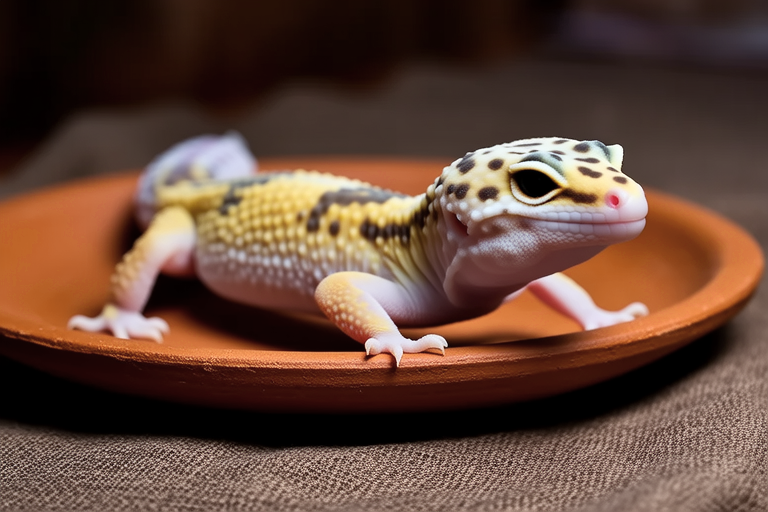
Leopard Gecko: The Ultimate Low-Maintenance Pet?
When it comes to choosing a pet, many people consider factors like time commitment, cost, and overall maintenance. One species that often stands out due to its minimal upkeep requirements is the leopard gecko. Known for their docile nature and relatively simple care needs, these reptiles have become increasingly popular among both novice and seasoned pet owners. This article delves into why leopard geckos are considered the ultimate low-maintenance pet, exploring their care requirements, diet, habitat setup, temperament, and common health issues.
Understanding Leopard Geckos
Eublepharis macularius, commonly known as the leopard gecko, is a small, ground-dwelling lizard native to the arid regions of Pakistan, Afghanistan, and parts of India. These geckos typically reach lengths between 7 to 11 inches and can live up to 20 years in captivity. Their distinctive appearance, characterized by their spotted skin and lack of adhesive toe pads (unlike most geckos), makes them visually appealing and easy to handle.
Leopard geckos are crepuscular, meaning they are most active during dawn and dusk. They spend much of their day resting in burrows or hiding spots, emerging at night to hunt for food. Understanding their natural behaviors helps in creating an appropriate environment for them.
Care Requirements
Maintaining a healthy leopard gecko involves meeting specific environmental and dietary needs. Below are some essential aspects of their care:
Habitat Setup
A proper enclosure is crucial for your gecko’s well-being. A 10-gallon tank is sufficient for one adult leopard gecko, though larger enclosures may be necessary if housing multiple individuals. The enclosure should include:
- Heat Gradient: Provide a temperature gradient ranging from 78°F (26°C) on the cooler side to 90°F (32°C) on the warmer side using under-tank heating pads.
- Hiding Spots: Offer several hiding spots made from cork bark, half logs, or plastic caves.
- Substrate: Use paper towels or reptile carpet for easier cleaning. Avoid sand, which poses choking hazards.
- UV Lighting: While not strictly necessary, a low-level UVB light can promote better calcium absorption.
Diet
Leopard geckos are insectivores, feeding primarily on crickets, mealworms, and wax worms. It’s important to dust feeder insects with calcium and vitamin D3 supplements before feeding them to your gecko. Feeding frequency depends on age; juveniles require daily feedings, while adults need meals every two to three days.
Temperament
Leopard geckos are generally calm and gentle, making them ideal for handling. Unlike some reptiles, they don’t bite unless severely stressed or provoked. Their docile nature also means they’re less likely to cause damage to household items.
Comparison with Other Pets
Compared to other popular pets such as dogs, cats, birds, or fish, leopard geckos offer several advantages:
- No need for walks: Unlike dogs, leopard geckos do not require regular exercise outside their enclosure.
- Quiet companions: Unlike birds or certain mammals, they do not vocalize loudly.
- Low space requirements: Their compact size means they fit well even in small apartments.
However, there are also some drawbacks:
- Less interactive: While they can be handled, they aren’t as responsive or playful as mammals.
- Specialized care: Owners must understand and meet specific environmental needs.
Pros and Cons from a New Owner’s Perspective
Pros:
- Easy to care for once setup is complete.
- Relatively inexpensive to maintain.
- Can be left alone for short periods without issue.
Cons:
- Initial setup costs can be high.
- Owners must commit to learning about proper husbandry.
- Handling requires patience and gentle approach.
Common Health Issues
Like all animals, leopard geckos can suffer from various health problems. Some common issues include:
- Metabolic Bone Disease (MBD): Caused by insufficient calcium intake or improper lighting, leading to weakened bones.
- Impaction: Occurs when substrate particles are ingested and block digestive tracts.
- Respiratory Infections: Can develop if temperatures drop too low or humidity levels rise excessively.
Regular veterinary checkups and maintaining optimal living conditions help prevent these issues.
Scientific Insights
Leopard geckos exhibit fascinating biological traits. For instance, they possess autotomy, the ability to shed their tails as a defense mechanism. Once lost, the tail regenerates over time but never fully regains its original appearance. Additionally, their eyesight is highly adapted for detecting movement in low-light conditions, aiding in hunting prey.
Where to Adopt or Purchase
Adopting a leopard gecko from a reputable breeder ensures you receive a healthy animal with known lineage. Look for breeders who provide detailed health records and offer support after purchase. Avoid purchasing from pet stores or online sellers without verification of the seller’s credentials.
Alternatively, consider adopting from shelters or rescue organizations. Many shelters have leopard geckos available for adoption, offering second chances to these wonderful creatures.
Conclusion
The leopard gecko truly earns its reputation as the ultimate low-maintenance pet. With straightforward care requirements, engaging personalities, and long lifespans, they make excellent companions for those looking to add a reptilian friend to their family. By understanding their unique needs and providing proper care, owners can enjoy years of rewarding interaction with these captivating lizards.
