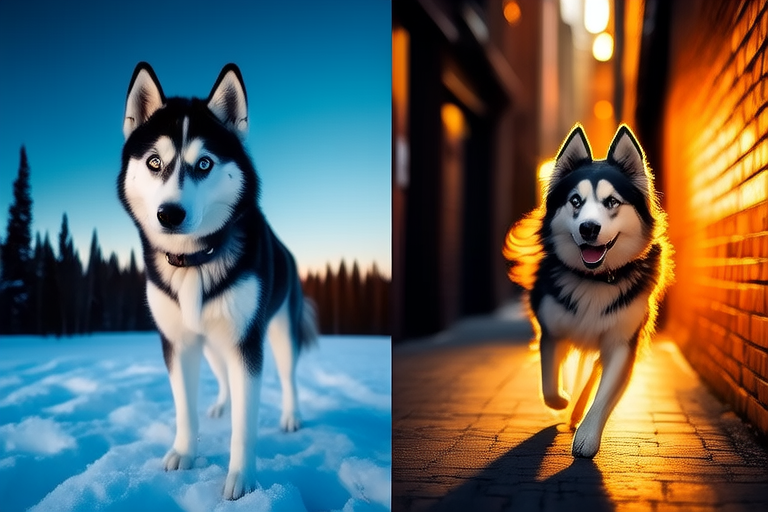
From Snowy Plains to City Streets: How Siberian Huskies Adapt and Thrive Everywhere
Siberian Huskies, with their striking blue eyes and thick, luxurious coats, are iconic symbols of endurance and loyalty. Originating from the snowy plains of Siberia, these dogs were originally bred by the Chukchi people, an indigenous group known for their nomadic lifestyle. The Chukchi people relied heavily on these dogs for sledding and companionship, tasks that demanded both physical prowess and mental resilience.
The Role of Siberian Huskies in Traditional Life
In the harsh Siberian environment, where temperatures can plummet to bone-chilling lows, the Siberian Husky was indispensable. They were used to pull sleds across vast, frozen landscapes, transporting goods and families over long distances. Their strength, speed, and endurance made them ideal for this role. Additionally, their friendly and sociable nature meant they became cherished family members, offering warmth and companionship in the cold nights.
Adaptation to Various Environments
Today, Siberian Huskies have found homes far beyond the snowy plains. Their adaptability is one of their most remarkable traits, enabling them to thrive in a wide range of climates and environments. This adaptability is largely due to their physical characteristics and behavioral traits.
Physical Traits
Siberian Huskies possess a double coat that provides excellent insulation against the cold. This coat is not only thick but also water-resistant, helping them stay dry and warm even in wet conditions. Their compact size, despite their powerful build, allows them to conserve heat efficiently. Moreover, their webbed feet are well-suited for running on snow and ice, providing traction and reducing the risk of slipping.
Resilience and Social Behaviors
These dogs are inherently resilient, capable of withstanding extreme weather conditions. Their social nature and pack instincts make them excellent companions, whether in a bustling city or a quiet suburban neighborhood. They enjoy the company of other dogs and humans, making them ideal candidates for families or individuals seeking a loyal and affectionate pet.
Energy Levels and Exercise Needs
Siberian Huskies are known for their high energy levels and require ample opportunities for physical activity. In their native environment, they would have spent much of their day pulling sleds. Today, it’s essential to provide them with regular exercise to prevent boredom and destructive behavior. Daily walks, runs, and play sessions are crucial for maintaining their physical health and mental well-being.
Dietary Considerations
Given their active lifestyle, Siberian Huskies have specific dietary needs. They require a diet rich in protein and fat to fuel their energy expenditure. High-quality dog food that meets their nutritional requirements is recommended. It’s important to monitor their weight and adjust their diet accordingly to prevent obesity, which can lead to health issues.
Training Tips for City Living
Training a Siberian Husky requires patience and consistency. These dogs are intelligent and can be independent at times, which means they may not always respond to commands immediately. Positive reinforcement techniques, such as treats and praise, work best. Early socialization is also crucial to ensure they become well-adjusted to the sights and sounds of city life.
Leash Training
Because of their strong prey drive, leash training is particularly important for city-dwelling Huskies. Teaching them to walk calmly on a leash helps manage their natural instinct to chase small animals. Consistent training from a young age can significantly reduce the likelihood of unwanted behavior.
House Training
House training can be challenging due to their independence, but it’s essential for living in an apartment or house. Establishing a consistent routine and rewarding good behavior can help. Crate training is often effective for house training, providing a safe space for the dog when unsupervised.
Anecdotes and Studies of Success in Urban Environments
Despite their origins in the frozen tundra, many Siberian Huskies have thrived in urban environments. For instance, the city of New York has seen several success stories. One notable example is a Husky named Luna, who became a local celebrity after participating in various charity events and community activities. Her owner credits her success to early training and consistent exercise.
Studies have shown that proper training and socialization can greatly enhance a Husky’s ability to adapt to city life. A study conducted by the American Kennel Club found that Siberian Huskies in urban areas tend to be happier and healthier when provided with adequate exercise and mental stimulation. This underscores the importance of creating a stimulating environment for these dogs.
Conclusion
From the icy plains of Siberia to the bustling streets of cities worldwide, Siberian Huskies continue to captivate and inspire. Their adaptability, resilience, and charming personalities make them beloved pets in diverse settings. Whether you’re a first-time owner or a seasoned dog enthusiast, adopting a Siberian Husky means embracing a partner in adventure and companionship. With the right care, training, and understanding, these dogs can thrive anywhere, proving once again that their enduring charm is truly timeless.
