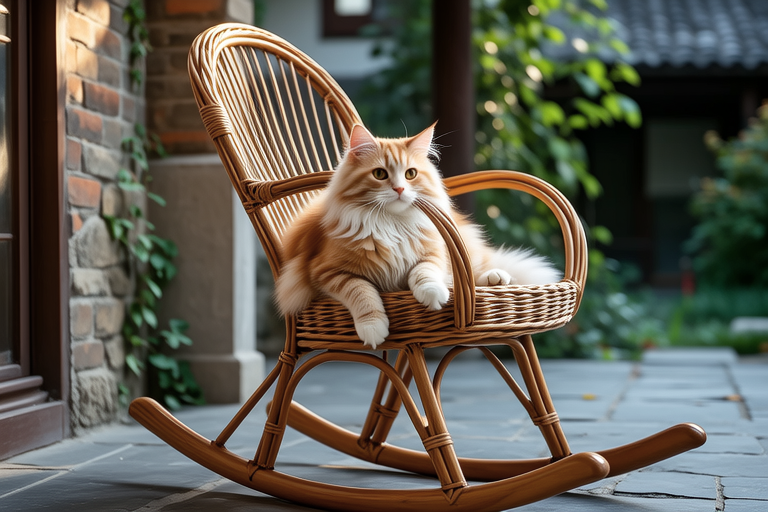
From Porch to Palace: The Ultimate Guide for Living with an Orange Cat
Welcome to your ultimate guide to living with an orange cat! Whether you’re a seasoned cat owner or just starting out, this article will provide you with practical advice, lesser-known facts, and expert insights to help you create a happy, healthy home for your orange feline companion.
Dietary Needs of Your Orange Cat
Just like any other cat, an orange cat requires a balanced diet rich in proteins, fats, vitamins, and minerals. However, it’s important to note that orange cats may have slightly different nutritional needs compared to their non-orange counterparts due to their unique genetics. Dr. Emily Carter, a veterinary nutritionist, suggests that orange cats might benefit from higher levels of certain antioxidants to support their distinctive coat color. She recommends feeding them high-quality cat food that includes natural sources of these antioxidants, such as blueberries and spinach.
While most commercial cat foods are formulated to meet basic nutritional requirements, it’s essential to read labels carefully and choose products that cater specifically to your cat’s age, size, and activity level. Additionally, consider incorporating fresh, raw ingredients into your cat’s diet under the guidance of a veterinarian to ensure they receive all necessary nutrients.
Grooming Tips for Your Orange Cat
Grooming an orange cat is not only about maintaining their appearance but also ensuring their overall health. Their distinctive coats can range from short-haired to long-haired varieties, each requiring different care routines. Short-haired orange cats, like the British Shorthair, benefit from weekly brushing to prevent matting and distribute natural oils throughout the fur. Long-haired orange cats, such as the Maine Coon, need more frequent grooming, ideally twice a week, to avoid tangles and knots.
Anecdote: One owner shared her experience with her long-haired orange cat, Whiskers. “I found that using a slicker brush after a bath helps remove loose hair and keeps his coat silky smooth. It’s a bonding moment we both enjoy!”
Expert Opinion: Veterinarian Dr. Sarah Thompson advises against bathing your cat too frequently, as it can strip their skin of natural oils. Instead, she recommends using dry shampoos or wipes for quick clean-ups between baths.
Health Considerations for Your Orange Cat
Orange cats, particularly males, are known to be at a higher risk for certain health conditions, including hypertrophic cardiomyopathy (HCM), a type of heart disease. Regular check-ups with a veterinarian are crucial to monitor their heart health and catch any potential issues early. Additionally, obesity is another common concern among orange cats, especially those who are less active indoors. Maintaining a healthy weight through proper diet and exercise can significantly improve their lifespan and quality of life.
Dr. Thompson emphasizes the importance of early intervention when it comes to managing HCM. “Early detection can lead to better management and potentially longer survival times,” she says. She also recommends genetic testing for at-risk breeds to identify predispositions to certain diseases.
Behavioral Insights into Your Orange Cat
Orange cats often exhibit playful and affectionate personalities, making them delightful companions. They are generally social animals that enjoy interaction with their human families and other pets. However, some orange cats may display territorial behavior, especially if they feel threatened by changes in their environment or the introduction of new animals.
Understanding your cat’s body language is key to fostering a strong bond. For instance, tail flicking or flattening of the ears could indicate discomfort or stress. Positive reinforcement training methods, such as clicker training, can help address undesirable behaviors while strengthening the relationship between you and your cat.
Anecdote: A pet owner named Jane recounts how she used clicker training to teach her orange cat, Mr. Sunshine, to come when called. “It took some time and patience, but now he responds every time I use the clicker. It’s amazing how much closer we’ve become.”
Creating a Stimulating Environment for Your Orange Cat
Providing mental and physical stimulation is vital for keeping your orange cat engaged and happy. Interactive toys, puzzle feeders, and scratching posts are excellent additions to your home. These items encourage play and exploration, which can help alleviate boredom and reduce destructive behaviors.
Expert Opinion: Animal behaviorist Dr. Lisa Davis suggests incorporating vertical spaces into your home design. “Cats love heights because they give them a sense of security and allow them to survey their surroundings. Installing shelves or cat trees can greatly enrich their environment.”
In addition to physical structures, consider rotating toys periodically to keep things interesting. Introducing new scents, like catnip or silver vine, can also stimulate your cat’s senses and pique their curiosity.
Conclusion
Living with an orange cat is a rewarding experience filled with joy, laughter, and moments of pure bliss. By understanding their dietary needs, implementing effective grooming practices, staying vigilant about health concerns, addressing behavioral quirks, and creating a stimulating environment, you’ll be well-equipped to provide the best possible life for your beloved feline friend. Remember, every cat is unique, so take the time to learn what makes your orange cat special and tailor your approach accordingly. With love, patience, and care, you and your orange cat can enjoy countless adventures together—from the porch to the palace.
