Parrot Fish: The Colorful Enigma of Coral Reefs Unveiled
The ocean is teeming with life, each species playing a unique role in maintaining the delicate balance of marine ecosystems. Among these, the parrot fish stands out as a vibrant and crucial inhabitant of coral reefs. With their striking colors and peculiar behaviors, they are more than just a pretty sight; they are essential to the health of coral reefs worldwide. This article delves into the fascinating world of parrot fish, exploring their colorful appearance, vital roles in reef ecosystems, unique feeding habits, life cycles, and the challenges they face.
A Splash of Color in the Ocean
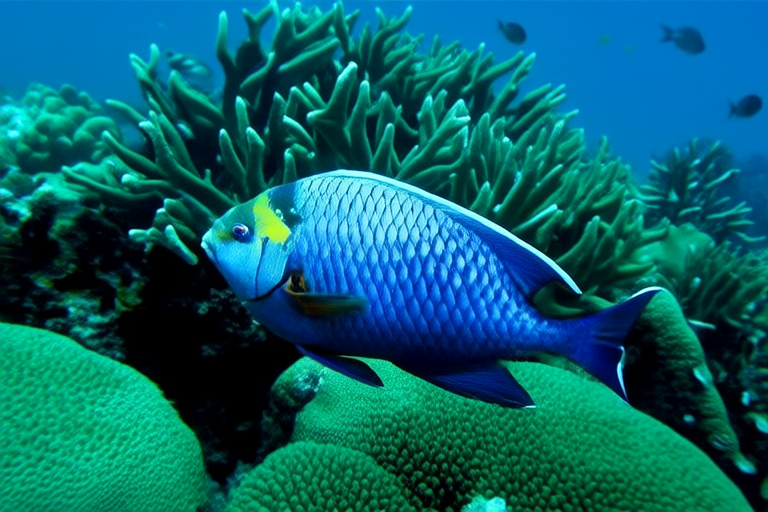
Parrot fish are known for their vivid and diverse color palettes, ranging from electric blues and greens to fiery oranges and yellows. These hues serve multiple purposes, from camouflage to attracting mates. Their bright colors are a visual feast for divers and snorkelers, making them one of the most sought-after creatures in the underwater world. The dazzling display of parrot fish is not merely aesthetic; it also plays a significant role in their survival strategies and social interactions.
Critical Role in Reef Health
Beyond their aesthetic appeal, parrot fish are indispensable to the health of coral reefs. They are herbivorous, feeding primarily on algae that can overgrow and smother corals if left unchecked. Through their grazing activities, they help maintain the balance between algae and coral growth, ensuring that the reef remains healthy and vibrant. Parrot fish use their beak-like mouths to scrape algae off rocks and coral surfaces, effectively acting as gardeners of the reef. This behavior not only prevents algal blooms but also promotes coral growth by providing space for new polyps to settle and thrive.
Unique Feeding Habits
The feeding habits of parrot fish are as unique as their appearance. Their beaks are adapted to grind up hard corals and calcified algae, which they then digest to extract nutrients. This process is crucial because it contributes to the production of sand on tropical beaches. As parrot fish digest the calcium carbonate found in coral skeletons and algae, they excrete fine particles that eventually form part of the sandy substrate on which many tropical islands are built. This symbiotic relationship between parrot fish and coral reefs highlights the intricate web of life within these ecosystems.
The Life Cycle of Parrot Fish
The life cycle of parrot fish is both fascinating and complex. Most species begin their lives as females, transitioning into males later in life. This phenomenon, known as protogynous hermaphroditism, ensures genetic diversity and population stability. Spawning typically occurs during specific times of the year when water temperatures are optimal. During this period, large groups of parrot fish gather to release eggs and sperm into the water column. The fertilized eggs float freely before hatching into larvae. These tiny, transparent creatures drift with ocean currents, eventually settling on suitable habitats where they continue to grow and develop.
As juveniles, parrot fish adopt protective colorations that help them blend into their surroundings, reducing predation risks. Over time, they undergo dramatic changes in appearance, developing the vibrant colors associated with adult parrot fish. This metamorphosis is a testament to the adaptability and resilience of these creatures, showcasing nature’s ingenuity in ensuring the survival of species.
Threats to Parrot Fish Populations
Despite their importance to reef health, parrot fish populations face numerous threats. Overfishing is a significant concern, driven by high demand for their meat and vibrant skins used in traditional crafts. Habitat destruction, caused by coastal development and climate change, further exacerbates the situation. Rising sea temperatures and ocean acidification pose additional challenges, affecting not only parrot fish but the entire reef ecosystem. The decline of parrot fish populations can lead to increased algal growth, threatening the survival of coral reefs and the myriad species that depend on them.
Broad Implications for Coral Reefs
The impact of declining parrot fish populations extends beyond the immediate threat to the fish themselves. Without adequate grazing, coral reefs become vulnerable to algal overgrowth, leading to reduced biodiversity and ecosystem degradation. Coral reefs support approximately 25% of all marine life, despite covering less than 1% of the ocean floor. The loss of these ecosystems would have far-reaching consequences for global fisheries, tourism industries, and coastal protection. Understanding the role of parrot fish in maintaining reef health is crucial for developing effective conservation strategies.
Conservation Efforts and Future Prospects
Recognizing the importance of parrot fish, various conservation efforts are underway to protect these vital species. Marine protected areas (MPAs) have been established to safeguard critical habitats and allow fish populations to recover. Sustainable fishing practices, such as catch limits and seasonal closures, are being implemented to prevent overexploitation. Additionally, public awareness campaigns aim to educate communities about the value of parrot fish and the need for responsible stewardship of marine resources.
Advances in technology and research are also contributing to our understanding of parrot fish and their role in reef ecosystems. Satellite imagery and remote sensing techniques provide valuable data on reef health and fish distributions. Genetic studies offer insights into the evolutionary history and adaptive capabilities of parrot fish, informing conservation strategies. By leveraging these tools, scientists and policymakers can work together to ensure the long-term survival of parrot fish and the reefs they call home.
In conclusion, parrot fish are more than just colorful inhabitants of coral reefs; they are key players in maintaining the ecological balance of these vital ecosystems. Their unique feeding habits, life cycles, and vibrant appearances make them a fascinating subject of study for marine biologists and conservationists alike. By understanding the challenges facing parrot fish and implementing effective conservation measures, we can help preserve these incredible creatures and the diverse marine environments they inhabit. Together, we can ensure that future generations will continue to marvel at the colorful enigma of parrot fish and the wonders of the ocean.
