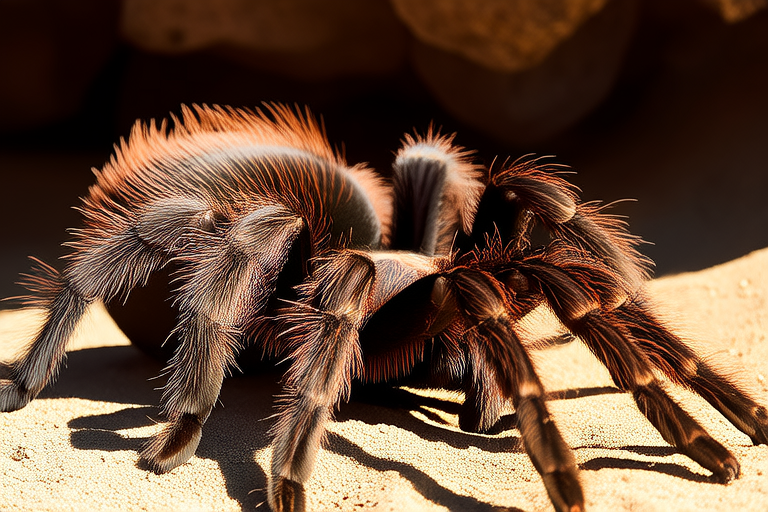
Unraveling the Mystique of the Chilean Rose Tarantula: A Beginner’s Guide
Welcome to the world of exotic pets! If you’re considering adding a unique and fascinating creature to your collection, the Chilean Rose Tarantula (Grammostola rosea) might just be the perfect choice. Known for its striking appearance and relatively easy care requirements, this tarantula has captivated the hearts of many pet owners. This guide will provide you with everything you need to know about this intriguing arachnid, from understanding its appearance and common misconceptions to expert care instructions and tips for maintaining its health.
Introduction to the Species
The Chilean Rose Tarantula, native to the deserts of South America, is one of the most popular pet tarantulas due to its manageable size and docile nature. Its body can reach up to 4 inches in length, with leg spans extending up to 6 inches. The tarantula’s name comes from its pinkish hue, which ranges from light to dark depending on the individual’s age and environment. Juveniles often appear darker, with a reddish tint, gradually transitioning to a more rose-colored appearance as they mature.
One common misconception about tarantulas is that they are aggressive and dangerous. In reality, Chilean Rose Tarantulas are quite docile and rarely bite unless provoked. Their primary defense mechanism is the release of urticating hairs from their abdomen, which can irritate the skin or eyes of predators. Another myth is that all tarantulas are venomous and deadly. While it’s true that they possess venom, it is generally mild and poses no significant threat to humans.
Care Instructions for Beginners
Habitat Setup
Creating a suitable habitat for your Chilean Rose Tarantula is crucial for its well-being. Start by selecting an appropriate enclosure; a 10-gallon tank is sufficient for a single adult. Ensure the enclosure has a secure lid to prevent escapes. The substrate should be at least 3-4 inches deep, providing ample room for burrowing. Coconut fiber or a mix of peat moss and vermiculite works well. Maintain humidity levels between 50% and 70%, and include a shallow water dish for hydration. Place a hide spot, like a small clay pot or cork bark, in one corner to give your tarantula a sense of security.
Temperature control is essential. Maintain a temperature range of 75-85°F during the day, with a slight drop at night. A heat mat placed under one side of the enclosure can help regulate temperature gradients, allowing your tarantula to thermoregulate.
Diet
Chilean Rose Tarantulas are carnivorous and require a varied diet to thrive. Feed them appropriately sized insects such as crickets, mealworms, and dubia roaches. Juveniles may eat smaller prey items more frequently, while adults can consume larger meals less often, typically once every week or two. Gut-load the feeder insects with nutritious food before feeding them to your tarantula to ensure optimal nutrition.
Handling Tips
Handling your tarantula should be approached with caution and respect. Always use a soft, flat tool like a popsicle stick or plastic spoon to gently coax your tarantula out of its enclosure. Avoid grabbing or pinching the tarantula, as this can cause stress and potential injury. Regular gentle interactions can help acclimate your tarantula to handling, but always prioritize its comfort and safety.
Tarantula Behavior and Temperament
Understanding your tarantula’s behavior is key to providing proper care. Chilean Rose Tarantulas are nocturnal and spend much of their time resting in their burrows during the day. They are generally calm and slow-moving, making them ideal for beginners. However, they can display defensive behaviors if threatened, such as rearing up or flicking urticating hairs.
Proper socialization and gentle handling can help reduce stress and promote a healthier, more relaxed pet. Regular observation of your tarantula’s behavior can also alert you to any signs of illness or discomfort.
Common Health Issues and Well-Being Maintenance
Like any pet, Chilean Rose Tarantulas can face health challenges. Common issues include dehydration, mites, and molting complications. Ensuring adequate hydration by providing a water dish and misting the enclosure occasionally can prevent dehydration. Regularly inspect your tarantula for signs of mites, such as tiny white spots on its body. Prompt treatment with safe, pet-friendly products is essential if mites are detected.
Molting is a natural process where the tarantula sheds its exoskeleton. During this time, it is vulnerable and should be left undisturbed. Providing a humid environment and ensuring the substrate remains moist can facilitate a smooth molt. After molting, your tarantula will have a new, soft exoskeleton and will need extra care until it hardens.
Sourcing a Healthy Tarantula
When acquiring a Chilean Rose Tarantula, it’s important to source from reputable breeders or pet stores. Look for healthy specimens with clear eyes, full abdomens, and no signs of injury or disease. A tarantula that is active and responsive to stimuli is a good indicator of overall health. Research the breeder or store’s practices to ensure ethical and responsible sourcing.
Resources for Further Learning
Becoming an expert in tarantula care requires ongoing education. Join online forums, subscribe to newsletters, and participate in local reptile expos to connect with other enthusiasts and learn from experienced keepers. Books and articles on tarantula care can also provide valuable insights and practical advice.
Whether you’re a novice or an experienced keeper, the Chilean Rose Tarantula offers a rewarding and fascinating addition to your collection. With the right care and attention, these beautiful creatures can thrive in their new home, bringing joy and wonder to your life.
