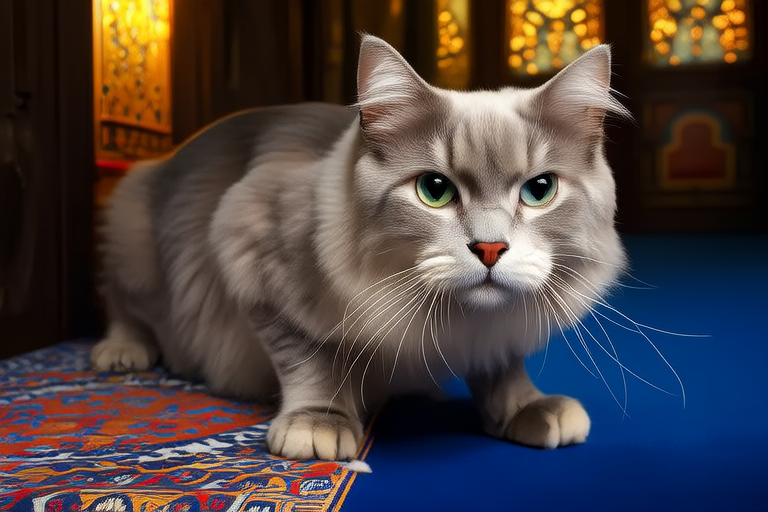
The Historical Journey of Turkish Angora Cats
Step into the enchanting world of Turkish Angora cats, a breed steeped in history and grace. These elegant felines have captivated human hearts for centuries, tracing their roots back to the grandeur of Ottoman palaces. Their journey from royal companions to beloved household pets is a tale of adaptation, migration, and enduring charm.
The Origins and Royal Status in Ottoman Palaces
The Turkish Angora, named after Ankara (formerly Angora), has been revered in Turkey since ancient times. In the opulent courts of the Ottoman Empire, these cats were more than just pets; they were symbols of luxury and refinement. The Ottoman sultans cherished them, keeping them as companions in their lavish palaces. The cats’ silky white coats and striking blue eyes made them stand out, and they were often presented as gifts to foreign dignitaries, further enhancing their reputation.
In Turkish folklore, the Angora cat holds a special place. Legends speak of their ability to predict the future, heal the sick, and protect their owners from harm. One such myth recounts a story where an Angora cat saved its owner from a deadly snake bite. Such tales underscore the mystical and sacred status these cats held within the community.
Transition to Modern Homes: Adaptation and Migration
The transition of the Turkish Angora from palace dwellers to household pets began with significant changes in societal norms and global interactions. As the Ottoman Empire expanded its influence, so did the reach of these cats. They started appearing in European households, particularly in France and England, thanks to diplomatic exchanges and trade routes.
A pivotal moment in the breed’s history was its recognition by the Cat Fanciers’ Association (CFA) in 1968. This formal acknowledgment marked the beginning of organized breeding programs outside of Turkey. American breeder Elizabeth Terrell played a crucial role in popularizing the breed. She introduced the first Angora cats to the United States, establishing a foundation for breeding that would ensure the preservation of the breed’s distinct traits.
Breed Characteristics and Global Popularity
The Turkish Angora’s appeal lies in its unique combination of elegance and playfulness. They are medium-sized cats with slender bodies and long, silky coats that shimmer like silk under the light. Their large, expressive blue eyes add to their ethereal appearance, though they can also have other eye colors including green, gold, and odd-eyed pairs.
These cats are known for their intelligence and curiosity. They are highly social, enjoying the company of humans and other animals alike. Their playful nature makes them excellent companions for families with children or other pets. Despite their gentle demeanor, Turkish Angoras are also independent thinkers, capable of entertaining themselves when necessary.
Current Status and Conservation Efforts
In contemporary society, Turkish Angoras continue to be cherished for their beauty and temperament. They are a popular choice among cat enthusiasts who appreciate their distinctive features and lively personalities. However, maintaining the breed’s purity remains a challenge due to crossbreeding with other cat species.
To preserve the integrity of the Turkish Angora lineage, various organizations and breeders have initiated conservation efforts. These include strict breeding guidelines and genetic testing to prevent health issues associated with inbreeding. Additionally, there are ongoing campaigns to raise awareness about the importance of responsible breeding practices.
The Turkish government has also taken steps to promote and protect the breed. In 2004, the Ankara Zoo established a breeding program aimed at safeguarding the original strain of Turkish Angora cats. This initiative not only helps conserve the breed but also contributes to tourism, attracting visitors interested in learning about these historic cats.
Conclusion
The Turkish Angora cat’s journey from the hallowed halls of Ottoman palaces to cozy modern homes is a testament to their enduring allure. Their legacy as royal companions and cultural icons continues to inspire admiration and fascination. As we look towards the future, it is essential to recognize the significance of conservation efforts in ensuring that this majestic breed remains a part of our world for generations to come.
