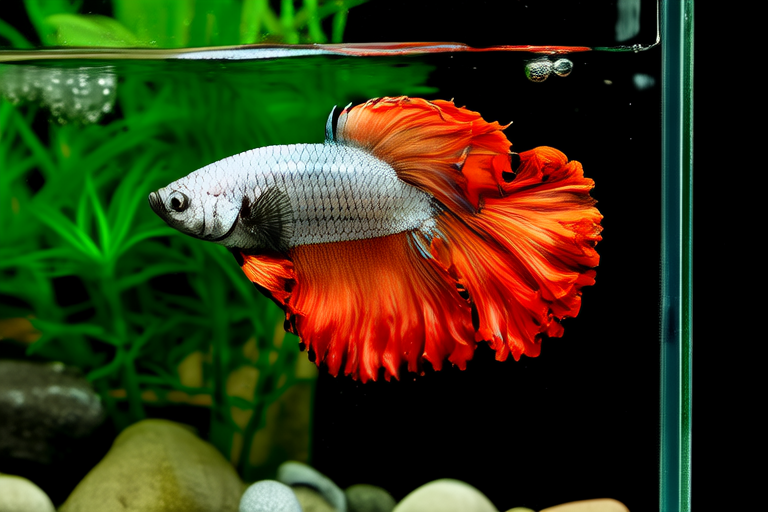
Beyond the Basics: Advanced Care Tips for Keeping Your Betta Happy
Welcome to the world of advanced betta care! If you’re already familiar with the basics of keeping a betta, such as maintaining clean water and providing a suitable tank, it’s time to take your betta’s well-being to the next level. This guide will delve into more sophisticated aspects of betta care, ensuring your fish remains vibrant and healthy.
Advanced Water Quality Management
Water quality is paramount for any aquatic life, but especially so for bettas. Beyond regular water changes, there are several advanced techniques that can significantly improve water quality:
- Water Filtration: A gentle filtration system helps maintain water clarity and reduces harmful substances like ammonia and nitrites. Choose a filter designed for small tanks, ensuring it does not create strong currents which can stress bettas.
- Biological Filtration: Introducing beneficial bacteria through biological media can help cycle the tank more effectively. These bacteria convert toxic ammonia into less harmful nitrites and nitrates.
- Regular Testing: Use a water testing kit to monitor pH, ammonia, nitrite, and nitrate levels. Ideal conditions for bettas include a pH between 6.8 and 7.4 and ammonia and nitrite levels at zero.
Optimal Tank Setup Beyond Basic Requirements
While a standard 2.5-gallon tank is often recommended, larger tanks provide more space and better water stability. Here’s how to optimize your betta’s living space:
- Tank Size: Consider upgrading to a 5-gallon tank or larger if possible. Larger volumes of water reduce the impact of waste products and temperature fluctuations.
- Decorative Elements: Provide hiding spots and visual barriers with caves, plants, and driftwood. These not only enrich the environment but also help reduce stress by giving the betta places to retreat.
- Lighting: Bettas enjoy a day-night cycle, so use a timer to regulate lighting. Avoid excessively bright lights as they can cause stress.
Dietary Enrichment for Bettas
A balanced diet is crucial for your betta’s health. Here’s how to ensure they receive all necessary nutrients:
- Variety: Feed your betta a mix of high-quality flakes, pellets, and occasional live or frozen foods like bloodworms and brine shrimp. This variety ensures a broad spectrum of nutrients.
- Frequency: Feed your betta twice daily, offering only what they can consume within a few minutes to prevent overfeeding and water pollution.
- Supplements: Some betta owners add vitamins or probiotics to their betta’s food to boost immunity and digestion.
Behavioral Understanding and Enrichment
Understanding your betta’s behavior can enhance their well-being and interaction:
- Observation: Regularly observe your betta’s swimming patterns, feeding habits, and interactions with tank decorations. This can help you identify any signs of discomfort or illness early.
- Interactive Toys: Consider adding interactive toys like floating balls or mirrors to stimulate your betta. These can encourage natural behaviors and reduce boredom.
- Social Interaction: While bettas are generally solitary, some may enjoy brief periods of social interaction. Introduce new stimuli carefully to avoid stress.
Common Health Issues and Preventive Measures
Prevention is key in maintaining your betta’s health:
- Fungal Infections: Often caused by poor water quality, fungal infections can be prevented by maintaining clean water and avoiding overcrowding. Treatments include antifungal medications.
- Fin Rot: This condition, characterized by frayed or discolored fins, is typically due to bacterial infection. Regular water changes and a healthy diet can prevent this.
- Ich (White Spot Disease): A parasitic infection that manifests as tiny white spots on the betta’s body. Quarantine affected fish and treat with appropriate medication.
Interactive Elements to Enhance the Fish’s Environment
Creating an engaging environment for your betta can greatly enhance its quality of life:
- Plants: Real or artificial plants offer hiding spots and help oxygenate the water. Choose non-toxic varieties like Java Fern or Anubias.
- Moving Objects: Floating toys or bubbles from a bubble wand can provide visual stimulation and encourage activity.
- Backgrounds: Adding a backdrop can give your betta a sense of territory and reduce stress from outside disturbances.
In conclusion, taking care of a betta goes beyond just providing food and water. By focusing on advanced water management, optimizing the tank setup, enriching the diet, understanding behaviors, preventing health issues, and enhancing the environment, you can ensure your betta lives a long, healthy, and happy life. Each aspect contributes to the overall well-being of your pet, making them thrive in their aquatic home.
