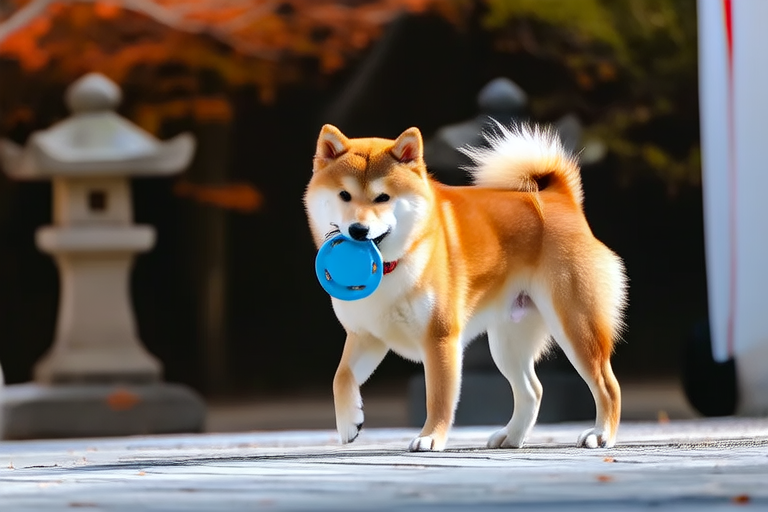
The Ultimate Guide to Training Your Mischievous Shiba Inu
Shiba Inus are known for their independent spirit and playful nature, making them both delightful and challenging companions. Understanding their unique temperament is crucial for effective training. This guide offers a comprehensive approach to training your Shiba Inu, covering everything from basic obedience to tackling common behavioral issues.
Understanding the Unique Temperament of Shiba Inus
Shiba Inus are descendants of ancient Japanese hunting dogs, bred for their keen senses and agility. They are intelligent, alert, and have a strong sense of self. These traits can sometimes lead to stubbornness or resistance to training. Recognizing these characteristics early on helps in setting realistic expectations and tailoring your training methods accordingly.
Basic Obedience Training
Training your Shiba Inu begins with basic commands such as ‘sit,’ ‘stay,’ ‘come,’ and ‘leave it.’ Consistency is key; always use the same command word for each action. Start with simple commands in a quiet environment where distractions are minimal. Use treats as rewards to encourage positive behavior. For instance, when teaching ‘sit,’ hold a treat above your dog’s head until they lower their bottom. Once they sit, immediately praise them and give the treat.
Tackling Common Behavioral Issues
Shiba Inus can exhibit behaviors like excessive barking, chewing, and digging. Excessive barking can be managed by identifying triggers and addressing them. If your Shiba Inu barks at every sound, try desensitization training, gradually exposing them to various noises without rewarding the barking.
Chewing and digging are natural behaviors but need redirection. Provide appropriate chew toys and bury treats in the yard to encourage digging in designated areas. Redirecting their energy through play and mental stimulation can significantly reduce these unwanted behaviors.
Implementing Positive Reinforcement Methods
Positive reinforcement is highly effective with Shiba Inus due to their sensitive nature. Reward good behavior with treats, praise, and affection. Avoid harsh corrections as they can lead to fear and aggression. Instead, focus on praising desired behaviors and ignoring undesired ones. For example, if your Shiba Inu jumps up, turn away and ignore them until they calm down. Then, reward them for sitting quietly.
Strategies for Socializing Your Shiba Inu
Socialization is essential for all dogs, especially Shiba Inus who may be wary of strangers. Start socializing your puppy early by introducing them to different people, animals, and environments. Gradually increase the complexity of these interactions. Always ensure that your Shiba Inu feels safe and comfortable during socialization. If they show signs of anxiety or discomfort, remove them from the situation and try again another day.
Real-World Advice from Experienced Dog Trainers
Experienced dog trainer, Sarah Johnson, emphasizes the importance of patience and consistency. “Training a Shiba Inu requires patience. They learn best through repetition and positive reinforcement. Be consistent with your commands and rewards. Celebrate small victories to keep both you and your dog motivated.”
Another trainer, Mark Thompson, advises on handling the breed’s independence. “Shiba Inus can be quite independent. It’s important to establish yourself as the leader in a gentle and respectful way. Use positive reinforcement to build trust and respect. Never resort to punishment, which can damage the bond between you and your dog.”
Advanced Training Techniques
Once your Shiba Inu has mastered basic commands, consider advanced training techniques such as agility training or scent work. These activities provide mental stimulation and physical exercise, helping to channel their energy positively. Agility training involves navigating obstacle courses, while scent work involves searching for hidden items. Both activities require patience and practice but can greatly enhance your Shiba Inu’s skills and confidence.
Maintaining Training Progress
Consistency is vital in maintaining training progress. Regularly review and practice commands to reinforce learning. Keep training sessions short and fun to maintain your Shiba Inu’s interest. Incorporating games and interactive toys into training can make the process enjoyable for both you and your dog.
Conclusion
Training your Shiba Inu is an ongoing journey that requires patience, understanding, and dedication. By understanding their unique temperament, employing effective training techniques, and using positive reinforcement, you can successfully train your Shiba Inu to be a well-behaved and happy companion. Remember, every Shiba Inu is different, so adapt your training methods to suit your individual dog’s needs and personality.
