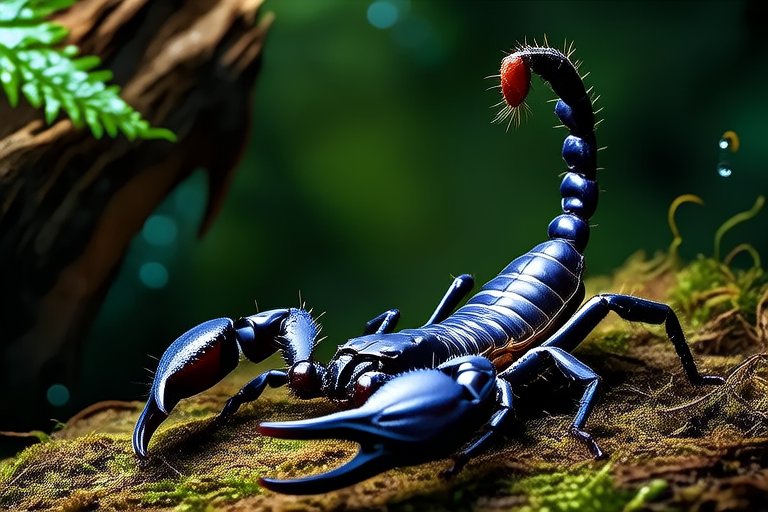
From Jungle Floors to Pet Tanks: Everything You Need to Know About Heterometrus Spinifer
Heterometrus spinifer, commonly known as the Indian ornamental scorpion, is a fascinating arachnid native to the lush jungles of Southeast Asia. This species has captured the hearts of many exotic pet enthusiasts due to its striking appearance and relatively docile nature. Once confined to the wild, Heterometrus spinifer has now become a popular choice among those who seek unique and captivating pets. This article will guide you through everything you need to know about this species, from its natural habitat to the essentials of responsible ownership.
Introduction: The Journey from Jungle to Home
Native to the dense rainforests of countries like India, Thailand, and Malaysia, Heterometrus spinifer thrives in humid environments characterized by high temperatures and abundant rainfall. These conditions provide ideal hiding spots and ample prey, essential for their survival. Over time, these scorpions have been introduced into the pet trade, making them accessible to hobbyists worldwide. Their popularity stems from their vibrant coloration, which ranges from dark brown to black, and their manageable size, typically reaching lengths of around 4 inches.
Physical Characteristics
Heterometrus spinifer is distinguished by its robust pincers and slender tail. The pincers, or pedipalps, are used for grasping prey and defense. The tail, equipped with a venomous stinger, is used primarily for hunting and self-defense. Their body is segmented, allowing for flexibility and agility. Male and female scorpions can be differentiated by their pedipalps; males have longer and more slender pincers compared to females. Additionally, females tend to be slightly larger than males.
Behavior
These scorpions are nocturnal creatures, active during the night and resting during the day. They are generally solitary and prefer to avoid confrontation. In the wild, they dig burrows or find shelter under rocks and logs. As pets, they require minimal interaction but thrive in environments that mimic their natural habitats. They are not aggressive unless provoked, making them suitable for handling by experienced owners.
Diet
The diet of Heterometrus spinifer consists mainly of insects such as crickets, mealworms, and roaches. Juvenile scorpions can be fed smaller insects like fruit flies or pinhead crickets. It’s important to ensure that the prey items are appropriately sized to prevent overfeeding or digestive issues. A varied diet helps maintain their health and ensures they receive all necessary nutrients. Feeding frequency depends on the age and size of the scorpion, usually once every two weeks for adults and more frequently for juveniles.
Housing Requirements
Creating an appropriate habitat for Heterometrus spinifer is crucial for their well-being. A terrarium of at least 10 gallons is recommended for a single adult scorpion. The enclosure should be well-ventilated to prevent condensation buildup while maintaining humidity levels between 70% and 90%. Substrate options include coconut fiber, bark chips, or soil, which should be kept moist to simulate their natural environment. Providing hiding spots, such as cork bark or half logs, is essential for their comfort and security.
Care Tips for Owners
Maintaining a clean and stable environment is key to keeping your scorpion healthy. Regular cleaning of the enclosure, including removing uneaten food and waste, prevents bacterial growth and keeps the air fresh. Temperature control is also vital, with daytime temperatures ranging from 80 to 90 degrees Fahrenheit and nighttime temperatures dropping slightly. Proper lighting is not necessary, as these scorpions are nocturnal, but a heat lamp may be used to regulate temperature.
Common Health Issues and Prevention
One of the most common health issues faced by Heterometrus spinifer is dehydration, which can lead to lethargy and poor appetite. Ensuring proper hydration through misting and providing a shallow water dish can help prevent this. Another issue is moulting complications, which can occur if the substrate is too dry. Keeping the substrate moist and monitoring the scorpion closely during moulting periods can reduce risks. Additionally, handling with care and avoiding sudden temperature changes can minimize stress-related illnesses.
Advice on Responsible Ownership
Owning a Heterometrus spinifer requires commitment and responsibility. Beginners should research thoroughly before purchasing and consider starting with simpler pets. Handling should be done carefully to avoid injury to both the owner and the scorpion. It’s also important to understand local regulations regarding exotic pets and obtain necessary permits if required. Engaging with local reptile clubs or online forums can provide valuable support and information for new and experienced owners alike.
Where to Learn More
For enthusiasts looking to deepen their knowledge about Heterometrus spinifer, there are numerous resources available. Books, scientific journals, and online communities dedicated to exotic pets offer detailed insights into breeding, behavior, and care. Attending local reptile expos or workshops can also provide hands-on learning opportunities and networking with fellow enthusiasts.
