Everything You Need to Know Before Getting a Red-eared Slider as a Pet
Introduction
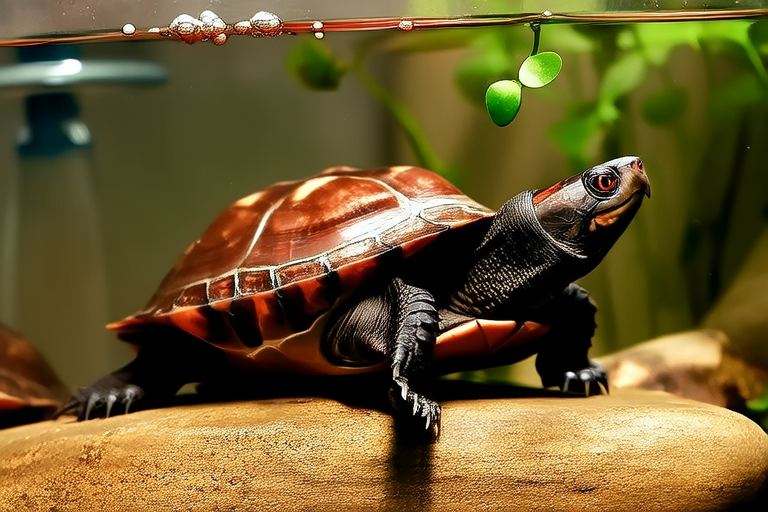
The red-eared slider (Trachemys scripta elegans) is one of the most popular pet turtle species in the world. Known for its distinctive red markings behind each eye, this semi-aquatic turtle is native to the southern United States but can now be found in various parts of the globe due to the pet trade. Before bringing home a red-eared slider, it’s crucial to understand the responsibilities that come with caring for these fascinating creatures. This guide will cover everything you need to know about housing, feeding, and maintaining the health of your red-eared slider.
Habitat Requirements
Red-eared sliders require spacious enclosures that mimic their natural environment. A 40-gallon tank is suitable for a single adult; however, larger tanks or outdoor ponds may be necessary if you plan to house multiple turtles or provide ample space for growth. The enclosure should have both aquatic and basking areas. Use a powerful filtration system to maintain water quality, and ensure that there is a secure basking area with UVB lighting to promote proper shell and bone development.
Dietary Needs
A balanced diet is essential for the health of your red-eared slider. Their diet should consist of a variety of commercial turtle pellets, fresh vegetables (such as romaine lettuce, kale, and carrots), occasional fruits, and protein sources like earthworms or feeder fish. Avoid overfeeding, as obesity can lead to serious health problems. Feed your turtle daily or every other day, depending on its age and activity level.
Expected Lifespan
With proper care, red-eared sliders can live up to 30 years or more. Factors such as genetics, diet, and living conditions play significant roles in determining their longevity. Providing optimal care ensures they reach their full potential lifespan.
Common Health Issues
Like any pet, red-eared sliders are susceptible to certain health issues. Metabolic bone disease (MBD) is a prevalent condition caused by calcium deficiency or insufficient exposure to UVB light. Symptoms include soft shells, lethargy, and difficulty moving. Respiratory infections can also occur, especially in poorly maintained environments. Regular veterinary checkups and prompt treatment are vital for addressing these issues early.
Legal Considerations
In many countries, there are restrictions on keeping red-eared sliders as pets. Some regions prohibit their ownership altogether due to concerns about invasive species. Always research local laws before purchasing a red-eared slider to avoid legal complications.
Care Tips
- Water Quality: Regularly clean the tank and change the water to prevent bacterial growth.
- Basking Area: Ensure the basking area is dry and provides enough heat for thermoregulation.
- UVB Lighting: Replace UVB bulbs every six months to maintain effectiveness.
- Temperature Control: Maintain water temperatures between 75-80°F (24-27°C) and basking spot temperatures around 90°F (32°C).
Handling Safety
Red-eared sliders have sharp claws and strong jaws, so handling them requires caution. Support their entire body when lifting them out of the water, and avoid grabbing them by the limbs or tail. Wash your hands before and after handling to prevent the spread of bacteria.
Choosing the Right Tank Size and Equipment
For a single adult red-eared slider, a 40-gallon tank is adequate. However, larger tanks or outdoor ponds offer more space for swimming and exploration. Essential equipment includes a powerful filter, UVB light, basking platform, and thermometer/hydrometer for monitoring temperature and water quality.
Commitment Required for Long-Term Care
Owning a red-eared slider is a long-term commitment. These turtles grow rapidly during their first few years and can reach sizes requiring substantial living spaces. Be prepared for regular maintenance tasks, including cleaning, feeding, and monitoring health. Additionally, consider the emotional impact of outliving your pet, as these turtles often exceed human lifespans.
Social Behavior
Red-eared sliders are generally solitary animals and do not require companionship from other turtles. They are active swimmers but spend much time basking under lights. While they may interact with humans, they are not affectionate pets like dogs or cats. Instead, they respond to consistent routines and positive reinforcement.
By understanding the unique needs of red-eared sliders and committing to their care, you can enjoy a rewarding relationship with these captivating reptiles. With the right setup and attention, your turtle will thrive in its new home.
