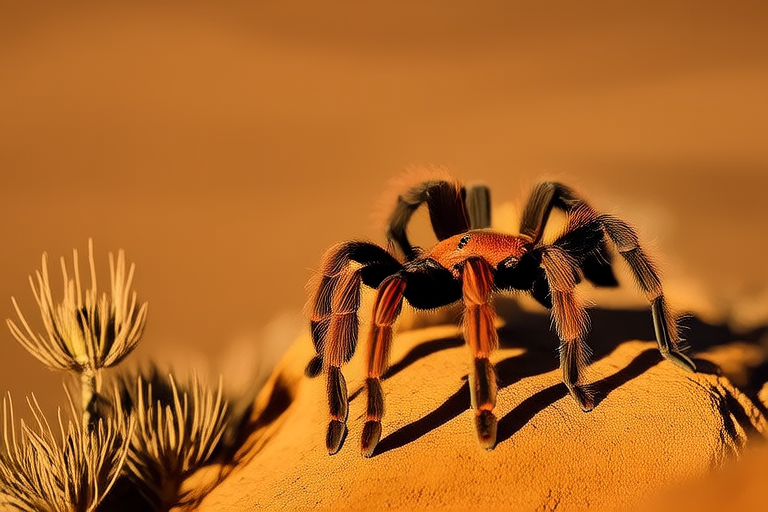
Chilean Rose Tarantulas: Gentle Giants of the Arachnid World
The world of arachnids is vast and varied, filled with creatures that can inspire awe, fear, and fascination. Among these, the Chilean Rose Tarantula stands out as one of the most captivating species, renowned for its calm demeanor and gentle nature. This article delves into the unique characteristics of this spider, exploring its appearance, habitat, behavior, and the therapeutic benefits it offers to those who interact with it.
Appearance: A Beauty in Its Own Right
The Chilean Rose Tarantula, scientifically known as Grammostola rosea, is a medium-sized tarantula with a body length ranging from 2.5 to 3.5 inches (6 to 9 cm). Its name comes from the rose-pink hue it develops after its first molt, which contrasts beautifully against its dark brown legs. As they mature, these spiders often develop a more reddish coloration on their abdomen, further enhancing their striking appearance.
One of the most remarkable features of the Chilean Rose Tarantula is its dense, velvety fur. This fur serves multiple purposes: it provides camouflage, helps regulate body temperature, and acts as a sensory organ. The hairs on the spider’s abdomen, known as urticating hairs, can be flicked off when threatened, causing irritation to predators. However, these hairs are not harmful to humans, making the Chilean Rose Tarantula a safe and enjoyable pet for many enthusiasts.
Habitat: Adaptable and Resilient
Native to the deserts and scrublands of Chile, Argentina, and Bolivia, the Chilean Rose Tarantula has adapted to thrive in harsh environments. These spiders are primarily ground-dwelling, often found burrowing into the soil to create their homes. They prefer areas with loose, sandy soil where they can easily dig and maintain their burrows.
In captivity, Chilean Rose Tarantulas require a similarly dry and warm environment. A terrarium with appropriate substrate, such as coconut fiber or sand, is essential for their well-being. Providing hiding spots and maintaining a temperature range between 75°F and 85°F (24°C to 29°C) ensures that these spiders remain comfortable and healthy. Humidity levels should be kept low, around 40%, to mimic their natural habitat.
Behavior: Gentle and Calming
Contrary to popular belief, Chilean Rose Tarantulas are not aggressive creatures. They are generally slow-moving and prefer to avoid confrontation. When threatened, they may rear up and display their fangs, but this is typically a defensive posture rather than an offensive action. Their calm demeanor makes them ideal pets for those looking for a low-maintenance, peaceful companion.
Experts suggest that the gentle nature of Chilean Rose Tarantulas stems from their evolutionary history. Living in arid regions with few natural predators, these spiders have developed a strategy of avoidance rather than confrontation. This behavior translates well into captivity, where they are often seen as docile and easy to handle.
Care Requirements: Simple and Rewarding
For those interested in keeping a Chilean Rose Tarantula as a pet, understanding their care needs is crucial. These spiders are relatively simple to care for, requiring minimal attention compared to other pets. A well-maintained terrarium, regular feeding, and occasional cleaning are all that is needed to ensure their health and happiness.
Diet-wise, Chilean Rose Tarantulas are carnivorous, feeding on insects such as crickets, mealworms, and dubia roaches. It is important to gut-load these feeder insects with nutritious food before offering them to the spider. Feeding frequency depends on the age and size of the spider, but generally, they should be fed once every week to ten days.
Handling your Chilean Rose Tarantula should be done carefully and infrequently. While they are generally tolerant of being held, excessive handling can cause stress and potential injury. Always wash your hands before and after handling to prevent the transfer of oils and chemicals that could harm the spider.
Myths Surrounding Tarantulas
Tarantulas have long been misunderstood, often portrayed in media as dangerous and aggressive creatures. One common myth is that all tarantulas are venomous and deadly to humans. While it is true that tarantulas possess venom, their bites are generally no more harmful than a bee sting. In fact, the venom of the Chilean Rose Tarantula is primarily used to subdue prey and is not potent enough to pose a significant threat to humans.
Another misconception is that tarantulas are solitary and antisocial. While it is true that they do not form social colonies like ants or bees, they can exhibit behaviors that suggest some level of social interaction. For instance, male tarantulas have been observed engaging in complex courtship dances to attract females.
Therapeutic Benefits: A Source of Comfort
Research has shown that interacting with animals, including tarantulas, can have therapeutic benefits for humans. Studies conducted by the American Psychological Association have demonstrated that petting or observing animals can reduce stress levels, lower blood pressure, and improve mood. These effects are thought to be due to the release of oxytocin, often referred to as the “bonding hormone,” which promotes feelings of relaxation and well-being.
Chilean Rose Tarantulas, with their calm and gentle nature, are particularly well-suited for therapeutic settings. Their presence has been shown to provide comfort to individuals dealing with anxiety, depression, and other mental health challenges. For example, a study published in the Journal of Alternative and Complementary Medicine found that patients who spent time with Chilean Rose Tarantulas reported reduced symptoms of anxiety and improved overall emotional well-being.
Moreover, the act of caring for a Chilean Rose Tarantula can instill a sense of responsibility and purpose. Regular feeding, cleaning, and monitoring their health can provide a routine that is beneficial for individuals struggling with mental health issues. The predictable and manageable nature of their care requirements makes them an excellent choice for those seeking a low-stress pet.
Conclusion: A Gentle Companion
The Chilean Rose Tarantula is a fascinating creature, combining beauty, adaptability, and a gentle nature that sets it apart from other spiders. Whether in the wild or in captivity, these spiders offer a calming presence that can bring joy and comfort to those who interact with them. With proper care and understanding, they can be rewarding companions for pet enthusiasts and casual observers alike.
As we continue to learn more about the therapeutic benefits of animal interactions, it is clear that the Chilean Rose Tarantula has much to offer. By dispelling myths and embracing the reality of these gentle giants, we can foster a deeper appreciation for these amazing creatures and the positive impact they can have on our lives.
