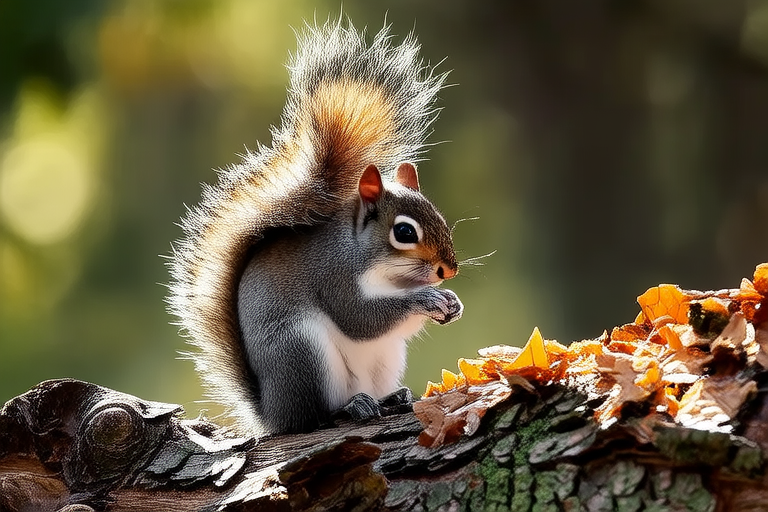
Squirrels 101: Everything You Need to Know Before Adopting One
Welcome to Squirrels 101, your comprehensive guide to understanding these charming and energetic creatures before you decide to adopt one. Squirrels are known for their bushy tails, sharp claws, and acrobatic abilities, making them a popular choice among exotic pet enthusiasts. However, it’s essential to recognize that they have specific needs and characteristics that set them apart from more traditional pets like dogs or cats. This guide will cover everything from their unique qualities and dietary requirements to housing, exercise, and health considerations.
Suitable Species for Domestication
Not all squirrel species are equally suited for life as a domesticated pet. The most commonly kept squirrel species include the American Eastern Grey, Western Grey, and Fox Squirrel. These species tend to be more adaptable to human interaction and can thrive in a home environment. Each has its own distinct traits; for example, Eastern Greys are known for their intelligence and social nature, while Western Greys are more laid-back and less prone to stress.
Dietary Requirements
Proper nutrition is crucial for maintaining a healthy squirrel. Their diet primarily consists of nuts, seeds, fruits, and vegetables. It’s important to provide a balanced mix to ensure they receive all necessary nutrients. Commercially available squirrel food mixes are a good starting point, but supplementing with fresh produce can enhance their diet. Always avoid feeding chocolate, caffeine, or avocado, as these can be toxic to squirrels.
Housing Needs
Adequate space is vital for a squirrel’s well-being. They require a cage large enough to allow for climbing and exploration. The cage should be at least four times the size of the squirrel when fully extended. Additionally, providing branches, tunnels, and toys encourages mental stimulation and physical activity. A secure outdoor enclosure, if possible, allows for natural behaviors such as digging and foraging.
Exercise Requirements
Squirrels are highly active animals, requiring plenty of exercise to maintain their health and happiness. Daily playtime outside of the cage is recommended, allowing them to run, climb, and explore. Interactive toys, such as puzzle feeders and chewable items, also help keep them mentally stimulated.
Common Health Issues
Like any pet, squirrels can face various health challenges. Common issues include dental problems, respiratory infections, and parasites. Regular veterinary check-ups are essential for early detection and treatment of these conditions. It’s also important to keep their living area clean to prevent the spread of disease.
Legal Considerations and Permits
Before adopting a squirrel, it’s crucial to research local laws and regulations regarding exotic pets. Some regions may prohibit or restrict ownership due to concerns about public safety or conservation. In other areas, obtaining a permit might be necessary. Always consult local authorities or a reputable breeder to understand the specific requirements in your area.
Handling and Training Tips
Building trust with your squirrel takes time and patience. Start by offering treats and gentle handling. Gradually increase the duration and frequency of interactions to establish a bond. Training can involve teaching simple commands or tricks, which not only strengthens the relationship but also provides mental stimulation. Consistency and positive reinforcement are key to successful training.
Where to Adopt a Squirrel
Adopting a squirrel from a rescue organization or a reputable breeder is often the best option. These sources ensure that the animal comes from a safe and ethical background. Rescue organizations also offer support and guidance for new owners, helping to ease the transition into pet ownership.
Ongoing Care and Support
Owning a squirrel is a long-term commitment that requires ongoing care and support. Joining online communities or forums dedicated to squirrel owners can provide valuable advice and camaraderie. Local exotic pet stores or veterinarians specializing in small mammals can also be excellent resources for supplies and medical care.
