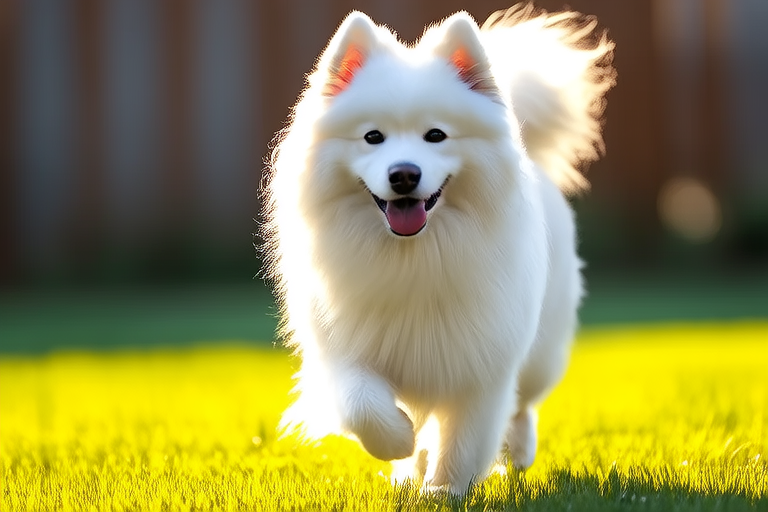
The Ultimate Guide to Keeping Your Samoyed Happy and Healthy
Welcome to your comprehensive guide on ensuring your Samoyed lives a long, happy, and healthy life. Samoyeds are known for their fluffy white coats, cheerful dispositions, and high energy levels. Proper care requires attention to their unique dietary needs, exercise routines, grooming practices, health maintenance, socialization, and mental stimulation. This guide will cover all these aspects to help you provide the best care for your beloved Samoyed.
Proper Nutrition Tailored for Samoyeds
Feeding your Samoyed the right diet is crucial for their overall health and well-being. Samoyeds are medium to large-sized dogs with specific nutritional requirements. A balanced diet should include proteins, fats, carbohydrates, vitamins, and minerals.
Protein: High-quality protein sources such as chicken, turkey, lamb, or fish should be the main ingredient in your Samoyed’s food. Protein helps build and repair muscles and tissues.
Fats: Fats are essential for providing energy and maintaining healthy skin and coat. However, it’s important to avoid overfeeding fats to prevent obesity. Look for foods containing healthy fats like omega-3 and omega-6 fatty acids.
Carbohydrates: Carbohydrates provide additional energy. Choose complex carbohydrates like sweet potatoes, brown rice, or whole grains, which are easier for dogs to digest.
Consult with your veterinarian to determine the appropriate amount of food based on your Samoyed’s age, weight, activity level, and health condition. Avoid feeding table scraps or human food, as they can lead to obesity and other health problems. Always provide fresh water, and consider adding a multivitamin supplement if recommended by your vet.
Essential Exercise Routines
Samoyeds are active dogs that require regular exercise to maintain their physical and mental health. Without adequate exercise, they may become restless, destructive, or overweight. Aim for at least one hour of daily exercise, including walks, runs, and playtime.
Walking and Running: Daily walks are essential for your Samoyed’s mental and physical well-being. Start with short walks and gradually increase the distance as your dog gets used to the routine. For more energetic dogs, incorporate running sessions. Always check the weather conditions before taking your Samoyed out, as extreme temperatures can be harmful.
Playtime: Interactive play sessions are great for burning off excess energy. Fetch, tug-of-war, and frisbee are popular games that Samoyeds enjoy. Consider joining an agility class or training for obedience competitions to keep your Samoyed mentally stimulated.
Remember to provide a safe environment for your Samoyed during exercise. Avoid areas with heavy traffic, and always supervise your dog when playing outside. Regular exercise also helps strengthen the bond between you and your Samoyed.
Grooming Tips
Grooming is an essential part of keeping your Samoyed happy and healthy. Their thick double coat requires regular brushing and bathing to prevent matting and skin infections.
Bathing: Bathe your Samoyed every two to three months, depending on their activity level and environment. Use a mild shampoo designed for dogs, and avoid getting water in their ears. After bathing, thoroughly dry them with a towel and use a blow dryer set on low heat.
Brushing: Brush your Samoyed’s coat at least twice a week to remove loose hair and prevent matting. Use a slicker brush and a pin brush for best results. During shedding season (spring and fall), daily brushing may be necessary to manage the large amount of fur they lose.
Nail Trimming: Trim your Samoyed’s nails every few weeks to prevent overgrowth. Use a nail clipper designed for dogs, and avoid cutting the quick, which can cause bleeding and pain. If unsure about trimming, consult a professional groomer.
Toothbrushing: Dental hygiene is vital for preventing gum disease and bad breath. Brush your Samoyed’s teeth at least twice a week using a toothbrush and toothpaste specifically made for dogs. Alternatively, offer dental chews and toys that promote good oral health.
Common Health Issues and Preventive Care
Samoyeds are generally healthy dogs, but they are prone to certain genetic health issues. Early detection and prevention can significantly improve their quality of life.
Health Issues: Common health issues in Samoyeds include hip dysplasia, hypothyroidism, progressive retinal atrophy, and cataracts. Regular veterinary check-ups can help identify these conditions early.
Preventive Care: Schedule annual veterinary visits for vaccinations, parasite control, and dental cleanings. Maintain a record of your Samoyed’s medical history and share it with any new veterinarians. Consider pet insurance to cover unexpected medical expenses.
Vaccinations protect against diseases like distemper, parvovirus, and rabies. Parasite control includes flea, tick, and heartworm prevention. Follow your veterinarian’s recommendations regarding the type and frequency of treatments.
Socialization Needs
Socialization is crucial for Samoyeds to develop into well-rounded, confident, and friendly dogs. Expose your Samoyed to various people, animals, environments, and experiences from an early age.
Puppy Classes: Enroll your Samoyed in puppy classes to learn basic commands and interact with other puppies and humans. These classes also provide valuable training opportunities.
Positive Reinforcement: Use positive reinforcement techniques, such as treats and praise, to encourage good behavior. Avoid harsh punishments, as they can lead to fear and aggression.
Regular Interaction: Spend time with your Samoyed daily, engaging in activities they enjoy. This helps strengthen the bond between you and your dog, making them feel secure and loved.
Mental Stimulation Activities
Providing mental stimulation is just as important as physical exercise for your Samoyed. Boredom can lead to destructive behaviors and stress. Engage your Samoyed in activities that challenge their mind and keep them entertained.
Interactive Toys: Puzzle toys and treat-dispensing toys encourage problem-solving and reward-based learning. Rotate toys periodically to keep things interesting.
Training Sessions: Teach your Samoyed new tricks or commands during short, frequent training sessions. Use positive reinforcement to motivate them. Training also helps build trust and communication between you and your dog.
Environmental Enrichment: Create an enriching environment by rotating toys, providing different types of surfaces for them to walk on, and offering hiding spots for exploration. Environmental enrichment can stimulate your Samoyed’s senses and curiosity.
By following the advice in this guide, you can ensure your Samoyed leads a long, happy, and healthy life. Remember, each dog is unique, so tailor your care approach to meet your Samoyed’s individual needs. Stay informed about advancements in canine health and training, and always consult with your veterinarian when needed.
