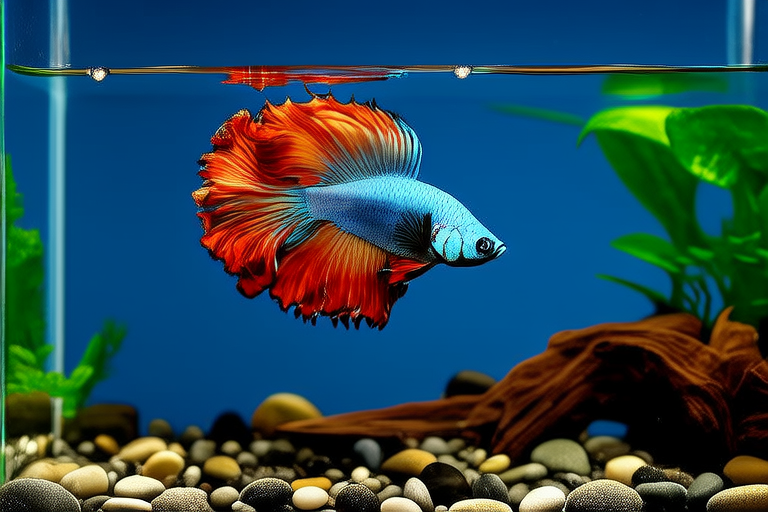
Betta Bliss: How to Create the Perfect Habitat for Your Colorful Friend
Welcome to the fascinating world of bettas! Known for their vibrant colors and flowing fins, these fish are a delightful addition to any aquarium. However, behind their striking appearance lies a set of unique care requirements that ensure they thrive in their aquatic homes. This guide will walk you through creating the perfect habitat for your colorful friend, from setting up the tank to daily care routines.
Understanding Betta Fish
Betta fish, also known as Siamese fighting fish, have long been cherished for their dazzling hues and elegant fins. Originating from the Mekong Delta in Southeast Asia, these freshwater fish are often found in rice paddies, shallow ponds, and slow-moving streams. In captivity, they can live up to three years, making them a rewarding pet for both beginners and experienced aquarists. Their distinctive personalities and interactive behaviors make them a joy to watch and care for.
Choosing the Right Tank Size
The first step in providing your betta with a thriving environment is selecting an appropriate tank size. Contrary to popular belief, bettas do not require small bowls; they actually prefer larger tanks that allow them to swim freely. A minimum of 2.5 gallons is recommended, but a 5-gallon tank or larger is ideal. The larger the space, the more room there is for filtration, decorations, and water quality maintenance. Always avoid overcrowding by keeping one betta per tank.
Water Parameters
Temperature
Maintaining the right temperature is crucial for your betta’s health. These tropical fish prefer warm waters between 76°F and 82°F (24°C and 28°C). Use a reliable aquarium heater to keep the temperature stable and invest in a thermometer to monitor it regularly. Sudden temperature fluctuations can cause stress and illness.
pH Levels
Bettas thrive in slightly acidic to neutral water with a pH range of 6.5 to 7.5. It’s important to test the water regularly using a pH kit and adjust accordingly. Avoid extreme pH levels, as they can lead to health problems.
Water Hardness
Optimal water hardness for bettas ranges from 5 to 19 dGH. Soft water can be achieved by using distilled water or adding reverse osmosis water. Conversely, hard water can be softened by adding peat moss or driftwood. Regular water changes are necessary to maintain the correct water hardness.
Filtration and Water Quality
A proper filtration system is essential for removing waste, excess food, and toxins from the water. Choose a filter that suits the tank size, ensuring it provides gentle circulation without overwhelming the betta. Consider sponge filters, which are gentle and easy to clean, or hang-on-back filters for larger tanks. Perform weekly water changes of about 25% to keep the water fresh and clean.
Decor and Hiding Spots
Incorporating decor not only enhances the aesthetic appeal of the tank but also provides essential hiding spots for your betta. Opt for non-toxic plants like java ferns and anubias, which are sturdy and safe for bettas to nibble on. Driftwood and caves offer cozy hideaways, helping to reduce stress and promote natural behavior. Be cautious with decorations that may have sharp edges or chemicals, as they can harm your betta.
Feeding Your Betta
Proper nutrition is key to maintaining your betta’s health and vitality. Betta fish are carnivorous and require a balanced diet rich in protein. Feed them high-quality betta pellets or flakes twice daily, offering no more than what they can consume within two minutes. Supplement their diet with occasional treats like frozen bloodworms or brine shrimp. Overfeeding can lead to obesity and poor water quality, so moderation is key.
Common Health Issues and Prevention
Despite their resilience, bettas can fall prey to various health issues if not cared for properly. Common ailments include fin rot, ich, and swim bladder disorder. Fin rot manifests as frayed or discolored fins and can be prevented by maintaining pristine water conditions. Ich appears as tiny white spots on the body and can be treated with medications available at pet stores. Swim bladder disorder, characterized by difficulty swimming upright, is often caused by overfeeding and can be managed by adjusting the diet.
Bonding with Your Betta
Building a connection with your betta can be a rewarding experience. Spend time observing their behavior and movements, as they often respond to your presence. Gently place your hand near the tank to encourage them to come closer. Some bettas even learn to recognize their caretakers and may become more interactive over time. Providing a stress-free environment is crucial for this bonding process, ensuring your betta feels safe and comfortable.
Maintaining a Stress-Free Environment
To keep your betta happy and healthy, it’s vital to minimize stressors in their environment. Avoid sudden loud noises or rapid movements around the tank, as these can startle the fish. Keep the lighting consistent and avoid overly bright or dim setups. Ensure the tank is placed away from direct sunlight, which can cause algae growth and temperature fluctuations. By creating a calm and stable habitat, you’ll foster a peaceful atmosphere for your betta.
In conclusion, creating the perfect habitat for your betta involves understanding their unique needs and providing a nurturing environment. From selecting the right tank size to maintaining optimal water conditions, every detail plays a role in ensuring your betta’s well-being. With proper care and attention, your colorful friend will bring endless joy and beauty to your home. Happy fishkeeping!
