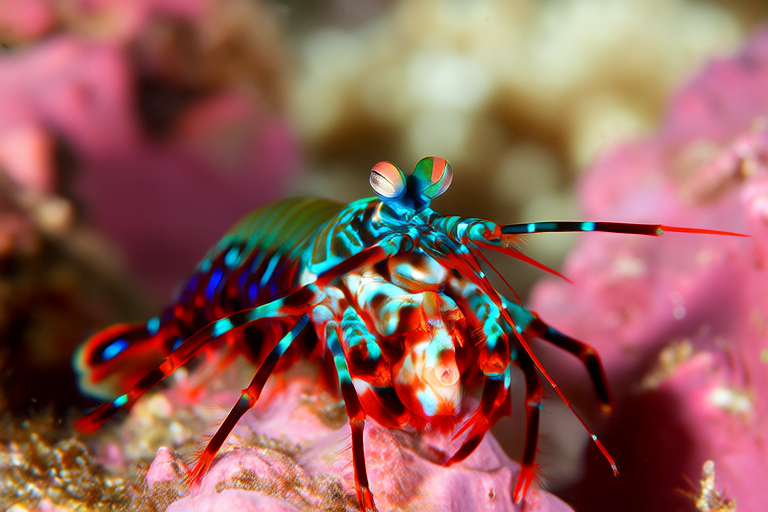
Coral Shrimp: A Colorful Addition to Marine Ecosystems
Coral shrimp are small, vibrant crustaceans that play significant roles in marine ecosystems. These creatures are known for their striking colors and are often sought after by aquarists for their aesthetic appeal. This article delves into the world of coral shrimp, exploring their unique features, ecological significance, and their suitability as aquarium inhabitants.
Unique Colors and Roles in Marine Ecosystems
One of the most striking features of coral shrimp is their bright, vivid colors. Their hues can range from electric blues and vibrant reds to soft pinks and greens. These colors serve multiple purposes in their natural habitats. Firstly, they act as a form of camouflage, helping them blend in with the colorful corals and sponges they inhabit. Secondly, these colors play a role in communication, particularly during mating rituals. The bright colors signal health and vitality, attracting potential mates.
In terms of their ecological roles, coral shrimp contribute significantly to the maintenance of coral reefs. They are adept at cleaning algae and detritus from the surfaces of corals, thereby promoting the health of these vital marine structures. Additionally, coral shrimp serve as prey for larger marine organisms, contributing to the food chain’s balance. Their presence also indicates a healthy ecosystem, as they thrive in environments where water quality and coral health are optimal.
Habitat Preferences and Dietary Habits
Coral shrimp are typically found in tropical and subtropical waters, preferring areas with abundant coral formations, rocky crevices, and sponge beds. They are commonly observed in shallow reef zones, where they can easily access their preferred habitats. These areas provide ample hiding spots and food sources, making them ideal for coral shrimp survival.
The dietary habits of coral shrimp are diverse and adaptable. While they primarily feed on algae, detritus, and microorganisms, they are opportunistic feeders and may consume small invertebrates when available. In the wild, they play an essential role in maintaining the cleanliness of coral reefs by removing excess algae and debris. This behavior not only benefits the coral but also helps in preventing the spread of harmful bacteria and fungi.
Common Species of Coral Shrimp
Several species of coral shrimp are popular among aquarists. One of the most well-known is Stenopus hispidus, commonly referred to as the banded coral shrimp. This species is easily recognizable by its distinct bands of red, white, and blue. Another notable species is Thor amboinensis, the scarlet cleaner shrimp, which is characterized by its bright red coloration and white spots. Other species include the Periclimenes pedersoni, known for its greenish hue, and the Periclimenes brevicarpalis, which displays a mix of pink and blue tones.
Each species has its own set of physical characteristics that distinguish it from others. For instance, the banded coral shrimp has long, slender claws and a segmented body, while the scarlet cleaner shrimp has shorter, more robust claws and a more compact body structure. Despite these differences, all species share similar behaviors and interactions within their environments.
Interactions with the Environment
Coral shrimp exhibit fascinating interactions with their surroundings. In the wild, they form symbiotic relationships with various marine organisms, including certain species of fish. These relationships are often mutualistic, meaning both parties benefit. For example, coral shrimp may clean parasites and dead skin from fish, providing a valuable service to their hosts. In return, the fish offer protection and additional food sources.
Within their aquarium habitats, coral shrimp continue to engage in similar behaviors. They actively clean the tank, consuming algae and detritus, thus maintaining water quality and promoting overall tank health. Their interactions with other tank inhabitants can be equally beneficial, as they help control populations of unwanted microorganisms.
Tips for Caring for Coral Shrimp as Pets
Tank Setup
When setting up an aquarium for coral shrimp, it is crucial to create an environment that mimics their natural habitat as closely as possible. Start by selecting a suitable tank size; a minimum of 20 gallons is recommended to ensure adequate space for the shrimp and other inhabitants. Incorporate plenty of live rock and coral formations, providing hiding spots and surfaces for the shrimp to graze on.
Ensure the tank has a secure lid to prevent the shrimp from escaping. Install appropriate filtration systems, such as protein skimmers and biological filters, to maintain water quality. Lighting should be moderate, simulating natural sunlight, and should be on a regular schedule to establish a day-night cycle.
Water Conditions
Maintaining stable water parameters is essential for the health of coral shrimp. Optimal temperature ranges between 72-78°F (22-26°C), while pH levels should be kept between 8.1-8.4. Ammonia and nitrite levels should be undetectable, and nitrate levels should be kept below 20 ppm. Regular water changes, typically 10-20% every two weeks, are necessary to keep these parameters in check.
Use high-quality salt mix to prepare artificial seawater, ensuring the correct salinity level of approximately 1.023-1.025 specific gravity. Test kits are invaluable tools for monitoring water conditions, allowing you to make adjustments as needed.
Compatible Tank Mates
Selecting compatible tank mates is crucial for the well-being of coral shrimp. They generally coexist peacefully with non-aggressive fish and invertebrates. Suitable companions include small, peaceful fish like clownfish, cardinal tetras, and dwarf gouramis. Other compatible invertebrates include hermit crabs, sea stars, and certain species of snails.
Avoid housing coral shrimp with aggressive or predatory species, such as lionfish, triggerfish, or large angelfish. Additionally, be cautious with invertebrates that have strong territorial tendencies, as they may compete with the shrimp for resources or space.
Challenges and Misconceptions
Despite their popularity, there are several challenges and misconceptions associated with keeping coral shrimp. One common misconception is that they are low-maintenance pets. While they do not require constant attention, maintaining optimal water conditions and providing a suitable habitat are essential for their health and longevity. Neglecting these aspects can lead to stress, disease, and even death.
Another challenge is the potential for aggression among coral shrimp. While they are generally peaceful, overcrowding or introducing new shrimp into an established tank can trigger territorial behavior. It is advisable to introduce new shrimp gradually and monitor their interactions closely.
Why Coral Shrimp Make Fascinating Additions to Aquariums
Coral shrimp are captivating additions to any aquarium due to their vibrant colors, unique behaviors, and ecological importance. Their ability to clean and maintain tank health adds value beyond mere aesthetics. Observing their interactions with other tank inhabitants provides endless fascination, making them a rewarding choice for both novice and experienced aquarists.
Moreover, the educational aspect of keeping coral shrimp cannot be overlooked. They offer opportunities to learn about marine biology, symbiotic relationships, and the delicate balance of aquatic ecosystems. By caring for these creatures, aquarists gain a deeper appreciation for the complexity and beauty of life underwater.
