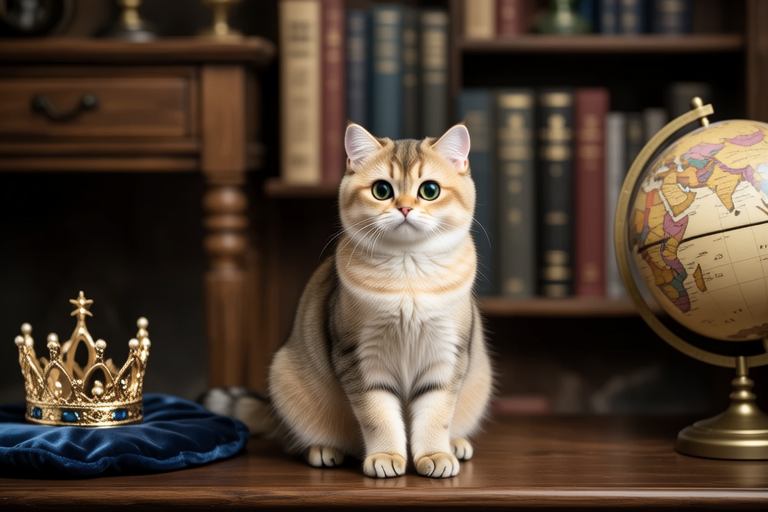
The Munchkin Cat Revolution: How These Little Legends Are Redefining Feline Charm
Imagine a cat that moves with the grace of a ballet dancer—except its legs are half the length of its peers, giving it a waddle that looks like a joyful shuffle across the floor. Picture a feline whose tiny stature only amplifies its big personality, turning heads not for its size, but for its uncontainable charm. This is no fantasy—it’s the reality of the Munchkin cat, a breed that has captured hearts worldwide and sparked a quiet revolution in how we see beauty, strength, and joy in our feline companions.
Once dismissed as a curiosity, the Munchkin cat has evolved into a beloved icon of modern pet culture. With their short legs, oversized eyes, and endless zest for life, these little legends have redefined what it means to be “cute” in the animal world. But beyond the adorable waddles and viral videos lies a fascinating story—one of genetic uniqueness, passionate advocacy, and a growing cultural shift toward embracing individuality in all living creatures.
A Tale of Tiny Beginnings: The Origin of the Munchkin
The story of the Munchkin begins in the late 1990s, in Louisiana, where a stray cat named Toulouse caught the attention of a local woman named Betty David. Toulouse had an unusual appearance: long, muscular body paired with remarkably short legs. Intrigued by his unique build, David began breeding him with other cats, hoping to preserve this distinctive trait. The offspring—named “Munchkins” after the diminutive characters from L. Frank Baum’s *The Wizard of Oz*—quickly revealed a consistent pattern: short limbs, but otherwise healthy, agile, and full of spirit.
What made this breed truly groundbreaking was not just its appearance, but its origin. Unlike breeds developed through selective breeding over generations, the Munchkin’s short legs resulted from a natural genetic mutation—specifically, a form of achondrodysplasia, a condition affecting cartilage development. This mutation is present in various species, including humans (as seen in conditions like dwarfism), but in cats, it manifests in a way that doesn’t appear to cause pain or mobility issues when properly managed.
Despite early skepticism from some in the cat fancy community, the Munchkin gained recognition through dedicated breeders and feline enthusiasts who championed their well-being and unique appeal. By the early 2000s, organizations such as the International Cat Association (TICA) and the Cat Fanciers’ Association (CFA) began acknowledging the breed, allowing them to compete in shows and earn titles. Today, Munchkins are celebrated not just for their looks, but for their resilience, adaptability, and undeniable charisma.
Legs Short, Heart Big: The Physical Traits That Captivate
The most striking feature of the Munchkin is undoubtedly its short legs—a hallmark that defines both its appearance and its movement. While their legs are typically one-third to one-half shorter than those of average cats, they are strong, well-proportioned, and perfectly adapted to their playful lifestyle. Contrary to popular belief, Munchkins don’t struggle with mobility. In fact, many experts note that their low-to-the-ground stance gives them a surprising agility, especially when leaping onto furniture or chasing toys.
“It’s amazing how quickly they adjust,” says Dr. Elena Ramirez, a feline veterinarian based in Portland, Oregon. “They develop a unique gait—a mix of waddle and spring—that’s actually quite efficient. They’re not hindered; they’re just different.”
Beyond their legs, Munchkins come in a variety of coat types—from short-haired to long-haired—and colors that span the rainbow. Their faces are often expressive, with large, round eyes that seem to sparkle with mischief and intelligence. Their bodies are long and lean, giving them a sleek, elongated silhouette that enhances their graceful movements. Whether curled up on a windowsill or zooming across the room, Munchkins carry themselves with a confidence that belies their size.
More Than Meets the Eye: Personality and Temperament
If you’ve ever watched a Munchkin chase a feather wand or leap onto a bookshelf with surprising speed, you’ll understand why they’re known as “the acrobats of the cat world.” Despite their small stature, Munchkins are full of energy, curiosity, and affection. They thrive on interaction and love being part of family life. Many owners describe them as “lap cats with a twist”—they enjoy cuddling but also insist on staying active and involved in daily routines.
“They’re incredibly social,” explains Sarah Lin, a certified cat behaviorist. “Munchkins often form deep bonds with their humans and tend to follow people around the house like little furry shadows. They’re not aloof or independent—they want to be included.”
This sociability extends to other pets as well. Munchkins generally get along well with dogs, rabbits, and even other cats. Their playful nature makes them excellent companions for families with children, provided the kids are taught to handle them gently and respectfully. Their ability to adapt to various household dynamics has made them a favorite in homes seeking a pet that brings both laughter and companionship.
Dispelling the Myths: Health and Longevity
One of the most persistent misconceptions about Munchkin cats is that their short legs lead to chronic pain or joint problems. While the genetic mutation responsible for their stature can theoretically increase the risk of certain orthopedic issues if not managed properly, responsible breeding practices and veterinary care have significantly mitigated these risks.
According to Dr. Ramirez, “When bred responsibly and maintained at a healthy weight, Munchkins live just as long and healthy lives as any other cat breed—typically 12 to 16 years, sometimes longer. Regular check-ups, balanced nutrition, and safe environments (like avoiding high places without secure access) go a long way in ensuring their well-being.”
Another common myth is that Munchkins cannot jump. In truth, they do jump—but differently. Rather than launching vertically like typical cats, they use their powerful hindquarters and long torsos to propel themselves forward in a controlled, low-to-the-ground motion. They can still reach shelves, beds, and even window sills with ease, though owners may need to provide ramps or steps to help them access higher surfaces comfortably.
Reputable breeders now screen for genetic health markers and avoid breeding cats with severe skeletal abnormalities. As a result, today’s Munchkins are healthier and more robust than ever before—proof that passion, science, and ethics can coexist in animal breeding.
From Living Rooms to the Global Stage: Munchkin Cats in Pop Culture
The rise of social media has been instrumental in catapulting the Munchkin cat into global fame. Platforms like Instagram, TikTok, and YouTube are filled with videos of Munchkins dancing on their hind legs, playing fetch, or simply staring into the camera with soulful eyes. One viral video featuring a Munchkin named “Sushi” doing a synchronized dance routine with her owner garnered millions of views and inspired countless parodies.
These cats have become unlikely influencers. Munchkin-themed merchandise—T-shirts, plush toys, and even cat-shaped keychains—sell out quickly. Some Munchkin owners have built entire brands around their pets, offering everything from grooming kits to wellness blogs. Even celebrities have embraced the breed: actress Zooey Deschanel, known for her quirky style, owns a Munchkin named “Penny,” whom she frequently features on her social media.
But beyond entertainment, Munchkins have also played a role in raising awareness about disability and inclusion. Their presence challenges outdated notions of “normalcy” and reminds us that beauty isn’t defined by conformity. In classrooms and therapy centers, Munchkin cats are used to teach children about diversity and empathy, helping young minds appreciate differences—not just in animals, but in people too.
Reimagining Beauty: A Cultural Shift Through Feline Individuality
At its core, the Munchkin cat revolution is about more than genetics or trends. It’s a reflection of a broader cultural evolution—one that values authenticity, character, and emotional connection over rigid ideals of perfection. In an age where filters and curated images dominate online spaces, the Munchkin stands as a symbol of raw, unfiltered charm.
They challenge us to look beyond the surface. What does it mean to be beautiful? Is it symmetry? Proportion? Or is it the spark in someone’s eyes, the warmth of their touch, the way they make you laugh with a single glance? The Munchkin answers with a waddle, a purr, and a boundless sense of wonder.
In a world that often pressures animals and people alike to fit predefined molds, the Munchkin offers a refreshing alternative. They prove that limitations—whether physical or societal—are not barriers to joy, love, or purpose. Instead, they can be sources of creativity, resilience, and inspiration.
As we continue to embrace diverse forms of beauty in our pets, our friends, and ourselves, the Munchkin remains a gentle reminder: true elegance isn’t found in conformity. It’s found in the courage to be yourself—no matter your shape, size, or walk of life.
Final Thoughts: More Than a Breed, a Movement
The Munchkin cat is more than a novelty. It’s a testament to the power of love, science, and compassion in shaping the future of pet ownership. From humble beginnings in a Louisiana backyard to starring roles in viral videos and heartwarming stories, these little legends have proven that charm isn’t earned through perfection—it’s born from personality, presence, and the quiet magic of being exactly who you are.
So the next time you see a cat with short legs gliding across the floor like a furry comet, take a moment. Watch not just the waddle, but the spirit behind it. Because in that tiny frame, you might just glimpse a revolution—one that celebrates difference, honors individuality, and reminds us all that the most extraordinary things often come in the smallest packages.
After all, in the grand tapestry of life, it’s not the tallest thread that holds the fabric together. It’s the ones that shine brightest, regardless of length—or leg.
