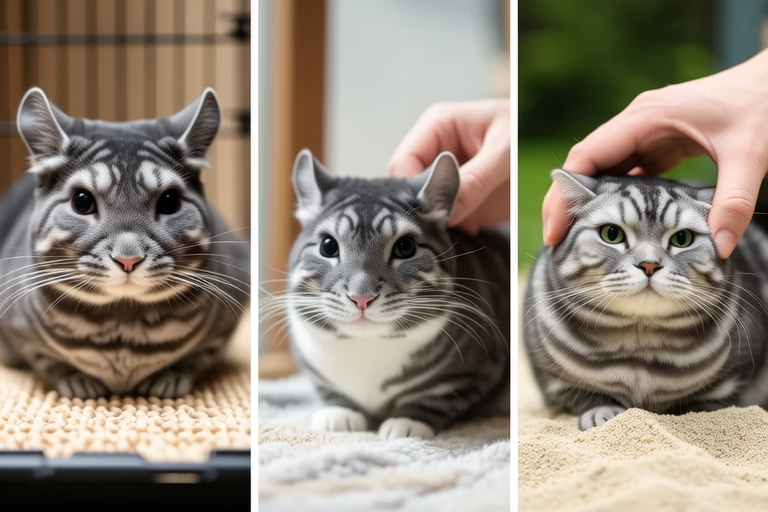
Top 5 Mistakes New Chinchilla Owners Make (And How to Avoid Them)
Welcoming a chinchilla into your home is an exciting adventure. These fluffy, energetic little creatures are known for their playful personalities and soft, dense fur—but they also have very specific needs. As a new owner, it’s easy to fall into common traps that can compromise your chinchilla’s health and happiness. Fortunately, most of these mistakes are preventable with the right knowledge.
In this guide, we’ll walk you through the top five mistakes new chinchilla owners make—and more importantly, how to avoid them. Drawing on expert veterinary advice and best practices from experienced chinchilla caregivers, this article offers clear, practical solutions so you can give your furry friend the best possible life.
1. Overfeeding Treats or Giving an Improper Diet
Why It’s Harmful: Chinchillas have delicate digestive systems that thrive on a high-fiber, low-sugar diet. Feeding them treats like seeds, dried fruit, or human snacks can lead to serious health problems including obesity, dental issues, gastrointestinal stasis (a potentially fatal slowdown in digestion), and even tooth overgrowth.
Chinchillas are herbivores by nature, and their diet should mimic what they’d eat in the wild: hay, fresh water, and a small amount of high-quality pellets. Any deviation—especially sugary or fatty foods—can disrupt their gut flora and cause long-term damage.
Signs to Watch For: Look out for changes in appetite, diarrhea, hard or absent stools, weight gain, excessive chewing on cage bars (a sign of discomfort), or lethargy. If your chinchilla stops eating or shows signs of abdominal bloating, seek veterinary care immediately.
Actionable Solutions:
- Stick to hay as the main food source. Provide unlimited access to timothy hay or orchard grass. This supports healthy digestion and helps wear down their continuously growing teeth.
- Limit pellets to about 1–2 tablespoons per day. Choose a pellet formulated specifically for chinchillas—avoid those with added sugars, seeds, or dried fruit.
- Treats should be rare and simple. If you want to offer a treat, opt for a single piece of unsweetened dried rosehip or a tiny piece of dried apple (no more than once a week). Never use commercial “chinchilla treats” unless they’re approved by a vet or reputable breeder.
- Always provide fresh, clean water. Use a metal water bottle attached securely to the cage—never a bowl, which can easily spill or become contaminated.
Remember: A chinchilla’s diet is not just about what they eat—it’s about consistency. Stick to a routine, and your pet will thank you with years of joyful hops and curious explorations.
2. Using Inappropriate Bedding or Neglecting Dust Baths
Why It’s Harmful: Many new owners unknowingly use bedding materials that are unsafe for chinchillas. Common culprits include wood shavings, paper towels, or cotton-based products. These can cause respiratory irritation, skin infections, or even ingestion-related blockages if chewed.
Additionally, skipping dust baths—or using the wrong kind—can lead to matted fur, skin infections, and increased risk of fungal growth. Chinchillas don’t bathe in water; instead, they rely on fine, natural volcanic ash dust to keep their fur clean and dry.
Signs to Watch For: Signs of poor bedding include sneezing, wheezing, watery eyes, or flaky, greasy-looking fur. If your chinchilla avoids the dust bath area or starts scratching excessively, it may be due to irritation or discomfort.
Actionable Solutions:
- Use only safe, dust-free bedding. Opt for aspen shavings (not pine or cedar) or paper-based bedding labeled safe for small animals. However, avoid bedding that clumps or produces dust—this can irritate their lungs.
- Provide a proper dust bath at least 2–3 times a week. Use a shallow, non-porous container (like ceramic or plastic) filled with about 2 inches of chinchilla-safe dust. Natural, volcanic ash dust (such as “Chinchilla Dust” or “Cavivac”) is ideal. Avoid regular sand or play sand, which can contain harmful minerals.
- Keep the dust bath clean and dry. Replace the dust every 1–2 weeks, or sooner if it becomes damp or dirty. Always remove any feces or debris before refilling.
- Don’t force your chinchilla into the dust bath. Let them come to it voluntarily. Some may take time to adjust—just leave it available and observe their behavior.
Proper bedding and regular dust baths aren’t luxuries—they’re essential parts of your chinchilla’s hygiene and well-being. With the right setup, you’ll notice a significant difference in their coat quality and overall energy levels.
3. Exposing Chinchillas to Heat or Humidity
Why It’s Harmful: Chinchillas originate from the Andes Mountains, where temperatures are cool and dry. Their bodies are not designed to handle heat or humidity. Even brief exposure to temperatures above 75°F (24°C) can cause heatstroke—a medical emergency that can be fatal within minutes.
High humidity exacerbates the problem because chinchillas cannot sweat. They rely on air circulation and cool environments to regulate body temperature. Leaving them in a warm room, near a heater, or in direct sunlight can quickly lead to overheating.
Signs to Watch For: Early signs of heat stress include heavy panting, drooling, lethargy, glassy eyes, weakness, or collapse. If your chinchilla suddenly becomes unresponsive or lies still, it could be a sign of severe heatstroke. Immediate cooling and veterinary intervention are critical.
Actionable Solutions:
- Maintain a cool, stable environment. Keep the room between 60–70°F (15–21°C). Avoid placing the cage near windows, radiators, or electronic devices that generate heat.
- Ensure good airflow. Use a fan (not directly blowing on the cage) or open a window for ventilation. Just avoid drafts or cold spots.
- Use cooling options. Place a ceramic tile or chilled stone inside the cage. Some owners use specially designed chinchilla cooling pads, but always check with your vet first.
- Monitor humidity levels. Ideal humidity is below 50%. Use a hygrometer to track moisture levels, especially during humid seasons.
- Never let your chinchilla go outside in hot weather. Even short trips outdoors in summer can be dangerous.
Think of your chinchilla’s habitat like a climate-controlled sanctuary. By keeping things cool and dry, you’re protecting their most vulnerable system—their ability to stay comfortable and safe in their own body.
4. Handling Them Too Roughly or Too Frequently
Why It’s Harmful: Chinchillas are naturally skittish and sensitive creatures. Sudden movements, loud noises, or rough handling can startle them, leading to fear, stress, and even injury. In extreme cases, a frightened chinchilla might bite or try to escape—risking falls or broken bones.
Over-handling can also suppress their natural behaviors and reduce trust. Chinchillas need time to adjust to their new home and learn to feel safe with their humans. Pushing too hard too soon damages the bond you’re trying to build.
Signs to Watch For: Watch for flattened ears, rapid breathing, freezing in place, fleeing, or attempts to jump away. Aggressive behaviors like biting or kicking may signal distress rather than aggression.
Actionable Solutions:
- Let your chinchilla settle in first. Allow at least 3–5 days without handling after bringing them home. This gives them time to explore and feel secure in their space.
- Approach slowly and calmly. Speak softly, move slowly, and let them come to you. Offer a treat from your hand to build positive associations.
- Support their entire body when holding. Never pick them up by the back legs or tail—this causes pain and potential injury. Instead, cup both hands under their body, supporting their hindquarters and chest.
- Keep sessions short. Start with 5–10 minutes daily, gradually increasing as your chinchilla becomes more comfortable. Stop if they show signs of stress.
- Handle during calm times. Avoid handling during mealtime, dust baths, or when they’re sleeping. The best times are usually mid-morning or late afternoon when they’re naturally more active.
Building trust takes patience. Each gentle interaction strengthens your bond and makes your chinchilla feel safer and more loved. Remember: slow and steady wins the race.
5. Providing Inadequate Socialization or Mental Stimulation
Why It’s Harmful: Chinchillas are intelligent, social animals that thrive on mental engagement. Without toys, enrichment, or interaction, they can become bored, anxious, or develop destructive habits like chewing cage bars or over-grooming.
While chinchillas can live alone, they still need daily stimulation. Isolation without mental challenges leads to depression-like symptoms and behavioral issues that are difficult to reverse.
Signs to Watch For: Look for signs such as repetitive behaviors (like pacing or bar-chewing), lack of interest in toys, excessive sleep, or sudden aggression. These can indicate mental fatigue or frustration.
Actionable Solutions:
- Offer a variety of safe toys. Include wooden chew toys, cardboard tubes, fabric tunnels, and hanging ropes. Rotate toys weekly to keep things interesting.
- Create a multi-level cage setup. Use platforms, ramps, and shelves to encourage climbing and exploration. Make sure all levels are secure and stable.
- Introduce puzzle feeders. Hide small pieces of hay or pellets in a treat ball or maze to stimulate problem-solving skills.
- Allow supervised playtime outside the cage. Set up a safe, chinchilla-proofed area (free of electrical cords, small gaps, and toxic plants) where they can run and explore. Supervise closely—never leave them unattended.
- Engage in interactive play. Sit quietly with your chinchilla, let them hop onto your lap, or gently roll a ball toward them. Use verbal cues and rewards to build connection.
Think of mental stimulation like exercise for the mind. Just as you wouldn’t expect your dog to stay happy without walks, your chinchilla needs regular brain breaks to stay mentally sharp and emotionally balanced.
Final Thoughts: Best Practices for Chinchilla Wellness
Bringing a chinchilla home is a wonderful decision—but it comes with responsibility. By avoiding these five common mistakes, you’re setting the foundation for a long, healthy, and joyful relationship.
Here’s a quick recap of what you’ve learned:
- Feed a high-fiber, low-sugar diet centered on hay and limited pellets.
- Use safe bedding and provide regular, appropriate dust baths.
- Keep the environment cool (under 75°F) and dry (below 50% humidity).
- Handle your chinchilla gently, patiently, and only when they’re ready.
- Enrich their life with toys, climbing structures, and daily interaction.
With attention to detail and consistent care, your chinchilla will not only survive but truly thrive. They’re capable of forming deep bonds, showing affection, and delighting you with their quirky personalities.
As a responsible owner, your role goes beyond feeding and cleaning—it’s about understanding their unique needs and creating a world where they feel safe, stimulated, and cherished. When you do it right, the reward is a happy, healthy chinchilla who brings endless joy to your home.
Take pride in the care you give. Your chinchilla’s well-being depends on you—and you’ve got this!
