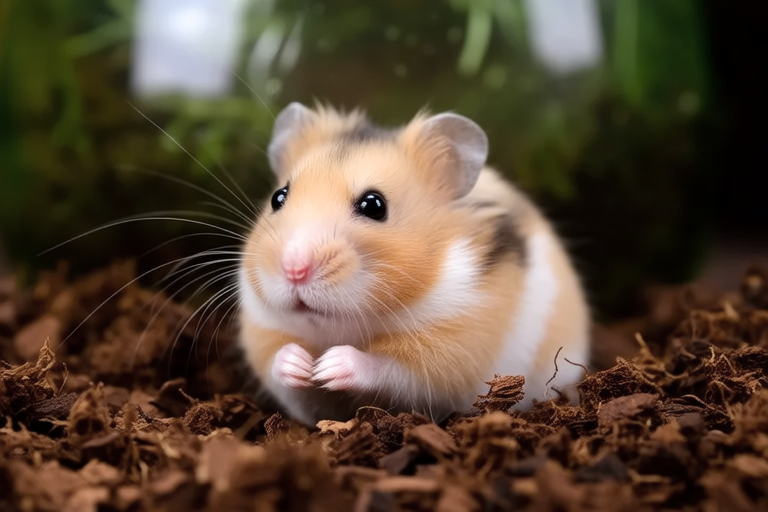
The Enchanting World of Roborovski Hamsters
Roborovski hamsters, also known as desert hamsters, are the smallest domesticated hamster species, making them an ideal pet for those seeking a compact, active companion. These charming creatures have a rich history, unique characteristics, and specific care requirements that set them apart from other hamster breeds. In this article, we will explore the origins, lifespan, dietary needs, habitat preferences, exercise requirements, common health issues, grooming tips, and suitable toys for enrichment of Roborovski hamsters. We will also compare and contrast their traits with other hamster breeds to provide a comprehensive overview.
Origins and History
Roborovski hamsters were first discovered by Lt. Vsevolod Roborovski in 1894 in Central Asia, specifically in the desert regions of Mongolia and China. They were initially named Cricetulus robustus, but later classified as Phodopus roborovskii. These hamsters have adapted to harsh desert environments, which explains their petite size and high tolerance for heat. Their natural habitat includes rocky outcrops, sandy plains, and areas with sparse vegetation. Roborovski hamsters were introduced to the pet trade in the 1960s and quickly gained popularity due to their playful nature and manageable size.
Lifespan and Size
Roborovski hamsters typically live between two to three years, though some may reach four years under optimal care conditions. Their small size makes them a popular choice for apartment dwellers or those with limited space. Male Roborovski hamsters usually weigh around 20 grams, while females can be slightly heavier at 25 grams. Their diminutive stature does not detract from their energy levels; in fact, they are one of the most active hamster breeds, often running several miles on a wheel each night.
Dietary Needs
Roborovski hamsters thrive on a diet consisting of high-quality hamster food, fresh fruits, vegetables, and occasional treats. Their diet should primarily consist of commercial hamster mix, which contains seeds, grains, and pellets. Fresh vegetables like carrots, cucumbers, and leafy greens can be offered in moderation. Fruits such as apples, strawberries, and blueberries are acceptable but should be given sparingly due to their sugar content. It’s essential to avoid feeding them avocado, chocolate, citrus fruits, and any foods high in fat or sugar. Providing a water bottle ensures constant access to fresh, clean water.
Habitat Preferences
Roborovski hamsters require spacious enclosures to accommodate their high activity levels. A minimum cage size of 24 inches long, 12 inches wide, and 12 inches high is recommended. Cages with multiple levels or tunnels are ideal, as they mimic their natural burrowing behavior. The substrate should be made of aspen wood shavings or paper-based bedding, as cedar and pine shavings can cause respiratory issues. Adding hideouts, tubes, and chew toys enriches their environment and provides mental stimulation. Roborovski hamsters are sensitive to temperature changes, so maintaining a moderate room temperature between 65°F and 75°F is crucial.
Exercise Requirements
Roborovski hamsters are incredibly active and need ample opportunities for physical activity. A solid-surface wheel with a diameter of at least 8 inches is essential for their well-being. Wheels with bars can cause injury to their legs and spine. Additionally, providing tunnels, bridges, and platforms encourages climbing and exploration. Rotating toys and rearranging the cage every few days keeps their environment stimulating and prevents boredom. Exercise balls are another option for supervised playtime outside the cage, but they should only be used for short periods to prevent overheating.
Common Health Issues
Like all pets, Roborovski hamsters are prone to certain health issues. Dental problems are common, especially if they do not have enough chew toys or appropriate food to wear down their continuously growing teeth. Signs of dental issues include drooling, difficulty eating, or weight loss. Respiratory infections can occur if the cage is too cold or damp, causing symptoms such as sneezing, wheezing, or discharge from the nose and eyes. Obesity can develop if they consume too many high-calorie treats or lack sufficient exercise. Regular veterinary check-ups and prompt treatment for any health concerns are vital for their longevity.
Grooming Tips
Rather than requiring extensive grooming, Roborovski hamsters benefit from routine maintenance to keep them healthy and comfortable. Regular cleaning of their cage, water bottle, and food dish prevents the buildup of bacteria and harmful substances. Providing dust baths once a week helps maintain their coat’s cleanliness and condition. Bathing them in water is generally unnecessary and can stress them out. Trimming their nails when needed prevents overgrowth and potential injuries. Monitoring their weight and overall appearance allows early detection of any health issues.
Suitable Toys for Enrichment
Toys that promote mental and physical stimulation are crucial for Roborovski hamsters’ well-being. Chew toys, such as wooden blocks, cardboard tubes, and untreated twigs, help wear down their teeth and satisfy their chewing instincts. Tunnels, bridges, and platforms encourage exploration and climbing. Balls, discs, and small bells add variety to their playtime. Puzzle feeders challenge their problem-solving skills and reward them with treats. Rotate toys regularly to maintain interest and prevent boredom.
Anecdotes and Tips for First-Time Owners
First-time owners of Roborovski hamsters often marvel at their speed and agility. One owner shared, “I was amazed when my Roborovski hamster darted across the room in seconds. They’re like little furry rockets!” Another tip is to introduce new items gradually to allow them to adjust comfortably. Some owners recommend placing a small amount of hay or bedding from the original enclosure into the new cage to familiarize them with their new home. Patience is key when handling these tiny pets, as they may be skittish at first but will become more trusting over time.
Comparison with Other Hamster Breeds
Roborovski hamsters differ from Syrian hamsters in several ways. Syrians are larger, more solitary, and less active. Roborovski hamsters, on the other hand, are smaller, more social, and highly energetic. Chinese hamsters are similar in size to Roborovski hamsters but have a more pronounced tail and are more prone to health issues. Campbell’s dwarf hamsters are also small and active but tend to be more vocal and less tolerant of handling. Each breed has its own unique characteristics, making it important for potential owners to research thoroughly before adopting.
The Charm and Adaptability of Roborovski Hamsters
Roborovski hamsters possess a captivating charm and remarkable adaptability that make them delightful companions. Their small size, high energy, and playful nature endear them to many pet owners. With proper care and attention, these tiny creatures can provide endless entertainment and companionship. Their adaptability to various living situations and minimal space requirements make them an excellent choice for apartment dwellers or those with limited experience caring for pets.
