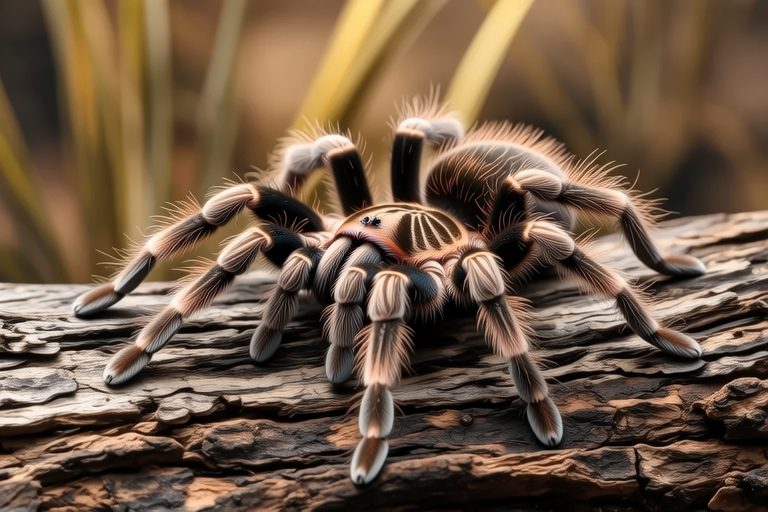
Chilean Rose Tarantulas Unveiled: Myths, Facts, and Fascinating Behaviors
The Chilean rose tarantula (Grammostola rosea), also known as the Chilean flame tarantula or simply rose tarantula, is one of the most popular species among tarantula enthusiasts. This article aims to dispel common myths about these spiders, provide factual information on their appearance, habitat, diet, and life cycle, and delve into their fascinating behaviors. We will also offer advice for those considering owning one as a pet, emphasizing responsible ownership.
Dispelling Common Myths About Chilean Rose Tarantulas
One of the most pervasive myths about tarantulas is that they are aggressive and dangerous. While it’s true that all animals can be unpredictable, Chilean rose tarantulas are generally docile and pose little threat to humans. They have tiny fangs and venom that is mild compared to other spider species. Another myth is that they are highly venomous, which is far from the truth; their bite is comparable to a bee sting in terms of severity.
Contrary to popular belief, tarantulas do not spin webs to catch prey. Instead, they rely on their speed and strength to capture small insects and other arthropods. Their hairy bodies are not used for spinning silk but rather for sensing their environment and defending against predators. These hairs, known as urticating hairs, can be released when threatened, causing irritation to potential attackers.
Factual Information on Appearance, Habitat, Diet, and Life Cycle
Appearance
Chilean rose tarantulas are medium-sized spiders, typically measuring between 4 and 6 inches in leg span. As juveniles, they have a light brown coloration that gradually changes to a more vibrant pinkish hue as they mature. The females tend to be larger than males, and they can live up to 20 years, while males usually reach the end of their lifespan at around 5 years.
Their legs are covered in fine hairs that help them sense vibrations in the ground, making it easier for them to locate prey. The body is robust, with eight eyes arranged in two rows, though their vision is relatively poor. Instead, they rely heavily on their other senses to navigate and hunt.
Habitat
Native to the Atacama Desert in Chile, these tarantulas thrive in arid environments with minimal rainfall. They prefer rocky outcrops and burrows where they can find shelter from extreme temperatures. In captivity, providing a similar environment with appropriate substrate and hiding spots is essential for their well-being.
Diet
Chilean rose tarantulas are carnivorous, feeding primarily on insects such as crickets, mealworms, and roaches. In the wild, they may also consume small lizards and other arthropods. It’s important to note that these spiders have slow metabolisms, so they don’t require frequent feedings. Feeding once every 7 to 10 days is sufficient for adult tarantulas.
Life Cycle
The life cycle of a Chilean rose tarantula begins with mating. Males produce sperm packets, which they transfer to the female during courtship. After successful mating, the female lays eggs in a silken sac. She guards the egg sac until the spiderlings hatch, typically after a few weeks. Once hatched, the spiderlings undergo several molts before reaching adulthood.
Fascinating Behaviors: Hunting, Defense, and Interaction with Environment
Hunting
Chilean rose tarantulas are ambush predators, lying in wait for prey to come within striking distance. They use their powerful front legs to grab and immobilize their victims, injecting venom through their fangs to subdue them. The venom serves to paralyze the prey, making it easier for the tarantula to consume. Despite their hunting prowess, they are not aggressive toward humans.
Defense Mechanisms
In addition to their venom, Chilean rose tarantulas possess a unique defense mechanism involving their urticating hairs. When threatened, they rub their hind legs against their abdomen to release these hairs, which can cause irritation to potential predators. This defense mechanism is particularly effective against mammals, as their skin and eyes can become inflamed upon contact with the hairs.
Interaction with Environment
These tarantulas are highly attuned to their surroundings, using vibrations to detect potential threats or prey. They are also capable of digging burrows, which they use as shelters. In captivity, providing a substrate deep enough for them to burrow in is crucial for their comfort and well-being.
Advice for Those Considering Owning a Chilean Rose Tarantula
Owning a Chilean rose tarantula can be a rewarding experience for those interested in exotic pets. However, it’s essential to approach this responsibility with care and consideration. First and foremost, ensure you are prepared for the long-term commitment. These spiders can live for many years, requiring consistent care and attention.
Proper housing is crucial for the health and happiness of your tarantula. A terrarium with appropriate dimensions, substrate, and temperature control is necessary. The enclosure should mimic their natural habitat as closely as possible, with hiding spots and a shallow water dish provided.
Handling your tarantula should be done with caution. Always wash your hands before and after handling to avoid transferring oils or chemicals that could harm the spider. Use a long-handled tool, such as a paintbrush, to gently coax the tarantula out of its enclosure if needed.
Lastly, consider the ethical implications of keeping exotic animals as pets. While Chilean rose tarantulas are widely available in the pet trade, it’s important to purchase from reputable breeders who prioritize the welfare of the animals. Avoid supporting illegal wildlife markets that contribute to the decline of wild populations.
In conclusion, Chilean rose tarantulas are fascinating creatures with unique behaviors and adaptations. By understanding their needs and respecting their space, we can enjoy these remarkable arachnids responsibly. Whether you’re an experienced keeper or a newcomer to the world of tarantulas, taking the time to learn about these spiders will enhance your appreciation for these incredible creatures.
