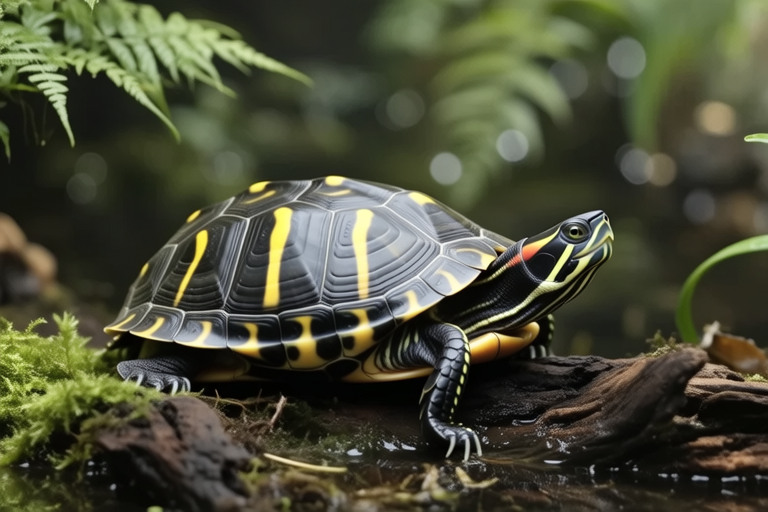
Unraveling the Secrets of the Three-Striped Box Turtle: A Complete Care Guide
Introduction
Welcome to your ultimate guide on caring for the three-striped box turtle, also known as Cuora trifasciata. This guide aims to provide you with all the necessary information to ensure that your pet thrives in its new home. Whether you’re a novice or an experienced turtle owner, this comprehensive care guide will help you understand the unique needs of the three-striped box turtle.
Natural Habitat
The three-striped box turtle is native to Southeast Asia, specifically parts of China, Myanmar, Thailand, and Vietnam. In their natural environment, they inhabit moist forests, grasslands, and riverbanks. They prefer areas with plenty of vegetation, where they can find shelter under leaves, logs, or rocks. Understanding their natural habitat is crucial for replicating the right conditions in captivity.
These turtles are semi-aquatic, meaning they spend part of their time in water and part on land. Their environment should mimic this balance, with both dry and wet areas available for them to explore.
Dietary Needs
Three-striped box turtles are omnivorous, feeding on a variety of foods including plants, insects, and small vertebrates. In the wild, their diet consists mainly of fruits, vegetables, and occasional small prey like snails or earthworms. In captivity, it’s important to provide a balanced diet to ensure optimal health.
- Vegetables: Dark leafy greens such as kale, collard greens, and dandelion greens are excellent choices. Avoid iceberg lettuce as it has little nutritional value.
- Fruits: Offer a variety of fruits such as apples, berries, and melons. However, limit the amount of citrus fruits due to their high acidity.
- Insects: Feeding live insects like crickets, mealworms, and waxworms provides essential proteins and nutrients. Dust these insects with calcium powder before feeding.
- Vitamins and Minerals: Regular supplementation with multivitamins and calcium is recommended, especially for growing juveniles.
It’s important to note that while these turtles enjoy eating meat, it should be offered sparingly to avoid digestive issues. A balanced diet will help maintain their health and longevity.
Housing Requirements
Creating the right living space for your three-striped box turtle is essential for their well-being. The enclosure should be large enough to allow movement and exploration, with both terrestrial and aquatic areas.
Terrarium Size
A minimum terrarium size of 4 feet by 2 feet is recommended for a single adult turtle. Juveniles can be housed in smaller enclosures but should be upgraded as they grow.
Substrate
The substrate should be safe, easy to clean, and able to retain moisture. Options include coconut fiber, cypress mulch, or reptile-safe soil. Avoid substrates like gravel or sand, which can cause impaction if ingested.
Temperature and Humidity
Maintaining the correct temperature and humidity levels is critical. Daytime temperatures should range between 75-85°F (24-29°C), with a basking area reaching up to 90°F (32°C). Nighttime temperatures can drop slightly to 65-75°F (18-24°C).
Humidity levels should be kept between 60-80%. This can be achieved through misting, water dishes, and humidifiers. Proper humidity helps prevent dehydration and respiratory issues.
Lighting
UVB lighting is essential for the synthesis of vitamin D3, which aids in calcium absorption. Use a UVB lamp designed for reptiles, and place it within 12 inches of the basking area. Replace the bulb every six months to ensure effectiveness. Additionally, provide a 12-hour light cycle to simulate day and night.
Water Area
Ensure there is a shallow water dish or pool where the turtle can swim and soak. The water should be deep enough for the turtle to submerge its entire body but shallow enough to easily exit. Change the water regularly to maintain cleanliness.
Health Issues
Like any pet, three-striped box turtles are susceptible to certain health issues. Early detection and proper care can prevent many problems from escalating.
Respiratory Infections
Common symptoms include runny nose, labored breathing, and lethargy. These infections are often caused by poor environmental conditions, such as low humidity or cold temperatures. To prevent respiratory infections, ensure the terrarium is properly ventilated and maintains appropriate humidity levels.
Shell Rot
This bacterial infection affects the shell and can lead to soft spots, discoloration, and even holes. It’s typically caused by dirty water or substrate. Regular cleaning of the enclosure and providing a clean, dry environment are key preventive measures.
Metabolic Bone Disease
Caused by insufficient calcium intake, this disease weakens the bones and shell. Providing a balanced diet rich in calcium and ensuring adequate UVB exposure can prevent this condition.
If you notice any signs of illness, consult a veterinarian specializing in reptiles immediately. Early intervention can make a significant difference in recovery.
Behavioral Insights
Understanding the behavior of your three-striped box turtle can help you better meet its needs and provide a stimulating environment.
Social Behavior
Three-striped box turtles are generally solitary creatures. While they may tolerate the presence of other turtles, it’s best to house them individually to avoid stress or aggression. If you decide to keep multiple turtles, provide ample space and separate feeding areas.
Activity Levels
These turtles are most active during the day, particularly in the morning and late afternoon. They enjoy exploring their surroundings and basking in the sun. Providing hiding spots and climbing structures can enhance their activity and mental stimulation.
Environmental Enrichment
To keep your turtle engaged, offer enrichment activities such as puzzle feeders, varied substrates, and plants. Rotate toys and decorations periodically to maintain interest. Environmental enrichment can reduce boredom and promote overall well-being.
Conclusion
Caring for a three-striped box turtle requires commitment and attention to detail. By understanding their natural habitat, dietary needs, housing requirements, potential health issues, and behavioral traits, you can provide your pet with a healthy and happy life. Remember, each turtle is unique, so observe your pet closely and adjust its care accordingly. With proper care, your three-striped box turtle can be a rewarding companion for years to come.
