Raising a Shiba Inu: Tips for First-Time Dog Owners
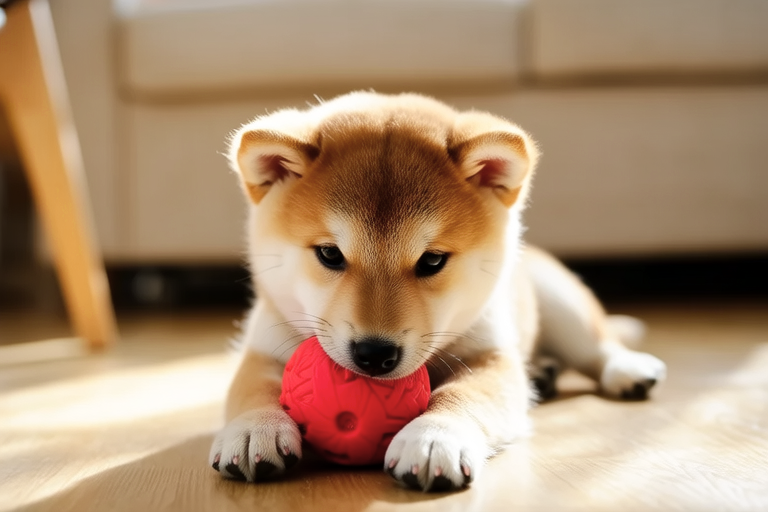
Welcome to the world of Shiba Inu ownership! Known for their fox-like appearance and independent spirit, these dogs are a delightful addition to any family. Originating from Japan, Shiba Inus are one of the oldest dog breeds and have been cherished for centuries. Their small size, striking red coats, and expressive eyes make them stand out among other breeds. However, their spirited independence requires understanding and patience from their owners.
Understanding Your Shiba Inu
Shiba Inus are known for their strong will and loyalty. They are not just cute; they are intelligent, alert, and have a keen sense of curiosity. This breed can be challenging for first-time dog owners but also rewarding when raised with love and consistency. Understanding your Shiba Inu’s unique characteristics is crucial for successful bonding and management.
Dietary Needs
Feeding your Shiba Inu a balanced diet is essential for their overall health and longevity. As with any dog, their diet should consist of high-quality protein, fats, carbohydrates, vitamins, and minerals. Consult with your veterinarian to determine the right amount and type of food for your Shiba Inu based on age, weight, and activity level.
Avoid feeding table scraps or human foods that could be harmful to your dog. Common problematic foods include chocolate, grapes, raisins, onions, and garlic. Instead, opt for premium dog food that meets the nutritional standards set by organizations like the Association of American Feed Control Officials (AAFCO).
Exercise Routines
Shiba Inus are active and energetic dogs that require regular physical activity to stay healthy and happy. Despite their small size, they need ample exercise to burn off excess energy and maintain a healthy weight. Daily walks, playtime, and mental stimulation are vital for their well-being.
Consider activities such as agility courses, fetch, or interactive toys that challenge their minds and bodies. Swimming can also be a great low-impact exercise for Shibas. Remember to introduce new exercises gradually and always supervise your Shiba Inu during outdoor activities.
Grooming Requirements
Shiba Inus have a double coat that sheds heavily twice a year. Regular brushing helps manage shedding and keeps their coat healthy. Use a slicker brush or a pin brush to remove loose hair and prevent matting. Bathing should be done only when necessary to avoid stripping their natural oils.
In addition to brushing, pay attention to their nails, ears, and teeth. Trim their nails regularly to prevent discomfort and injury. Clean their ears weekly to prevent infections. Dental hygiene is also important; provide dental chews or brushes to keep their teeth clean and healthy.
Common Health Issues
Like all dog breeds, Shibas are prone to certain health conditions. Early detection and proper care can help manage these issues effectively. Common health problems include hip dysplasia, patellar luxation, progressive retinal atrophy, and hypothyroidism.
Regular veterinary check-ups are crucial for early diagnosis and treatment. Maintain a close relationship with your veterinarian to discuss any concerns and ensure your Shiba Inu receives timely vaccinations and preventive care.
Training Techniques
Training a Shiba Inu requires patience and positive reinforcement. Their independent nature can make training challenging, but consistent and gentle methods yield the best results. Avoid harsh punishment or yelling, which can damage the bond between you and your Shiba Inu.
Start training sessions short and frequent, focusing on basic commands like sit, stay, come, and down. Use treats and praise to reward good behavior. Gradually increase the duration and complexity of training sessions as your Shiba Inu masters each command. Consistency is key in reinforcing desired behaviors.
Socializing Your Shiba Inu
Socialization is essential for raising a well-adjusted Shiba Inu. Expose your puppy to various environments, people, and other animals from an early age. Positive experiences during this critical period help build confidence and reduce fear or aggression towards unfamiliar situations.
Attend puppy classes or arrange playdates with other dogs to encourage social interaction. Always supervise interactions to ensure safety and intervene if conflicts arise. Gradually introduce your Shiba Inu to new experiences, ensuring each encounter is positive and rewarding.
Integrating Your Shiba Inu Into the Family
Bringing a Shiba Inu into your home requires careful planning and preparation. Create a safe space for your new pet, complete with a comfortable bed, water bowl, and toys. Introduce your Shiba Inu to family members gradually, allowing time for bonding and adjustment.
Establish a routine that includes feeding, walking, and playtime. Consistency helps your Shiba Inu feel secure and understand expectations. Encourage children to interact gently and respectfully with your new pet. Teach them how to approach and handle your Shiba Inu safely.
Conclusion
Raising a Shiba Inu is a rewarding experience filled with joy, companionship, and challenges. By understanding their unique characteristics and providing proper care, you can ensure a happy and healthy life for your Shiba Inu. Remember, every dog is different, so adapt these tips to suit your individual pet’s needs.
Resources for Further Learning
For more information on Shiba Inu care, consider exploring books, websites, and local dog clubs dedicated to the breed. Join online forums or social media groups where fellow Shiba Inu owners share experiences and advice. Attend workshops or seminars offered by veterinarians or professional trainers specializing in Shiba Inus.
