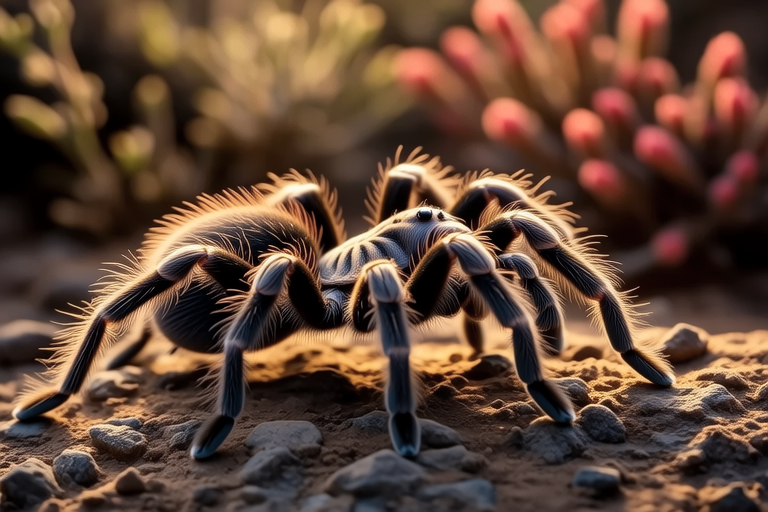
Meet the Creepy-Crawlies: The Ultimate Guide to Tarantula Care
Tarantulas have long been the subject of fascination and fear. These large, hairy spiders often elicit a mix of awe and dread from people who encounter them. While some might be intimidated by their appearance, others are drawn to their unique behaviors and intriguing biology. If you’re considering keeping a tarantula as a pet, this guide will provide you with everything you need to know about these fascinating creatures, from choosing the right species to ensuring their health and happiness.
Choosing the Right Species
The first step in tarantula care is selecting the appropriate species. With over 900 known species of tarantulas, each has its own specific needs and characteristics. Some species are more docile and easier to handle, making them ideal for beginners. Others are more aggressive and better suited for experienced keepers. Popular choices for beginners include the Chilean rose tarantula (Grammostola rosea) and the Mexican redknee tarantula (Brachypelma smithi). Both are relatively calm and can thrive in captivity. For those looking for a more challenging species, the Goliath birdeater (Theraphosa blondi) is the largest tarantula species and can be quite intimidating. However, it is also one of the most docile species.
Setting Up the Perfect Habitat
A tarantula’s habitat, or terrarium, should mimic its natural environment as closely as possible. This includes providing the right temperature, humidity, and substrate. Most tarantulas prefer temperatures between 75 and 85 degrees Fahrenheit, with humidity levels ranging from 60% to 80%. A heat lamp or under-tank heater can help maintain the proper temperature. Humidity can be controlled using a spray bottle or automatic misting system. The substrate should be at least three inches deep and made of coconut fiber, peat moss, or a mixture of both. It’s important to provide hiding spots such as cork bark, caves, or artificial plants to give your tarantula a sense of security.
Diet and Feeding Habits
Tarantulas are carnivorous and primarily feed on insects, but they can also consume small vertebrates. In captivity, crickets are the most commonly fed food item, but other options include mealworms, dubia roaches, and even pinky mice for larger species. The size of the prey should be proportional to the tarantula’s body size, with the prey being no wider than the spider’s abdomen. Feeding frequency depends on the age and size of the tarantula, but generally, they should be fed once a week. Always remove uneaten prey after 24 hours to prevent it from attacking your tarantula.
Handling and Safety Tips
While tarantulas can make great pets, it’s important to handle them with care. Unlike some other animals, tarantulas don’t enjoy being held or petted. Instead, they prefer to be left alone in their terrarium. If you must handle your tarantula, always do so gently and avoid touching its abdomen, as this can cause it to release urticating hairs, which can irritate your skin and eyes. Always wash your hands before and after handling your tarantula to avoid transferring oils that could harm it. Additionally, never place two tarantulas together, as they are solitary creatures and may become aggressive towards each other.
Common Health Issues
Like any pet, tarantulas can experience health issues. One of the most common problems is dehydration, which can occur if the humidity level in the terrarium is too low. Signs of dehydration include a soft abdomen and lethargy. Another issue is mites, which can infest the tarantula’s enclosure and cause irritation. Regular cleaning of the terrarium and quarantine of new tarantulas can help prevent mite infestations. Other potential health issues include leg loss due to fighting or injury, and molting complications, where the tarantula becomes stuck in its old exoskeleton. If you notice any of these issues, consult a veterinarian who specializes in exotic pets for advice.
Signs of a Healthy Tarantula
A healthy tarantula is active, alert, and well-fed. Its abdomen should be plump and firm, and it should be able to move freely around its enclosure. Healthy tarantulas will also molt regularly, shedding their old exoskeleton to make way for a new one. During the molting process, the tarantula will lie on its back with its legs in the air, and it may remain in this position for several days while it absorbs nutrients from its old exoskeleton. After molting, the tarantula’s new exoskeleton will be soft and pale, but it will darken and harden within a few days. If your tarantula is not eating, appears lethargic, or shows signs of distress during molting, it may be ill and require veterinary care.
The Commitment Required for Tarantula Ownership
Owning a tarantula requires a significant commitment. Tarantulas can live for many years, with some species living up to 20 years or more. They also require regular maintenance of their terrarium, including cleaning and monitoring temperature and humidity levels. Additionally, tarantulas can be sensitive to changes in their environment, so it’s important to provide a stable and consistent habitat. Before bringing a tarantula into your home, consider whether you are prepared for the long-term commitment and responsibility involved.
Resources for Further Learning
If you’re interested in learning more about tarantulas, there are many resources available. Books such as “The Tarantula Keeper’s Guide” by Stanley A. Schultz and Marguerite J. Schultz provide comprehensive information on tarantula care and breeding. Online forums and social media groups dedicated to tarantula enthusiasts are also valuable resources for sharing experiences and advice. Local herpetology clubs and exotic pet expos can provide opportunities to meet other tarantula owners and learn from experts in the field.
By following the guidelines outlined in this guide, you can ensure that your tarantula lives a long and healthy life. Whether you’re a beginner or an experienced keeper, taking the time to understand your tarantula’s needs and behaviors will enhance your enjoyment of these fascinating creatures.
