Adopting a Ragdoll: What Every Future Owner Needs to Know
Welcome to the wonderful world of Ragdolls! These beautiful and gentle cats have captured the hearts of many cat lovers with their unique traits and affectionate nature. If you’re considering adopting a Ragdoll, this guide will provide you with all the essential information you need to ensure a happy and healthy life for your new feline friend.
The Unique Traits of Ragdolls
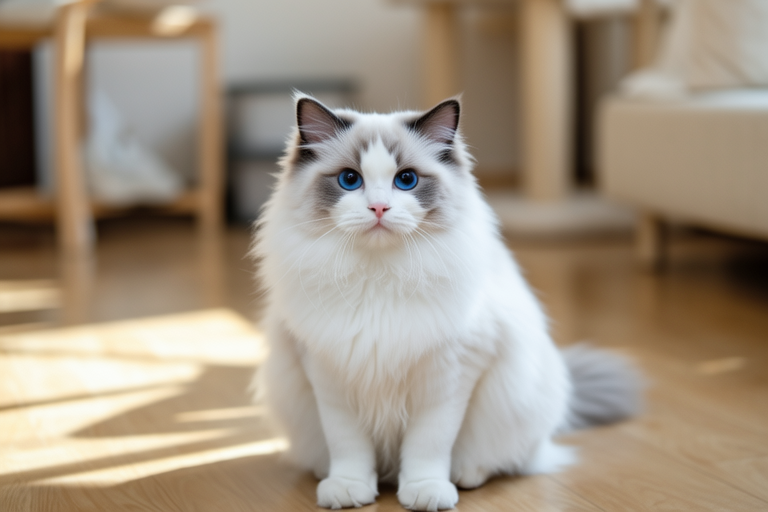
Ragdolls are known for their striking blue eyes, luxurious semi-longhair coats, and docile personalities. They come in a variety of colors and patterns, making them visually appealing as well as emotionally fulfilling companions. One of the most endearing traits of Ragdolls is their tendency to go limp when picked up, reminiscent of a soft, cuddly doll. This characteristic gives the breed its name and showcases their laid-back, relaxed demeanor.
Temperament
Ragdolls are renowned for their sweet, placid temperaments. They are generally calm and easygoing, making them excellent companions for families with children and other pets. Ragdolls are highly social and enjoy spending time with their human family members. They tend to follow their owners around the house and often seek out laps and affectionate interactions. Their patience and gentle nature make them ideal for households where they can be cherished as cherished, loving pets.
Health Considerations
Like any purebred cat, Ragdolls may be prone to certain health issues. Responsible breeding practices can help mitigate some risks, but it’s still important for owners to be aware of potential concerns. Common health issues include hypertrophic cardiomyopathy (HCM), a heart condition that can lead to heart failure, and polycystic kidney disease (PKD), which involves the development of cysts on the kidneys. Regular veterinary check-ups and genetic testing can help monitor and manage these conditions effectively.
Exercise Needs
Despite their laid-back nature, Ragdolls still require regular exercise to maintain their physical and mental well-being. Interactive play sessions with toys like feather wands or laser pointers can stimulate their minds and keep them active. Providing climbing structures and scratching posts encourages natural behaviors and helps prevent boredom. It’s important to engage with your Ragdoll regularly, as this contributes to their overall happiness and health.
Dietary Requirements
A balanced diet is crucial for the health and longevity of your Ragdoll. High-quality cat food that meets their nutritional needs should be provided. Look for food that contains essential nutrients such as protein, fats, vitamins, and minerals. Consult with your veterinarian to determine the appropriate amount and type of food based on your Ragdoll’s age, weight, and activity level. Fresh water should always be available to ensure proper hydration.
Grooming Tips
Ragdolls have semi-longhair coats that require regular grooming to keep them looking their best and prevent matting. Brushing your Ragdoll at least once a week helps remove loose fur and distribute skin oils, promoting a healthy coat. During shedding seasons, more frequent brushing may be necessary. Bathing should be done as needed, usually every few months, to keep their coat clean and shiny. Nail trimming, ear cleaning, and dental hygiene are also important aspects of maintaining your Ragdoll’s grooming routine.
Common Behaviors
Ragdolls are known for their playful yet gentle demeanor. They often enjoy interactive playtime and can be quite curious, exploring their surroundings with a sense of adventure. While they are generally quiet and not overly vocal, they may meow softly to communicate their needs or seek attention. Some Ragdolls may develop specific routines or preferences, such as particular spots they like to nap in or certain times of day when they are most active.
Choosing the Right Vet
Selecting a veterinarian who understands the special needs of Ragdolls is crucial for their long-term health and well-being. Look for a vet who has experience with purebred cats and can provide personalized care tailored to your Ragdoll’s specific requirements. Establishing a relationship with a trusted vet early on ensures that you have a reliable source for medical advice, vaccinations, and routine check-ups. Be sure to ask for recommendations from fellow Ragdoll owners or visit multiple clinics to find the one that best suits your needs.
Training Methods
Training your Ragdoll can be both fun and beneficial. Positive reinforcement techniques, such as treats and praise, work well for encouraging desired behaviors. Clicker training is another effective method that can be used to teach your Ragdoll commands or tricks. Consistency is key when training, so establish clear expectations and reward good behavior consistently. Training not only strengthens the bond between you and your Ragdoll but also helps them become better-adjusted members of your household.
Integrating a Ragdoll into Your Home
Bringing a new Ragdoll into your home requires careful planning to ensure a smooth transition. Create a comfortable and safe space for your new pet, complete with a litter box, food and water bowls, and cozy resting areas. Gradually introduce your Ragdoll to other pets and family members to minimize stress and promote positive interactions. Spend quality time with your new companion to help them feel secure and loved in their new environment.
Conclusion and Further Learning Resources
Adopting a Ragdoll is a rewarding decision that brings joy and companionship into your life. By understanding their unique traits, temperament, health considerations, exercise needs, dietary requirements, grooming tips, and common behaviors, you can provide the best possible care for your new furry friend. As you embark on this exciting journey together, remember that there are many resources available to help you along the way.
For further learning about Ragdoll care, consider joining online forums or local cat clubs dedicated to Ragdolls. Books and articles written by experienced breeders and veterinarians offer valuable insights and practical advice. Additionally, attending workshops or seminars focused on cat care can provide hands-on learning opportunities. With dedication and love, you and your Ragdoll will form a lifelong bond built on trust and mutual affection.
