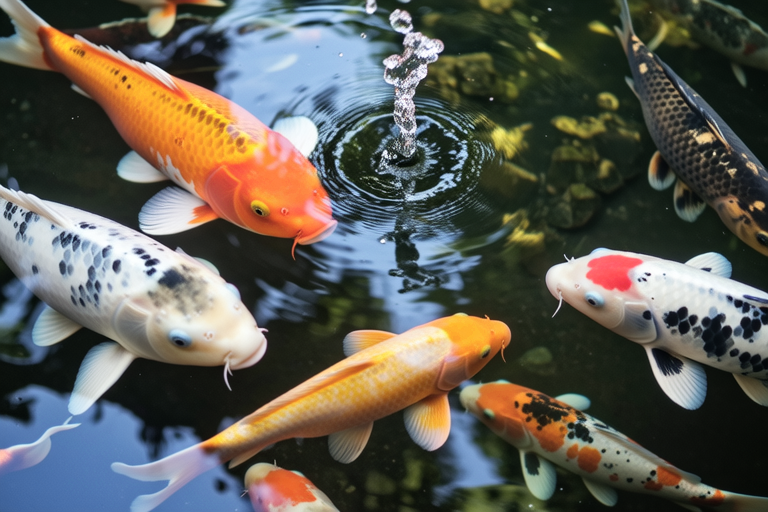
Koi Pond Care 101: Tips for Happy and Healthy Fish
Welcome to Koi Pond Care 101! Whether you’re a beginner or an experienced koi keeper, this comprehensive guide will help ensure your koi fish remain vibrant and healthy. From water quality management to suitable pond design, proper feeding techniques, and seasonal care, we’ll cover everything you need to know to maintain a thriving koi pond.
Water Quality Management
Water quality is the cornerstone of koi pond care. Poor water conditions can lead to stress, disease, and even death in your koi. Maintaining optimal water parameters is crucial for their well-being.
- pH Levels: The pH of your pond water should be between 7.2 and 8.0. Use pH test kits regularly to monitor levels and adjust with appropriate chemicals if necessary.
- Ammonia and Nitrite: These compounds are toxic to koi. Ensure your pond has a functioning biological filter to convert ammonia into less harmful nitrites, then into nitrates.
- Nitrate Levels: While less toxic than ammonia and nitrite, high nitrate levels can still stress fish. Regular water changes are essential to keep nitrates below 50 ppm.
- Water Temperature: Maintain a stable temperature within the range of 68°F to 82°F (20°C to 28°C). Avoid sudden temperature fluctuations, which can cause stress.
- Hardness and Alkalinity: Ensure your water has adequate hardness and alkalinity to support the health of your koi.
Suitable Pond Design
A well-designed koi pond promotes good water circulation, minimizes algae growth, and provides ample space for your fish to swim freely. Consider these factors when designing or choosing a pond:
- Depth: Aim for a minimum depth of 4 feet (1.2 meters) to provide a stable environment and prevent freezing in winter.
- Surface Area: A larger surface area allows for better gas exchange, reducing the risk of oxygen depletion.
- Shading: Planting trees or installing shade structures can help reduce algae growth by limiting sunlight exposure.
- Hiding Spots: Incorporate rocks, plants, and other structures that offer hiding spots for your koi to feel secure.
- Pond Shape: Avoid sharp corners and opt for gentle curves to facilitate water flow and reduce dead zones.
Proper Feeding Techniques
Feeding your koi correctly is essential for their growth and health. Overfeeding can lead to poor water quality and obesity, while underfeeding can cause malnutrition.
- Types of Food: Feed your koi a balanced diet consisting of pellets, flakes, and occasional treats like freeze-dried bloodworms or vegetables.
- Frequency: Feed adult koi twice daily, but only what they can consume in 5 minutes. Adjust feeding frequency during colder months as koi become less active.
- Water Temperature: Avoid feeding when water temperatures drop below 50°F (10°C), as koi’s digestive systems slow down significantly at lower temperatures.
- Variety: Introduce variety into their diet to ensure they receive all necessary nutrients.
Common Health Issues and Prevention
Despite your best efforts, koi may still encounter health issues. Early detection and treatment are key to maintaining their health.
- Fungal Infections: Look for white, cotton-like growths on the fish. Treat with anti-fungal medications and improve water quality.
- Bacterial Infections: Symptoms include red sores, ulcers, or lethargy. Use antibiotics prescribed by a veterinarian.
-
- Parasites: Parasitic infestations can cause flashing (rubbing against objects), fin damage, and loss of appetite. Quarantine affected fish and treat with appropriate medications.
- Swim Bladder Disorders: Koi may experience difficulty swimming due to swim bladder problems. Provide a varied diet rich in fiber to promote digestive health.
Preventative measures include maintaining excellent water quality, quarantining new additions, and avoiding overcrowding.
Seasonal Care
Your koi’s needs change throughout the year, requiring adjustments in care to accommodate different seasons.
- Spring: Perform a thorough cleaning of the pond and equipment. Check for any damage over the winter and prepare for warmer temperatures by increasing feeding.
- Summer: Monitor water quality closely, especially during heatwaves. Increase aeration to prevent oxygen depletion and consider adding floating plants to provide shade.
- Fall: Gradually decrease feeding as temperatures cool. Prepare for winter by ensuring the pond is deep enough to prevent freezing and install heaters if necessary.
- Winter: Reduce feeding further as koi become less active. Keep an eye on ice formation and ensure there’s a hole for gas exchange.
Filtration Systems
A reliable filtration system is vital for maintaining clean, healthy water. Choose a system that suits your pond size and includes mechanical, biological, and chemical filtration.
- Mechanical Filtration: Strains out large debris before it enters the biological filter.
- Biological Filtration: Converts toxic ammonia into less harmful compounds.
- Chemical Filtration: Removes dissolved organic compounds and helps control algae growth.
- UV Sterilization: Kills free-floating bacteria and parasites, reducing the risk of disease.
Regular maintenance of your filtration system ensures it continues to function effectively.
Importance of Regular Maintenance
Regular maintenance is the key to keeping your koi pond in top condition. This includes routine tasks such as cleaning filters, monitoring water quality, and performing partial water changes.
- Weekly Tasks: Test water parameters, clean skimmers, and remove debris from the pond.
- Monthly Tasks: Inspect pumps and filters for wear, perform partial water changes, and check for signs of disease or injury in your koi.
- Seasonal Tasks: Deep clean the pond in spring and prepare for winter by checking heaters and aerators.
Environmental factors such as weather, nearby vegetation, and human activity can also affect water quality. Be mindful of these influences and take steps to mitigate any negative impacts.
By following the advice outlined in this guide, you’ll be well-equipped to provide your koi with the care they need to thrive. Remember, a little effort goes a long way in ensuring your koi pond remains a beautiful and healthy home for your aquatic companions.
