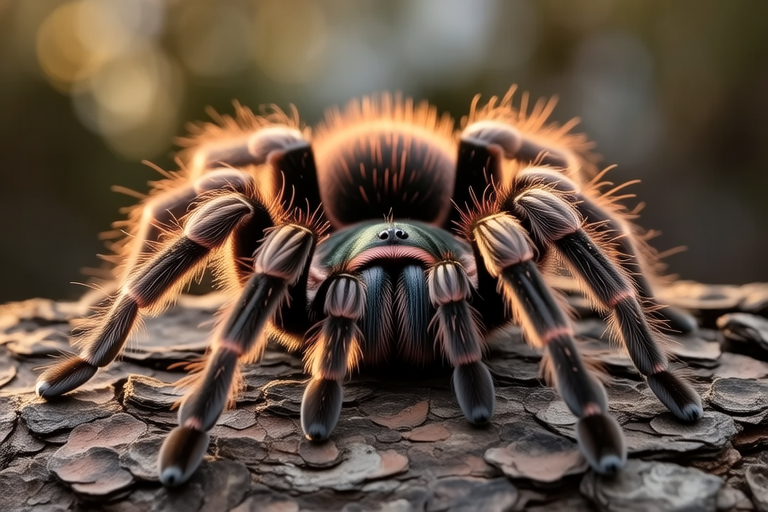
Adorable Facts You Didn’t Know About Your Chilean Rose Tarantula
The Chilean Rose Tarantula (Grammostola rosea) is one of the most popular choices among tarantula enthusiasts due to its docile temperament and ease of care. These fascinating creatures have many unique characteristics that make them not only suitable but also delightful pets. This article delves into some adorable facts about your Chilean Rose Tarantula, offering insights into their behavior, care, and lesser-known quirks.
A Gentle Giant: Understanding the Docile Nature of Chilean Rose Tarantulas
One of the most appealing aspects of the Chilean Rose Tarantula is its gentle demeanor. Unlike some other species that might be more aggressive, these spiders rarely bite and are known for their calm and patient nature. They are less likely to display defensive behaviors unless they feel truly threatened. This makes them ideal for handling and interaction, provided you handle them with care and respect.
Owners often report that their Chilean Rose Tarantulas seem to enjoy being held gently. However, it’s important to note that each spider has its own personality, so what works for one may not work for another. Always approach your tarantula with caution and ensure that handling is done infrequently and carefully.
Unique Characteristics of Chilean Rose Tarantulas
Chilean Rose Tarantulas possess several distinctive features that set them apart from other tarantulas. One of the most striking is their coloration. When young, they have a pinkish hue that gradually darkens to a reddish-brown as they mature. This color change is not just aesthetically pleasing but also serves as a form of camouflage in their natural environment.
Another unique characteristic is their ability to live in burrows. In the wild, Chilean Rose Tarantulas create intricate underground homes that protect them from predators and harsh weather conditions. As pets, they still exhibit this behavior, often digging deep into substrate to create a cozy retreat.
These tarantulas also have an impressive set of hairs on their legs and abdomen, which they can release when threatened. Known as urticating hairs, these tiny barbs irritate the skin and eyes of potential predators, providing a defense mechanism without the need for biting.
Behavioral Traits and Interesting Trivia
Chilean Rose Tarantulas are nocturnal creatures, meaning they are most active during the night. During the day, they prefer to rest in their burrows or hide under objects within their enclosure. Observing their nighttime activities can be a thrilling experience for pet owners, as these spiders move gracefully and efficiently in search of prey.
Did you know that Chilean Rose Tarantulas can live up to 20 years? This longevity makes them a long-term companion for those who appreciate the commitment of caring for such a unique pet. Their lifespan is largely influenced by proper care, including appropriate diet, habitat, and handling.
Interestingly, these tarantulas can also regenerate lost limbs. If a leg is lost, it will regrow over time, though the process can take several molts. This regenerative ability is a testament to the resilience of these remarkable creatures.
Care Tips for Chilean Rose Tarantulas
Proper care is essential for the health and well-being of your Chilean Rose Tarantula. The first step is creating an appropriate habitat. A terrarium with a secure lid is necessary to prevent escapes. The enclosure should be large enough to allow for movement and the creation of a burrow. A substrate of coconut fiber or bark chips is recommended, as it retains moisture and allows for burrowing.
Temperature and humidity are crucial factors in maintaining a healthy environment. Chilean Rose Tarantulas thrive in temperatures between 75°F and 85°F (24°C to 29°C) and humidity levels around 60%. Providing a shallow water dish and misting the enclosure occasionally can help maintain the right humidity levels.
Dietary preferences of Chilean Rose Tarantulas include crickets, mealworms, and occasional dubia roaches. It’s important to offer appropriately sized prey; a good rule of thumb is that the prey should not exceed half the width of the tarantula’s body. Feeding should occur once every 7 to 10 days, depending on the age and size of the spider.
Handling your tarantula should be done with care. Always wash your hands before and after handling to avoid transferring oils or chemicals that could harm the spider. Gently scoop the tarantula from its enclosure, supporting its entire body to avoid any stress or injury.
Handling and Interaction with Your Chilean Rose Tarantula
While Chilean Rose Tarantulas are generally docile, it’s important to handle them with care. Start by allowing your tarantula to become comfortable in its new home before attempting to handle it. Gradually introduce handling sessions, keeping them short and gentle to ensure your spider remains at ease.
When holding your tarantula, support its entire body, especially the abdomen, to prevent accidental damage. Avoid squeezing or pinching, as this can cause stress or injury. Always return your tarantula to its enclosure after handling to give it time to rest.
Some owners find that their tarantulas respond positively to gentle stroking or petting. While this can be a rewarding experience, it’s important to observe your tarantula’s reactions and stop if it shows signs of discomfort or agitation.
Health and Wellness for Your Pet Tarantula
Maintaining the health of your Chilean Rose Tarantula involves regular monitoring and care. Check for signs of illness such as lethargy, refusal to eat, or unusual behavior. Common issues include mite infestations and respiratory problems, both of which require prompt attention.
Regular cleaning of the enclosure is also vital. Remove uneaten prey and replace substrate as needed to prevent the buildup of harmful bacteria. Pay attention to the condition of your tarantula’s exoskeleton, particularly after molting, as this is a vulnerable period.
Veterinary care for tarantulas is limited, but there are specialists who can provide advice and treatment for serious issues. Regular consultation with a knowledgeable veterinarian can help ensure your tarantula remains healthy and happy.
Conclusion: Cherishing Your Chilean Rose Tarantula
Chilean Rose Tarantulas are captivating creatures with a wealth of unique traits and behaviors. Their docile nature, coupled with their ease of care, makes them an excellent choice for both novice and experienced pet owners. By understanding their needs and providing a nurturing environment, you can enjoy the companionship of these delightful arachnids for many years to come.
Whether you’re a seasoned tarantula owner or considering your first pet spider, the Chilean Rose Tarantula offers a fascinating and rewarding experience. Embrace the opportunity to learn more about these incredible creatures and cherish the bond you share with your pet.
