Top 10 Myths About Red-Eared Sliders You Need to Know Before Adopting One
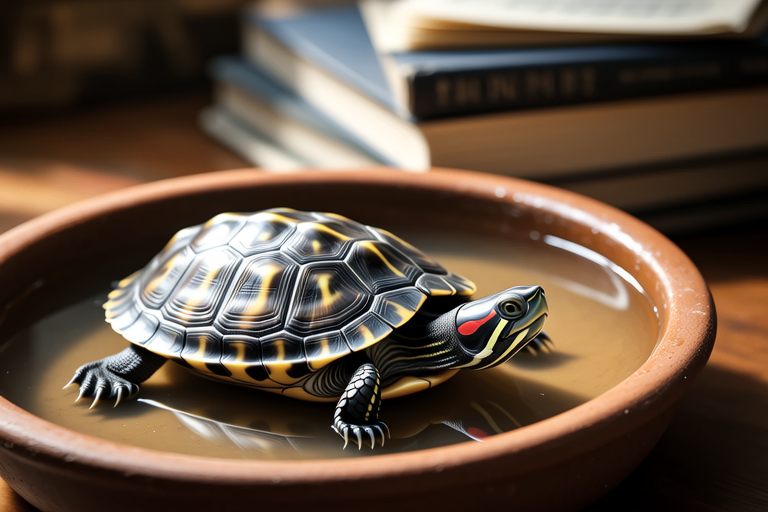
Red-eared sliders (Trachemys scripta elegans) are among the most popular pet turtles worldwide. Known for their distinctive red stripes behind their eyes, these semi-aquatic turtles can be found in various habitats, from freshwater lakes to ponds. Their adaptability and relatively low maintenance have made them a favorite among turtle enthusiasts. However, before adopting one, it’s crucial to dispel common myths and understand the true nature of their care requirements.
Myth 1: Red-Eared Sliders Are Low-Maintenance Pets
Myth: Red-eared sliders are easy to care for and require minimal attention.
Fact: While red-eared sliders may seem simple to care for, they actually have specific needs that must be met to ensure their health and longevity. They require large aquariums or outdoor ponds, proper filtration systems, UVB lighting, and a balanced diet. Regular cleaning and monitoring of water quality are also essential to prevent diseases.
Myth 2: Red-Eared Sliders Can Be Kept in Small Tanks
Myth: A small tank is sufficient for a red-eared slider.
Fact: Red-eared sliders need ample space to swim and bask. The general rule is to provide at least 10 gallons of water per inch of shell length for swimming space, plus additional space for basking. As they grow, their tank or pond requirements increase significantly, making it necessary to plan for future growth.
Myth 3: Red-Eared Sliders Don’t Need UVB Lighting
Myth: These turtles can get all the vitamin D they need from their food.
Fact: Red-eared sliders require UVB light to synthesize vitamin D3, which is crucial for calcium absorption and bone health. Without adequate UVB exposure, they can develop metabolic bone disease, leading to deformities and other health issues. Providing a high-quality UVB lamp is essential for their well-being.
Myth 4: Red-Eared Sliders Can Live in Cold Water
Myth: These turtles thrive in cold environments.
Fact: Red-eared sliders are native to warm climates and prefer water temperatures between 75°F and 80°F. Temperatures below this range can cause lethargy, decreased appetite, and increased susceptibility to infections. Maintaining a suitable water temperature is vital for their health.
Myth 5: Red-Eared Sliders Are Social Creatures
Myth: These turtles enjoy interacting with humans and other animals.
Fact: While red-eared sliders can become accustomed to handling, they are generally solitary creatures. They do not seek social interactions like dogs or cats. Handling should be limited to minimize stress and potential injury to both the handler and the turtle.
Myth 6: Red-Eared Sliders Only Eat Turtle Food
Myth: Commercial turtle food is all they need.
Fact: A balanced diet for red-eared sliders includes a variety of foods such as commercial turtle pellets, leafy greens, vegetables, fruits, and occasional protein sources like insects or fish. Over-reliance on commercial food can lead to nutritional deficiencies. It’s important to provide a diverse diet to ensure optimal health.
Myth 7: Red-Eared Sliders Don’t Require Basking Areas
Myth: They can stay submerged all day.
Fact: Red-eared sliders need dry land areas where they can bask under UVB light to regulate their body temperature and aid digestion. Lack of a proper basking area can result in respiratory problems and poor shell health.
Myth 8: Red-Eared Sliders Have a Short Lifespan
Myth: These turtles only live for a few years.
Fact: With proper care, red-eared sliders can live up to 30 years or more. This longevity underscores the importance of understanding their care requirements and being prepared for a long-term commitment.
Myth 9: Red-Eared Sliders Are Easy to Breed
Myth: Breeding these turtles is straightforward.
Fact: Breeding red-eared sliders requires careful planning and specific environmental conditions, including appropriate temperature cycles and nesting areas. Unintentional breeding can lead to overpopulation and environmental issues, especially if released into non-native habitats.
Myth 10: Red-Eared Sliders Make Great First Pets for Children
Myth: These turtles are ideal for kids to take care of.
Fact: While red-eared sliders can be fascinating pets, they are not recommended for young children due to the complexity of their care requirements. Responsibility for their care should fall primarily on adults who can ensure their well-being.
Conclusion: Responsible Pet Ownership for Red-Eared Sliders
Adopting a red-eared slider is a significant commitment that requires knowledge, dedication, and resources. Understanding the myths surrounding these turtles is the first step towards responsible pet ownership. By providing the right environment, nutrition, and care, you can ensure your red-eared slider leads a healthy and fulfilling life. Remember, the bond you share with your turtle will span many years, so make sure you’re prepared for the long-term commitment.
