The Ultimate Guide to Tarantula Care for First-Time Owners
Welcome to your comprehensive guide on how to care for tarantulas as a first-time owner. This guide will cover everything from selecting the right species to understanding their feeding habits and health monitoring. We’ll also address common myths and provide practical advice to ensure you create a safe and comfortable environment for your pet.
Selecting the Right Tarantula Species
Choosing the right tarantula species is crucial for your pet’s well-being and your ability to care for it. Consider the following factors:
- Size: Some species grow very large, while others remain small. Large tarantulas can be intimidating, so choose a smaller species if you’re unsure.
- Temperament: Some tarantulas are more docile than others. Research different species to find one that suits your personality and comfort level.
- Environment: Some species require specific temperature and humidity levels. Make sure you can maintain these conditions.
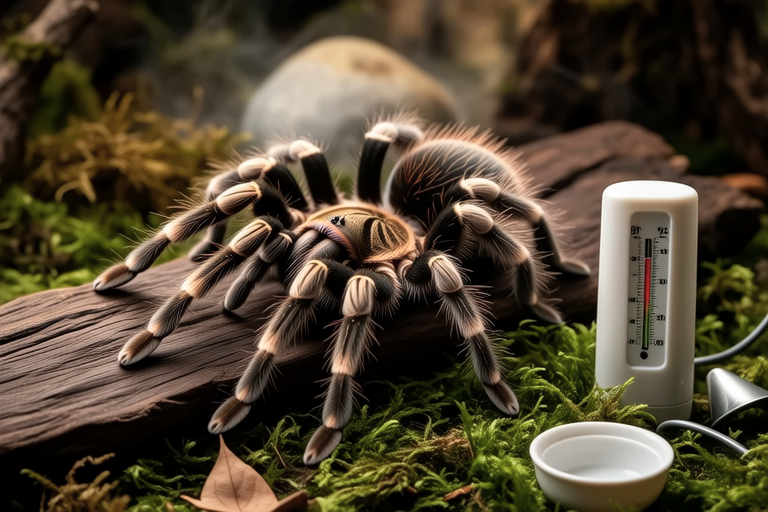
A popular choice for beginners is the Chilean rose tarantula due to its relatively docile nature and ease of care.
Setting Up the Ideal Housing
Your tarantula’s enclosure should mimic its natural habitat. Here’s what you need:
- Container: Use a glass or plastic tank with a secure lid to prevent escapes.
- Substrate: Provide a layer of substrate, such as coconut fiber or peat moss, at least two inches deep. This allows your tarantula to burrow.
- Hiding spots: Include cork bark, logs, or other items for your tarantula to hide under.
- Water dish: A shallow water dish should be provided for drinking.
Ensure there’s enough ventilation while keeping the lid secure. Avoid overcrowding the enclosure with too many decorations, which can stress your tarantula.
Temperature and Humidity Requirements
Maintaining the correct temperature and humidity levels is vital for your tarantula’s health. Research your chosen species’ needs before setting up the enclosure.
- Temperature: Most tarantulas prefer temperatures between 75°F and 85°F (24°C to 29°C).
- Humidity: Maintain humidity levels between 60% and 80%, depending on the species.
Use a thermometer and hygrometer to monitor these conditions regularly. Adjust heating elements or mist the enclosure as needed to stay within the recommended range.
Feeding Habits
Tarantulas are carnivorous and eat live insects, such as crickets and mealworms. Feed your tarantula once or twice a week, offering prey items no larger than half the width of its body.
- Variety: Offer a variety of prey items to ensure balanced nutrition.
- Dust: Dust prey with calcium and vitamin supplements to support your tarantula’s health.
- Handling: Never feed your tarantula by hand. Use tongs to place food items into the enclosure.
Remove uneaten prey after 24 hours to prevent it from harming your tarantula.
Handling Techniques
Handling tarantulas requires caution and practice. Follow these steps to safely handle your pet:
- Wash your hands thoroughly before handling.
- Gently coax your tarantula out of its hiding spot using a stick or spoon.
- Support your tarantula’s abdomen with one hand while gently holding its legs with the other.
- Handle your tarantula only when necessary, as excessive handling can cause stress.
If your tarantula becomes agitated during handling, return it to its enclosure immediately.
Health Monitoring
Regularly check your tarantula for signs of illness or injury. Common issues include:
- Limping: Indicates an injury, possibly from struggling against the enclosure’s lid.
- Loss of appetite: Could signal an underlying health issue.
- Abnormal behavior: Such as lethargy or aggression.
If you notice any of these signs, consult a veterinarian specializing in exotic pets.
Common Myths About Tarantulas
Many misconceptions surround tarantulas. Here are some truths:
- They’re aggressive: Most tarantulas are shy and prefer to avoid confrontation.
- They’re venomous: While tarantulas have venom, it’s generally not harmful to humans. However, allergic reactions can occur.
- They’re messy: Tarantulas are actually quite clean animals.
Understanding these myths can help you better appreciate your pet and provide proper care.
Potential Pitfalls and Solutions
New owners often face challenges. Here are some common pitfalls and solutions:
- Incorrect housing: Ensure the enclosure mimics the tarantula’s natural habitat. If your tarantula isn’t thriving, consider adjusting the setup.
- Inadequate feeding: Provide a varied diet and remove uneaten prey to prevent harm. Consult a veterinarian if your tarantula loses interest in food.
- Overhandling: Limit handling sessions to reduce stress. Always support your tarantula properly during handling.
By being mindful of these potential issues, you can provide a healthy and happy environment for your tarantula.
Creating a Safe and Comfortable Environment
To create a safe and comfortable environment for your tarantula, follow these tips:
- Secure enclosure: Ensure the lid is secure to prevent escapes.
- Safe substrate: Use non-toxic, easily digestible substrate that allows for burrowing.
- Proper lighting: Avoid direct sunlight, which can overheat the enclosure.
A well-maintained enclosure ensures your tarantula remains healthy and content.
Responsibility and Long-Term Commitment
Owning a tarantula is a significant responsibility. These animals can live for 10 to 30 years, depending on the species. Before committing, ensure you can provide consistent care and a suitable environment for your pet’s entire life.
Remember, tarantulas are fascinating creatures that can make wonderful pets. With proper care and attention, you can enjoy a rewarding relationship with your arachnid companion.
