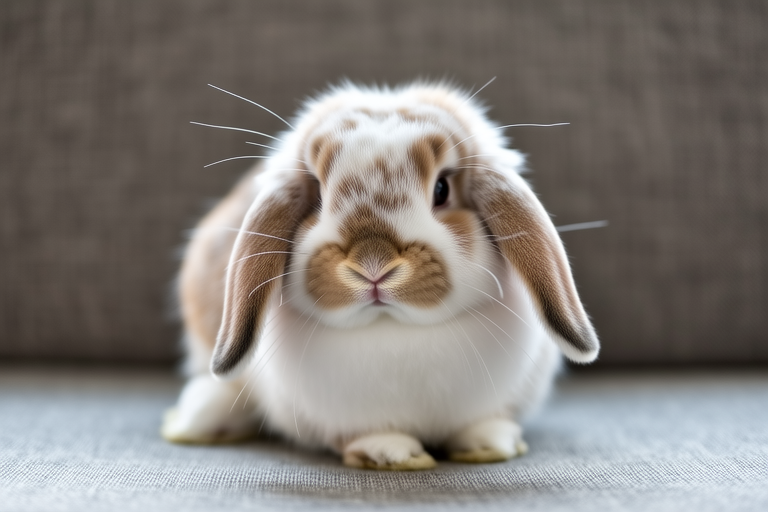
Lop Rabbits Unveiled: Caring for Your New Fuzzy Friend
Welcome to the delightful world of lop rabbits! These gentle, affectionate creatures have captured the hearts of many pet lovers with their unique appearance and charming personalities. Whether you’re a seasoned rabbit owner or just starting out, this guide will help you understand and care for your new fuzzy friend. From their distinctive physical features to essential care tips, we’ve got you covered.
Unique Physical Characteristics
Lop rabbits are known for their long, drooping ears that can reach up to 6 inches in length. This characteristic gives them a distinctively adorable and endearing look. Their ears, which often hang down by their cheeks, are a result of a genetic mutation that causes cartilage to soften, making them droop. Lops come in various sizes, from the small Miniature Lop to the larger Standard Lop. They also sport a wide range of coat colors and patterns, adding to their appeal.
In addition to their signature ears, lop rabbits have soft, dense fur that requires regular grooming. Their bodies are sturdy and compact, well-suited for hopping and exploring their environment. Their expressive eyes and gentle demeanor make them irresistible companions.
Dietary Needs
A balanced diet is crucial for maintaining your lop rabbit’s health and vitality. Lop rabbits are herbivores, primarily eating hay, fresh vegetables, and a limited amount of pellets. Timothy hay or orchard grass hay should make up the bulk of their diet, as it aids digestion and supports dental health. Fresh water should always be available.
Vegetables such as carrots, spinach, and broccoli can be offered in moderation. Be cautious with fruits due to their high sugar content. Pellets formulated for rabbits should be provided in small quantities, as overfeeding can lead to obesity and other health issues.
Remember, sudden changes in diet can cause digestive upset, so introduce new foods gradually. Consult your veterinarian for specific dietary recommendations based on your rabbit’s age, size, and overall health.
Housing Requirements
Creating a comfortable and safe living space for your lop rabbit is essential. A spacious hutch or indoor cage should provide enough room for your rabbit to move around, stretch, and play. The hutch should have a solid floor to prevent injury from wire flooring, and it should be easy to clean. The bedding material should be absorbent and non-toxic, like shredded paper or straw.
Ensure the hutch has adequate ventilation and protection from extreme weather conditions. Provide hiding spots and toys to stimulate your rabbit’s natural instincts. A litter box can encourage proper waste management and keep the living area clean. Regular cleaning of the hutch is necessary to maintain hygiene and prevent the spread of diseases.
Grooming Essentials
Regular grooming is vital for your lop rabbit’s health and happiness. Their soft, dense fur requires brushing at least once a week to remove loose hair and prevent matting. Use a slicker brush or comb designed for rabbits. During shedding season, you may need to groom more frequently.
Bathing is generally unnecessary unless your rabbit gets very dirty. If bathing is required, use a gentle, rabbit-safe shampoo and ensure thorough rinsing to avoid skin irritation. After bathing, dry your rabbit completely to prevent chills.
Trimming nails regularly helps prevent overgrowth and discomfort. Consult a veterinarian if you’re unsure how to do this safely. Teeth trimming may also be necessary, but this should only be done by a professional, as improper trimming can cause serious harm.
Health Concerns
Like all pets, lop rabbits are susceptible to certain health issues. Common problems include dental disease, gastrointestinal stasis, and respiratory infections. Regular veterinary check-ups can help catch potential issues early.
Signs of dental disease include difficulty eating, drooling, and weight loss. Gastrointestinal stasis occurs when the digestive system slows down, leading to bloating and lack of appetite. Respiratory infections may manifest as sneezing, coughing, or discharge from the nose or eyes.
To promote good health, provide a balanced diet, ample exercise, and a stress-free environment. Avoid overcrowding and poor hygiene, which can contribute to illness. Early intervention is key to managing health issues effectively.
Tips for Socializing Your Lop Rabbit
Lop rabbits are naturally curious and social animals that thrive on interaction. Introduce your rabbit to new people and environments gradually to build trust. Positive reinforcement through treats and praise can encourage good behavior.
Spend time handling your rabbit gently, allowing them to get used to being held. Offer toys and activities to stimulate their minds and bodies. Supervised playtime outside the hutch allows for exploration and bonding.
Consider adopting another rabbit for companionship, but ensure they are properly introduced to avoid aggressive behavior. Always supervise interactions between rabbits to prevent injuries.
Dispelling Myths About Lop Rabbits
One common myth is that rabbits require minimal care. While they are relatively low-maintenance compared to some pets, they still need attention, proper nutrition, and regular health checks. Another misconception is that rabbits are nocturnal. In reality, they are crepuscular, meaning they are most active during dawn and dusk.
Some people believe that rabbits can live outdoors year-round. However, indoor living provides better protection from predators, harsh weather, and diseases. Finally, it’s a myth that rabbits are strictly indoor pets. With the right precautions, they can enjoy supervised outdoor time in a secure enclosure.
Conclusion
Caring for a lop rabbit is a rewarding experience that brings joy and companionship into your life. By understanding their unique needs and providing appropriate care, you can ensure your furry friend leads a healthy, happy life. Remember, each rabbit is an individual with its own personality and preferences, so tailor your approach accordingly. Enjoy the bond you share with your lop rabbit, and cherish the moments spent together.
