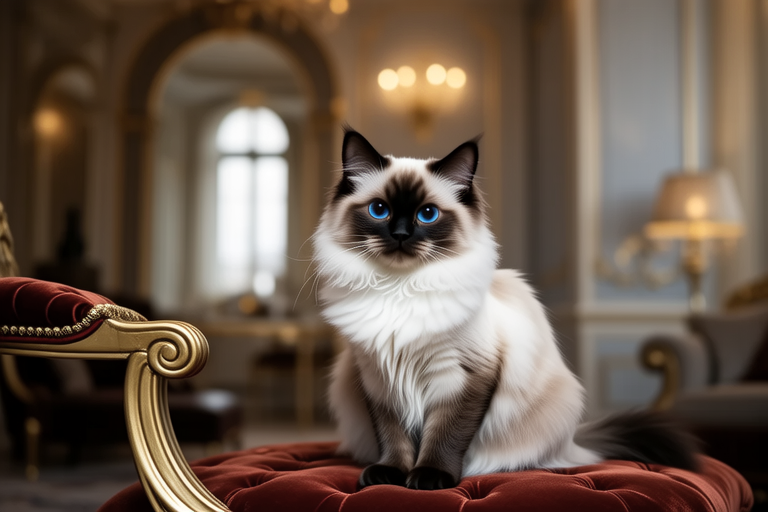
The Historical Journey of Siamese Cats
Introduction: The Siamese cat, with its distinctive blue almond-shaped eyes, striking point coloration, and sleek physique, has captured the hearts of cat lovers around the world. Originating from the royal palaces of Siam, now known as Thailand, these elegant felines have evolved from exclusive pets of nobility to beloved companions in modern homes. This article delves into the historical origins, cultural significance, and evolution of Siamese cats, highlighting their enduring popularity and the changes in their breeding over time.
Historical Origins and Royal Status
The Siamese cat has a rich history that dates back centuries. Originally bred in the royal palaces of Siam, these cats were considered sacred and were often kept as companions for royalty and nobility. According to legend, Siamese cats were entrusted with guarding valuable objects such as royal scepters and religious artifacts. It was believed that they would curl their tails protectively around these treasures, ensuring their safety. This sacred duty endowed Siamese cats with a revered status, making them an integral part of royal life.
The first documented evidence of Siamese cats outside of Siam comes from the 16th century, when a Portuguese envoy described the cats as having “a body of a small tiger” and “eyes of a lynx.” In the 1870s, King Rama V of Siam gifted several Siamese cats to the British aristocracy, marking the beginning of their international recognition. These gifts sparked considerable interest among European nobility, who were captivated by the unique appearance and vocal nature of the cats.
Evolution from Royal Pets to Modern Companions
As the Siamese cat gained popularity in Europe, it began to transition from a royal pet to a more widespread companion animal. By the late 19th century, Siamese cats had made their way into the homes of wealthy Europeans and Americans. Their striking appearance and affectionate nature made them ideal pets for those seeking a luxurious and exotic addition to their households.
In the early 20th century, the Siamese cat became one of the most popular breeds in Britain and the United States. Breeders began to refine the characteristics of the Siamese, focusing on enhancing their physical attributes and temperament. This period saw the development of the modern Siamese, characterized by its slender build, large ears, and expressive blue eyes. The breed’s popularity continued to grow, and by the mid-20th century, Siamese cats had become fixtures in many homes across the globe.
Key Traits Contributing to Popularity
The Siamese cat’s enduring popularity can be attributed to several key traits. One of the most notable is their vocal nature. Siamese cats are known for being talkative and communicative, often engaging in conversations with their owners through a series of chirps, meows, and trills. This vocal behavior, while sometimes challenging for new owners, adds to the breed’s charm and makes them highly interactive pets.
Another significant trait is their striking appearance. The Siamese cat’s pointed coloration, where the extremities (ears, paws, tail, and face) are darker than the rest of the body, is a result of a temperature-sensitive gene. This gene causes the darker pigmentation to develop in cooler areas of the body, creating the distinctive contrast. The breed’s sleek, muscular build and graceful movements further contribute to its elegance and appeal.
Intelligence is another factor that has contributed to the Siamese cat’s enduring popularity. These cats are known for their problem-solving abilities and curiosity, often finding ways to entertain themselves and their owners. Their intelligence also makes them trainable, allowing them to learn tricks and commands with relative ease. This combination of traits has made the Siamese cat a favorite among cat enthusiasts and pet owners alike.
Changes in Breeding Over Time
The evolution of the Siamese cat has been marked by significant changes in breeding practices. In the early days of breeding, there was little standardization, and cats were selected based on their appearance and personality rather than specific genetic traits. As the breed gained popularity, breeders began to focus on refining certain characteristics, such as the cat’s body type, ear size, and eye shape.
One notable change in breeding occurred in the mid-20th century when some breeders sought to create a more extreme version of the Siamese cat. This led to the development of the “Modern Siamese,” which features an even slimmer body, larger ears, and a longer, more angular head. While this version of the Siamese cat remains popular, others prefer the “Traditional Siamese,” which retains more of the breed’s original characteristics, including a rounder head and shorter body.
The diversity in breeding practices has resulted in two distinct types of Siamese cats: the Traditional Siamese and the Modern Siamese. Both types are recognized by major cat registries, and each has its own set of admirers. The choice between the two often depends on personal preference and the specific traits that owners value in their pets.
Cultural Impact and Anecdotes
The Siamese cat has had a profound cultural impact, both in its native land and abroad. In Thailand, the cat continues to be regarded with reverence, and stories about their guardianship of royal artifacts persist. One famous anecdote involves a Siamese cat named Sinh, who is said to have guarded a sacred image of Buddha for over 40 years. When the cat died, it was discovered that its tail had curled around the statue, leaving an imprint in the shape of a cat’s tail. This story, while apocryphal, highlights the deep cultural significance of Siamese cats in Thai folklore.
In Western culture, the Siamese cat has appeared in numerous works of literature, film, and television. One of the most famous examples is the character of Siamese cats in Disney’s animated film The Aristocats, released in 1970. The film features a pair of scheming Siamese cats named Berlioz and Toulouse, who plot to steal their owner’s fortune. While the portrayal of the cats in the film is somewhat negative, it helped to introduce the breed to a wider audience and solidified its place in popular culture.
Future of the Siamese Cat in Contemporary Society
The future of the Siamese cat within contemporary society is likely to be influenced by trends in pet ownership and breeding practices. As more people seek companionship and emotional support from their pets, the demand for affectionate and interactive cats like the Siamese is expected to remain strong. Additionally, advancements in veterinary medicine and genetics may lead to further refinement of the breed, addressing potential health issues and enhancing desirable traits.
Breeding practices will continue to evolve, with breeders focusing on maintaining the unique characteristics of both the Traditional and Modern Siamese. There may also be increased interest in preserving the breed’s historical roots and cultural significance, leading to greater emphasis on breeding programs that emphasize the original qualities of the Siamese cat.
In conclusion, the Siamese cat has come a long way from its origins in the royal palaces of Siam. From sacred guardians to beloved companions, these elegant felines have captured the hearts of people around the world. Their unique traits, combined with their rich history and cultural significance, ensure that the Siamese cat will continue to hold a special place in the hearts of cat lovers for generations to come.
