Hermit Crab Care Guide: Everything You Need to Know
Welcome to your comprehensive guide on how to care for hermit crabs! Whether you’re a first-time owner or an experienced enthusiast, this guide will provide you with all the necessary information to ensure your hermit crabs live long, happy lives.
Hermit Crab Anatomy
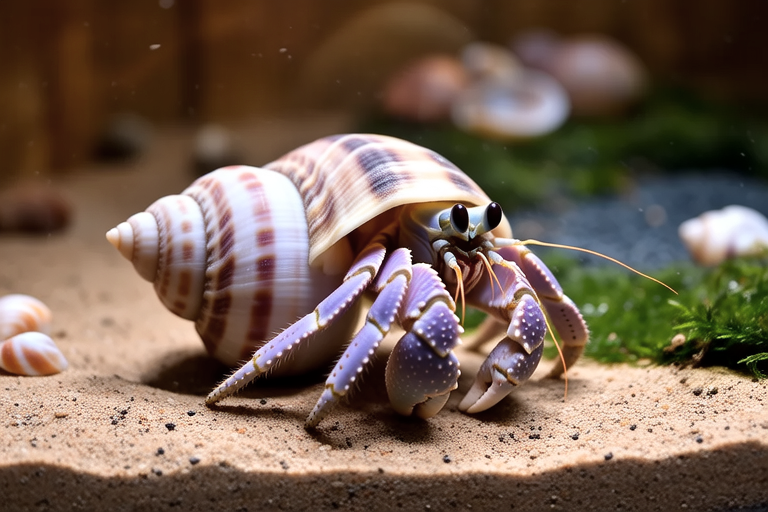
Understanding the anatomy of hermit crabs is crucial for providing them with proper care. Hermit crabs have a soft, vulnerable abdomen that they protect by living in discarded shells. Their bodies consist of a head, thorax, abdomen, and several pairs of legs. The front pair of legs are equipped with claws, one of which is usually larger than the other. These claws serve multiple purposes, including defense, grooming, and feeding. Hermit crabs also have two sets of antennae; the longer ones are used for sensing their surroundings, while the shorter ones help them touch and taste.
Habitat Setup
Substrate
The substrate is the base material in the tank where your hermit crabs can dig and bury themselves. A mix of sand and coconut fiber works well. Avoid using playground sand, as it can cause impaction if ingested. Instead, opt for fine-grade sand or crushed coral. Ensure the substrate is deep enough for your crabs to burrow comfortably, typically about 4-6 inches deep.
Water Dish
Hermit crabs need both fresh and saltwater dishes. Freshwater is essential for drinking and bathing, while saltwater is necessary for maintaining the humidity levels within the shell. Use dechlorinated water for both types of dishes. Change the water regularly to prevent bacterial growth.
Hiding Spots
Providing ample hiding spots is vital for your hermit crabs’ well-being. They need places to retreat from light and feel secure. Offer a variety of shells, cork bark, and small caves. Make sure there are enough hiding spots for each crab to have its own space, especially during the day when they are less active.
Diet and Feeding Habits
Hermit crabs are omnivores, meaning they eat both plant and animal matter. A balanced diet includes fruits, vegetables, protein sources, and occasional treats like fish flakes or mealworms. Feed them small portions daily, removing any uneaten food after 24 hours to prevent spoilage. Always provide a calcium source, such as cuttlebone or crushed eggshells, to support their exoskeleton health.
Temperature and Humidity Requirements
Maintaining the correct temperature and humidity levels is crucial for your hermit crabs’ health. The ideal temperature range is between 70-80°F (21-27°C). Use a thermometer to monitor the temperature and adjust accordingly. The humidity level should be kept at around 70-80%. This can be achieved by misting the enclosure regularly and ensuring there are plenty of water dishes.
Health Issues
Common health issues in hermit crabs include shell rot, molting problems, and parasitic infections. Shell rot occurs when the shell becomes infected, often due to poor hygiene or inadequate humidity. Regularly check your crabs’ shells and clean them as needed. Molting problems may arise if the humidity is too low or the substrate isn’t suitable for digging. Parasites can be introduced through contaminated food or water. Always quarantine new crabs before introducing them to your existing colony.
Molting Process
Molting is a natural process where hermit crabs shed their exoskeleton to grow. During this time, they become more sensitive and require extra care. Provide a shallow dish filled with dechlorinated water for them to soak in, and ensure the humidity remains high. Do not disturb them during this period. Once they have molted, they will need to eat the old exoskeleton to replenish lost minerals.
Choosing the Right Tank Mates
When selecting tank mates for your hermit crabs, consider species compatibility and size differences. Some compatible species include hermit crabs of the same species, dwarf African frogs, and certain snail species. Avoid keeping hermit crabs with aggressive or predatory animals like bettas or crayfish. Additionally, ensure there is enough space and resources for all inhabitants to avoid competition.
Tips for Handling and Interacting Safely
Handling hermit crabs gently and frequently is important for their socialization and health. Always wash your hands before and after handling them to prevent the spread of bacteria. Support their body fully when picking them up, and avoid grabbing them by the claws or antennae. Spend time with your crabs every day to build trust and strengthen your bond. Remember, hermit crabs are nocturnal creatures, so they may be more active and easier to interact with during the evening.
In conclusion, taking care of hermit crabs requires attention to detail and a commitment to providing them with a healthy environment. By following the guidelines outlined in this care guide, you’ll be well-equipped to meet the needs of these fascinating creatures and enjoy a rewarding relationship with them.
