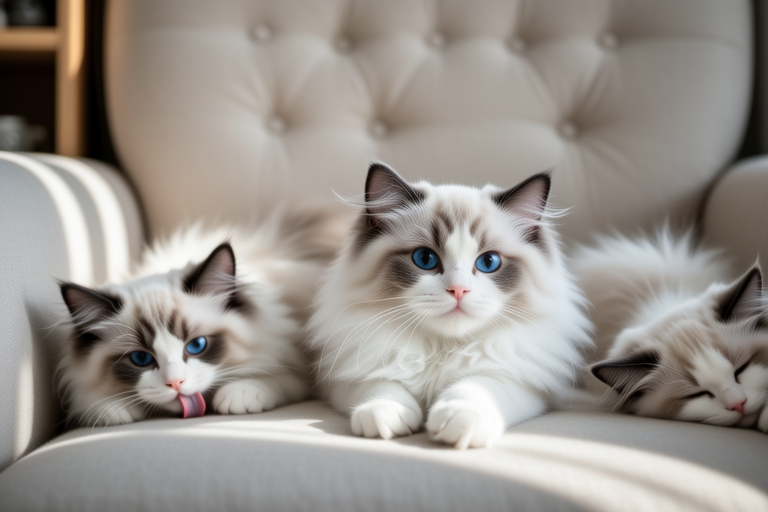
From Couch Potatoes to Lap Lovelies: The Cozy World of Ragdoll Cats
Welcome to the enchanting world of Ragdoll cats, a breed that has captured the hearts of cat lovers worldwide. Known for their affectionate nature, gentle demeanor, and exceptional suitability as lap cats, Ragdolls are often referred to as “couch potatoes” due to their laid-back personalities. In this article, we will delve into the unique traits of these delightful creatures, exploring their origins, physical characteristics, ideal living conditions, and much more. We’ll also discuss their health, grooming needs, dietary requirements, behavior, and how they interact with children and other pets. By the end, you’ll understand why Ragdoll cats make excellent companions for families seeking a calm, loving feline friend.
The Origins of Ragdoll Cats
Ragdoll cats were first developed by Ann Baker, a breeder from Riverside, California, in the early 1960s. She selectively bred a long-haired white female cat named Josephine with several male cats of diverse backgrounds. The result was a strikingly beautiful and affectionate breed known for its docile nature and love for human company. Over time, the breed gained popularity, and today, Ragdolls are cherished for their unique combination of looks and temperament.
Physical Characteristics
Ragdolls are large, semi-longhaired cats with a distinctive appearance. They have a broad chest, muscular build, and a well-balanced body structure. Their heads are wedge-shaped, adorned with large, expressive blue eyes that add to their captivating charm. Ragdolls come in various colors and patterns, including seal, chocolate, blue, lilac, and flame points. Their coats are soft and silky, requiring regular grooming to maintain their luxurious appearance.
Gentle Demeanor and Affectionate Nature
One of the most endearing qualities of Ragdoll cats is their gentle demeanor. These cats are known for their relaxed and peaceful nature, making them perfect for households seeking a calm companion. Ragdolls are exceptionally affectionate and thrive on human interaction. They enjoy being petted, cuddled, and carried around, often described as “lap cats” due to their tendency to curl up comfortably in their owner’s arms. Their affectionate nature extends beyond their owners; Ragdolls are also friendly towards visitors and can easily adapt to new environments.
Ideal Living Conditions
Ragdolls are adaptable cats that can thrive in various living conditions, but they do best in a calm and stable environment. They appreciate a quiet space where they can relax and feel safe. A cozy bed or designated resting area is essential for their comfort. While they can adapt to apartment living, providing them with plenty of vertical spaces, such as cat trees or shelves, allows them to explore and play. Regular interaction and attention from their owners help ensure their happiness and well-being.
Common Health Issues
Like all breeds, Ragdolls are prone to certain health issues. Hypertrophic cardiomyopathy (HCM), a condition affecting the heart muscle, is one of the most significant concerns. Regular veterinary check-ups and genetic testing can help identify and manage this condition. Additionally, Ragdolls may be susceptible to polycystic kidney disease (PKD) and patellar luxation, a joint disorder. Maintaining a healthy lifestyle, including a balanced diet and regular exercise, can help minimize the risk of these conditions.
Grooming Needs
Ragdolls have semi-longhair coats that require regular grooming to prevent matting and tangling. Brushing your Ragdoll at least twice a week is recommended, with more frequent brushing during shedding seasons. This helps remove loose hair and distribute natural oils throughout their coat, keeping it shiny and healthy. Additionally, bathing your Ragdoll occasionally can help keep their skin and fur in optimal condition. Regular nail trimming and dental care are also important aspects of maintaining their overall health.
Dietary Requirements
A balanced diet is crucial for the health and well-being of Ragdolls. High-quality cat food that meets their nutritional needs is essential. Look for food that contains high-quality protein sources, such as chicken, fish, or turkey, and avoid foods with fillers or artificial additives. Consult with your veterinarian to determine the appropriate portion size and feeding schedule based on your Ragdoll’s age, weight, and activity level. Fresh water should always be available to keep them hydrated.
Behavior and Training Tips
Ragdolls are intelligent and trainable cats, responding well to positive reinforcement techniques. Clicker training is a popular method for teaching them new tricks and behaviors. Start by rewarding desired actions with treats and praise, gradually shaping their behavior over time. Consistency is key when training Ragdolls, as they thrive on routine and predictability. Additionally, providing them with stimulating toys and puzzles can help keep their minds engaged and prevent boredom.
Interacting with Children and Other Pets
Ragdolls are generally good with children and can provide endless entertainment and companionship. Their calm and gentle nature makes them patient and tolerant of children’s playful antics. However, it’s essential to teach children how to handle cats gently and respect their boundaries. Ragdolls typically get along well with other pets, especially if introduced gradually and given time to adjust. Supervision during initial interactions is recommended to ensure a smooth transition.
Conclusion: Why Ragdoll Cats Make Excellent Companions
In conclusion, Ragdoll cats are truly remarkable creatures that bring joy and warmth to any household. Their affectionate nature, gentle demeanor, and suitability as lap cats make them ideal companions for families seeking a calm, loving feline friend. With proper care, attention, and a nurturing environment, Ragdolls can lead happy, healthy lives filled with love and companionship. Whether you’re a seasoned cat owner or considering adding a feline friend to your family, Ragdolls are sure to captivate your heart and become cherished members of your household.
