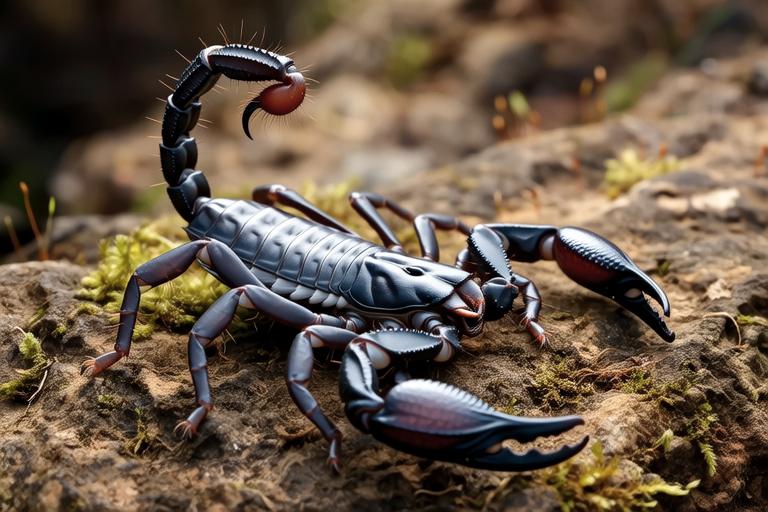
Meet the Hairy Reticulate: Discovering the Unique World of Heterometrus Spinifer
The world of arachnids is vast and diverse, filled with creatures that have fascinated and sometimes frightened humans for centuries. Among these, the Heterometrus spinifer, commonly known as the hairy reticulate, stands out for its striking appearance and intriguing behavior. This article delves into the life of this fascinating species, exploring its physical characteristics, habitat, role in the ecosystem, and the myths surrounding it.
Introduction to Heterometrus Spinifer
The Heterometrus spinifer, also referred to as the hairy reticulate, is a species of scorpion native to parts of Southeast Asia. It belongs to the family Scorpionidae and is particularly notable for its robust build and the distinctive pattern of its exoskeleton, which is covered with fine hairs. These hairs, while giving the species its common name, serve multiple purposes, from sensory perception to protection against predators.
Physical Characteristics
The hairy reticulate boasts a body length ranging from 6 to 9 centimeters, making it one of the larger scorpion species. Its most striking feature is the intricate pattern of ridges and spines that cover its carapace, creating a reticulated design. This pattern, combined with the fine hairs that cover its entire body, gives it a unique appearance that sets it apart from other scorpions.
The hairs on the hairy reticulate serve several functions. Primarily, they act as sensory organs, helping the scorpion detect vibrations and changes in air currents. This heightened sensitivity aids in hunting and avoiding threats. Additionally, the hairs provide a layer of protection against moisture loss, which is crucial for survival in its typically dry habitats.
Habitat and Distribution
Native to regions like Thailand, Malaysia, and Indonesia, the hairy reticulate thrives in tropical forests and rocky terrains. It prefers environments with ample hiding spots and prey availability. The species is well-adapted to living in both humid and semi-arid conditions, showcasing its versatility in adapting to different ecosystems.
These scorpions often reside in burrows they dig themselves, which are typically located under rocks or logs. Their burrows serve as both homes and traps for unsuspecting prey. The ability to create these shelters demonstrates their resourcefulness and adaptability within their natural habitat.
Diet and Behavior
The hairy reticulate is primarily a nocturnal predator, feeding on insects, small vertebrates, and other invertebrates. Its diet consists mainly of crickets, grasshoppers, and beetles, although it will consume whatever prey it can catch. The scorpion’s powerful pincers and venomous sting make it an efficient hunter.
Behaviorally, the hairy reticulate is solitary and territorial. It tends to avoid confrontation with other members of its species unless threatened. During mating season, males engage in elaborate courtship dances to attract females. After mating, the female carries the eggs internally until they hatch, a process known as ovoviviparity. Once born, the young scorpions ride on their mother’s back for several days before venturing off on their own.
Myths and Misconceptions
Despite its fearsome appearance, many myths surround the hairy reticulate. One common misconception is that all scorpions are highly venomous and dangerous to humans. While it is true that the hairy reticulate has a potent sting, its venom is primarily used for hunting and self-defense. In reality, only a few scorpion species pose significant danger to humans, and the hairy reticulate is not among them.
Another myth is that scorpions always glow under ultraviolet light. While it is true that many scorpions, including the hairy reticulate, fluoresce under UV light, this phenomenon does not occur universally across all species. The fluorescence serves as a useful tool for researchers studying scorpion behavior but has no direct impact on the scorpion’s survival or interactions with its environment.
Role in the Ecosystem
The hairy reticulate plays a vital role in maintaining the balance of its ecosystem. As a predator, it helps control insect populations, preventing overpopulation that could otherwise disrupt the local food chain. Additionally, the scorpion’s burrowing activities aerate the soil, promoting plant growth and enhancing overall ecosystem health.
Furthermore, the hairy reticulate serves as a food source for various predators, including birds, reptiles, and mammals. This makes it an integral part of the food web, contributing to the biodiversity of its habitat.
Conservation Efforts
Despite its ecological importance, the hairy reticulate faces several threats to its survival. Habitat destruction due to deforestation and urbanization poses a significant risk to the species. Additionally, the illegal pet trade has led to declines in wild populations as collectors seek rare specimens.
To address these challenges, conservationists are working tirelessly to protect the habitats of the hairy reticulate. Efforts include establishing protected areas and implementing stricter regulations on wildlife trafficking. Educational campaigns aim to raise awareness about the importance of preserving these creatures and their environments.
By supporting these initiatives, we can ensure that future generations have the opportunity to marvel at the unique world of the hairy reticulate. Preserving not just this species but also the ecosystems it inhabits is crucial for maintaining global biodiversity and ensuring the health of our planet.
Conclusion
The hairy reticulate, with its distinctive appearance and fascinating behaviors, offers a glimpse into the rich diversity of life on Earth. From its intricate exoskeleton patterns to its role in the ecosystem, this species exemplifies the complexity and beauty of nature. By dispelling myths and misconceptions, we can foster a deeper understanding and appreciation for these remarkable creatures.
As we continue to explore and learn about the hairy reticulate and other lesser-known species, it becomes increasingly clear that each organism plays a critical role in the delicate balance of life. Let us commit to protecting these wonders of the natural world and the environments that sustain them.
