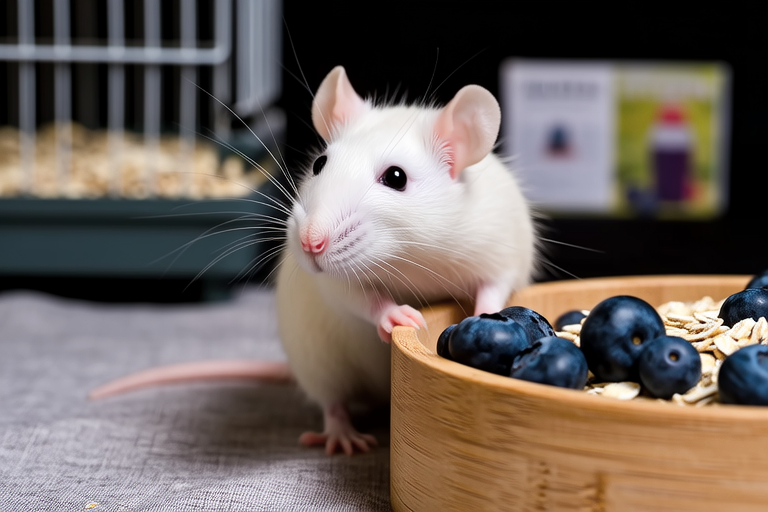
Ultimate Guide: How to Care for Your New Fancy Rat Like a Pro
Welcome to the world of fancy rats! These charming, intelligent, and sociable creatures can make wonderful companions. With proper care, your rat will thrive and bring joy to your home. This comprehensive guide covers everything you need to know about caring for your new fancy rat, from housing and diet to health care and social interaction.
Housing Requirements
Adequate housing is crucial for your rat’s well-being. Choose a spacious cage that allows your rat ample room to move around, explore, and play. A minimum size of 24 inches by 18 inches by 12 inches high per rat is recommended. For multiple rats, increase the size accordingly. Avoid wire-bottom cages, as they can cause foot injuries. Instead, opt for solid flooring with bedding such as aspen shavings or recycled paper products.
Provide plenty of enrichment items like tunnels, hammocks, and chew toys. Rats are curious and love to explore, so variety keeps them mentally stimulated. Ensure the cage is placed in a quiet area away from direct sunlight and drafts. Maintain a clean environment by regularly changing bedding and cleaning food and water bowls.
Diet Specifics
Fancy rats require a balanced diet rich in nutrients to support their health. Their primary diet should consist of commercial rat pellets, which provide necessary vitamins and minerals. Supplement their diet with fresh fruits and vegetables, such as carrots, apples, and leafy greens. Offer small amounts of these treats to prevent obesity.
Avoid feeding your rat foods harmful to its health, such as chocolate, caffeine, and citrus fruits. Provide a constant supply of fresh water, preferably in a sipper bottle designed for rodents. Monitor your rat’s weight and adjust portion sizes accordingly to maintain a healthy body condition.
Health Care Tips
Regular veterinary check-ups are vital for maintaining your rat’s health. Schedule annual visits starting at six months old. Familiarize yourself with common signs of illness, such as lethargy, decreased appetite, or unusual behavior. Early detection and treatment can prevent serious health issues.
Keep your rat’s living space clean to minimize the risk of infections. Wash hands before handling your rat to prevent the spread of bacteria. Quarantine new rats for two weeks before introducing them to existing pets to ensure they’re free from diseases. Regularly trim your rat’s nails to prevent overgrowth and discomfort.
Grooming Needs
Rats are generally self-grooming animals but still require occasional assistance. Brush their fur weekly with a soft-bristled brush to remove loose hair and prevent matting. Trim their nails every few weeks if they don’t wear them down naturally. Check their ears for dirt or debris and gently clean them with a cotton ball dampened with warm water.
Pay attention to your rat’s dental hygiene, as overgrown teeth can cause pain and difficulty eating. Provide chew toys made of safe materials, such as wood or cardboard, to help keep their teeth trimmed. If you notice any signs of dental issues, consult a veterinarian.
Exercise Recommendations
Physical activity is essential for your rat’s overall health. In addition to providing a large cage with plenty of toys, allocate time each day for supervised out-of-cage play. Create a safe play area free from hazards like open windows, electrical cords, and toxic plants.
Engage your rat in activities that stimulate both body and mind. Try hiding treats within puzzles or creating obstacle courses for exploration. Rotate toys frequently to maintain interest and provide variety. Encourage gentle exercise through play, but avoid overexertion, especially in older rats.
Social Interaction Guidelines
Fancy rats are highly social animals that thrive on companionship. Consider adopting a pair or group of rats to promote bonding and reduce stress. Spend quality time interacting with your rat daily, offering affection through gentle handling and play. Speak softly and move slowly to avoid startling them.
Handle your rat gently, supporting its body and providing a secure grip under the ribcage. Allow it to get used to being held gradually. Teach children how to interact safely with your rat to prevent accidents. Respect your rat’s boundaries and avoid forcing interactions if it shows signs of discomfort.
Common Pitfalls to Avoid
Avoid common mistakes that can harm your rat’s health and well-being. Overfeeding leads to obesity, which increases the risk of various health problems. Provide appropriate portions and limit treats. Neglecting regular veterinary care can result in undetected illnesses.
Improper handling techniques can cause injury or stress. Always support your rat’s body when lifting and never pick it up by its tail. Ignoring signs of illness延误病情可能导致更严重的健康问题。定期带你的仓鼠去看兽医可以及早发现和治疗潜在的健康问题。
忽视仓鼠发出的不适信号,如减少活动、食欲不振或行为改变,可能导致更严重的健康问题。定期带你的仓鼠去看兽医可以及早发现和治疗潜在的健康问题。
