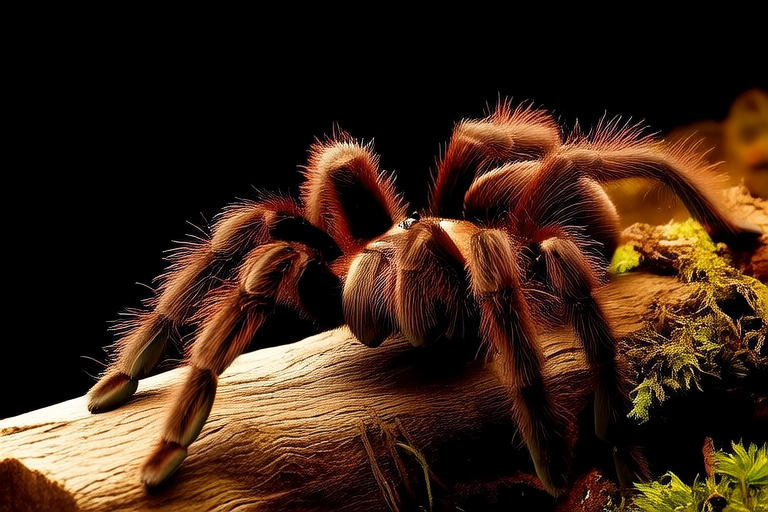
The Ultimate Guide to Owning a Tarantula as a Unique Pet Companion
Introduction to Tarantulas as Pets
Tarantulas have long been misunderstood creatures, often associated with fear and horror. However, these fascinating arachnids can make excellent, low-maintenance pets for those who appreciate unique companions. Unlike most pets, tarantulas do not require daily walks or constant attention, making them ideal for busy individuals or those living in small spaces. With their distinct personalities and intriguing behaviors, tarantulas offer an unparalleled experience for exotic pet enthusiasts.
Choosing the Right Species
With over 900 species of tarantulas worldwide, selecting the perfect one can be daunting. Factors such as size, temperament, and environmental needs should guide your decision. For beginners, smaller species like the Chilean Rose (Grammostola rosea) or the Mexican Redknee (Brachypelma smithi) are recommended due to their docile nature and manageable size. Larger species, such as the Goliath Birdeater (Theraphosa blondi), may be more challenging but rewarding for experienced keepers. Research each species’ specific requirements before committing to ensure a harmonious relationship.
Necessary Equipment for Housing
Creating a suitable habitat is crucial for your tarantula’s well-being. A glass tank with a secure lid is essential; it should be at least three times the length of your tarantula. Proper substrate, such as coconut fiber or reptile bark, provides a natural environment and aids in humidity control. Include hiding spots, such as cork bark or half logs, to mimic the wild. Temperature and humidity gauges help monitor conditions, ensuring they stay within the optimal range for your chosen species. A shallow water dish and occasional misting maintain hydration levels.
Proper Diet and Feeding Habits
Feeding your tarantula appropriately ensures its health and longevity. Younger tarantulas require more frequent meals, typically every few days, while adults may only need feeding once a week. Appropriate prey includes crickets, mealworms, and occasionally pinky mice for larger species. Gut loading insects with nutrient-rich vegetables before feeding enhances nutritional value. Avoid overfeeding, as obesity can lead to health issues. Remove uneaten prey after a day to prevent stress or injury to your tarantula.
Handling and Interaction Tips
While tarantulas can be handled, it requires patience and respect. Always wash hands thoroughly before and after handling to avoid transferring oils or chemicals that could harm your pet. Gently coax your tarantula onto your hand by tapping lightly on its back until it crawls up. Never grab or squeeze your tarantula, as this can cause injury or stress. Frequent handling is not recommended, especially for younger or more delicate species. Instead, focus on creating a bond through regular observation and gentle interactions.
Common Health Issues and Care
Understanding potential health problems helps prevent serious issues. Common ailments include mite infestations, which can be treated with specialized medications, and molting complications. During molting, avoid disturbing your tarantula until the process is complete. Regularly inspect your tarantula for any signs of distress, such as lethargy, loss of appetite, or unusual behavior. Maintaining clean living conditions and providing appropriate care minimizes risks.
Myths About Tarantulas Debunked
Many misconceptions surround tarantulas, deterring potential owners. Contrary to popular belief, most tarantulas pose little threat to humans. Their venom is mild, comparable to a bee sting, and only dangerous to those allergic. Tarantulas do not actively seek out human contact, preferring to retreat rather than confront. Additionally, contrary to fears, tarantulas are not aggressive towards other pets when properly housed. Educating oneself dispels myths and fosters understanding.
Legal Considerations for Owning One
Before bringing home a tarantula, research local laws regarding ownership. Some regions prohibit certain species due to conservation concerns, while others mandate permits for exotic pets. International travel restrictions also apply, preventing the importation of specific tarantulas into certain countries. Adhering to regulations ensures compliance and supports responsible pet ownership.
Concluding Benefits of Tarantulas as Unique Companions
Owning a tarantula offers numerous advantages. These pets provide a sense of responsibility and teach valuable lessons about wildlife conservation. Their quiet presence adds tranquility to homes, making them ideal for individuals seeking a peaceful companion. Tarantulas’ unique appearance and behaviors captivate both children and adults alike, sparking curiosity and fostering education. Ultimately, tarantulas offer a rewarding experience for those willing to embrace the challenges and joys of exotic pet ownership.
