Everything You Need to Know Before Adopting a Red-eared Slider Turtle
Introduction to Red-eared Slider Turtles
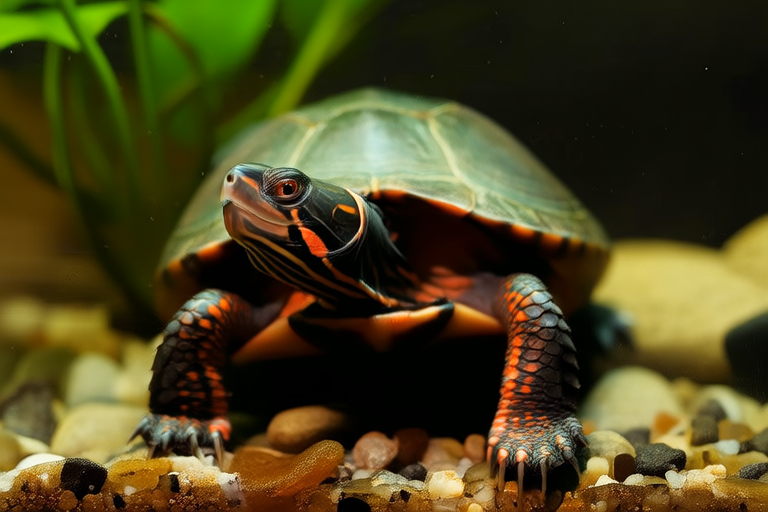
The red-eared slider turtle (Trachemys scripta elegans) is one of the most popular pet turtle species. Native to the southern United States and northern Mexico, these semi-aquatic turtles thrive in slow-moving rivers, ponds, and lakes with soft mud bottoms. They are easily recognizable by their distinctive red stripe behind each eye.
Red-eared sliders are known for their active and curious nature. They enjoy basking under the sun or artificial heat lamps to regulate their body temperature. These turtles are omnivorous, consuming a variety of plant and animal matter, which contributes to their robust growth.
Key Factors to Consider Before Adoption
Owning a red-eared slider turtle requires careful consideration. These turtles can live for decades, making it a long-term commitment. Ensure you have sufficient space for a large aquarium or outdoor pond. Research local laws regarding turtle ownership, as some areas may have restrictions or require permits.
Space requirements vary depending on the turtle’s age. Juveniles need at least 10 gallons per inch of shell length, while adults require significantly more. A 40-gallon tank is suitable for a fully grown adult. Outdoor ponds offer more room but require proper fencing to prevent escapes.
Detailed Information on Setting Up an Appropriate Habitat
Creating a suitable habitat is crucial for your turtle’s well-being. Start with a spacious tank or pond. For indoor tanks, choose a glass aquarium with a secure lid to prevent escapes. Use a UVB light to provide essential vitamin D3 synthesis. Maintain water temperatures between 75-80°F (24-27°C) with a submersible heater.
Water quality is paramount. Use a powerful filter to maintain cleanliness and change approximately 20% of the water weekly. Provide a dry basking area with a UVB lamp to simulate sunlight. Ensure the basking spot reaches 90-95°F (32-35°C).
Necessary equipment includes a water dechlorinator, thermometer, hydrometer, and substrate. Gravel or sand serves as substrate but must be too large for ingestion. Floating docks or platforms offer additional basking spots.
Feeding Guidelines
Feed red-eared sliders a balanced diet rich in protein and calcium. Offer a mix of commercial turtle pellets, fresh vegetables, and occasional insects or fish. Feed juveniles daily, reducing frequency to every other day for adults.
Leafy greens like romaine lettuce, dandelion leaves, and kale are excellent choices. Avoid iceberg lettuce due to its low nutritional value. Protein sources include earthworms, crickets, and minnows. Ensure a calcium-to-phosphorus ratio of 2:1 to support bone health.
Health Care Essentials
Regularly monitor your turtle for signs of illness, such as lethargy, loss of appetite, swollen eyes, or respiratory distress. Schedule annual check-ups with a reptile veterinarian. Common diseases include respiratory infections, shell rot, and metabolic bone disease.
Maintain a clean environment to prevent bacterial and fungal infections. Quarantine new turtles for at least two months to avoid introducing parasites or illnesses. Administer routine treatments for internal and external parasites.
Tips for Handling and Interacting with Your Turtle
Handle your turtle gently, supporting its shell and avoiding pressure on its limbs. Wash hands thoroughly after handling to prevent the spread of salmonella bacteria. Interact with your turtle regularly to establish trust and reduce stress.
Provide opportunities for exercise and exploration. Rotate toys and decorations to keep the environment engaging. Avoid overcrowding the habitat, as this can lead to stress and aggression.
Environmental Enrichment Ideas
Enhance your turtle’s habitat with floating logs, rocks, and plants. Include hiding spots and climbing structures to stimulate curiosity. Introduce shallow areas for swimming and deeper zones for diving. Rotate toys periodically to maintain interest.
Consider adding a water feature, like a small waterfall or bubbling rock, to improve circulation and oxygenation. Regularly rearrange elements within the tank to encourage exploration and mental stimulation.
Conclusion
Owning a red-eared slider turtle brings joy and companionship. However, it also entails significant responsibility. Proper habitat setup, nutrition, and healthcare ensure your turtle lives a long and healthy life. With dedication and care, these fascinating creatures make wonderful pets. Embrace the challenges and rewards of turtle ownership, and you’ll have a loyal companion for years to come.
