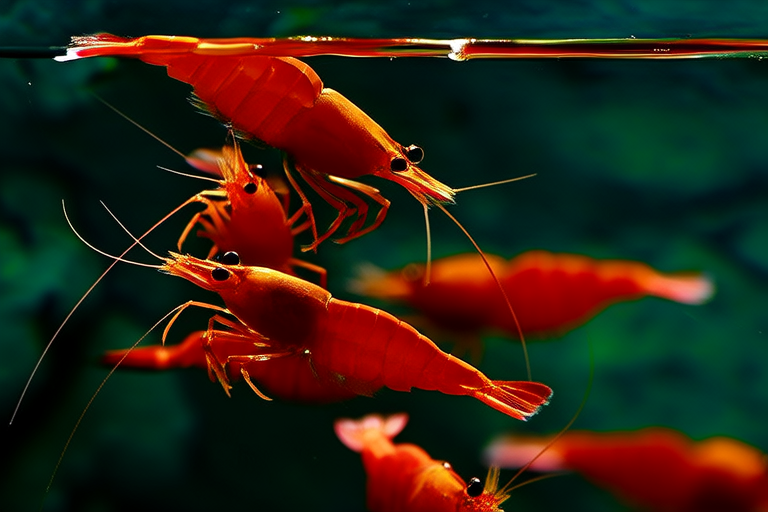
A Beginner’s Guide to Raising Healthy and Happy Coral Shrimp
Welcome to your comprehensive guide on raising healthy and happy coral shrimp! Whether you’re a seasoned aquarist or just starting out, this guide will provide you with all the necessary information to create a thriving environment for your coral shrimp. Coral shrimp, also known as Stenopus hispidus, are fascinating creatures that add both color and activity to any aquarium. This guide will cover everything from setting up the perfect tank to maintaining a balanced ecosystem.
Introduction to Coral Shrimp
Coral shrimp, native to the Indo-Pacific region, are small crustaceans that can grow up to 3 inches in length. They have a distinctive appearance, with long white antennae, red claws, and a blue body adorned with white spots. These shrimp are scavengers and play a crucial role in keeping your aquarium clean by consuming algae, uneaten food, and other debris. Their vibrant colors and active behavior make them a popular choice among aquarists.
Ideal Tank Setup
Creating the right tank setup is essential for the well-being of your coral shrimp. Here are some key considerations:
- Tank Size: A minimum tank size of 20 gallons is recommended for a group of three to five shrimp. Larger tanks provide more space for swimming and hiding, reducing stress.
- Substrate: Use a fine-grained substrate such as aragonite sand or crushed coral to mimic their natural habitat. Avoid sharp substrates that could injure the shrimp.
- Hiding Places: Provide plenty of caves, rock formations, and plants for the shrimp to hide and feel secure. PVC pipes, coconut shells, and ceramic caves are excellent options.
- Water Flow: Ensure moderate water flow within the tank to simulate their natural environment. However, avoid strong currents that might stress the shrimp.
- Decorations: Incorporate live rock and live sand to establish a thriving ecosystem. Live rock provides surfaces for beneficial bacteria and algae growth, while live sand supports detritivores like copepods.
Water Parameters
Maintaining optimal water conditions is vital for the health of your coral shrimp. Here are the ideal parameters:
- Temperature: Keep the water temperature between 72°F and 82°F (22°C to 28°C).
- pH: Maintain a pH level between 8.0 and 8.4.
- Ammonia and Nitrite: Both should be undetectable. Regular testing is crucial to ensure these levels remain at zero.
- Nitrate: Aim for nitrate levels below 20 ppm. Higher levels can lead to stress and disease.
- Salinity: For freshwater setups, keep the salinity at 0 ppt. In saltwater setups, maintain a specific gravity of 1.020 to 1.025.
Regular water changes of about 10% to 20% every week are necessary to maintain water quality. Use a high-quality water conditioner to remove chlorine and chloramines from tap water.
Diet Requirements
Coral shrimp are omnivorous scavengers, feeding on both plant matter and small organisms. Providing a varied diet ensures they receive all the nutrients they need:
- Algae and Detritus: Encourage the growth of algae and detritus in the tank as a primary food source. Live rock and live sand help promote this.
- Commercial Foods: Supplement their diet with commercial foods designed for marine invertebrates. Shrimp pellets, flakes, and frozen foods like brine shrimp, mysis shrimp, and daphnia are suitable options.
- Feeding Frequency: Feed your shrimp once or twice a day, offering only what they can consume within a few minutes. Overfeeding can lead to poor water quality and stress.
Common Health Issues
Despite their hardiness, coral shrimp can still face health issues if not cared for properly. Here are some common problems and how to address them:
- Parasites: Look for signs of parasites such as white spots or rapid breathing. Quarantine new shrimp before introducing them to the main tank to prevent the spread of parasites.
- Fungal Infections: Fungal infections can occur due to poor water quality or physical injuries. Treat with antifungal medications and improve water conditions.
- Bacterial Infections: Symptoms include lethargy, loss of appetite, and cloudy eyes. Administer antibiotics under veterinary guidance and enhance water quality.
- Injury: Coral shrimp can get injured by aggressive tank mates or sharp decorations. Monitor the tank regularly and remove any potential hazards.
Regular observation and prompt action are key to preventing and treating health issues.
Tips for Maintaining a Stress-Free Environment
To ensure your coral shrimp thrive, follow these tips:
- Acclimation: Gradually acclimate new shrimp to the tank over several hours to avoid shock.
- Quarantine: Quarantine new shrimp for at least two weeks before adding them to the main tank to prevent the introduction of diseases.
- Compatibility: Choose tank mates carefully. Coral shrimp can coexist with peaceful fish and invertebrates but may be aggressive towards smaller shrimp species.
- Monitoring: Regularly check water parameters, observe shrimp behavior, and clean the tank as needed to maintain a healthy environment.
Regular Maintenance Routines
Maintaining a balanced ecosystem requires consistent effort. Follow these maintenance routines:
- Water Changes: Perform weekly water changes of 10% to 20% to keep water parameters stable.
- Cleaning: Clean filters, decorations, and glass to prevent the buildup of harmful substances.
- Observation: Regularly observe shrimp behavior and appearance to detect any signs of distress early.
- Testing: Test water parameters weekly to ensure they remain within the ideal range.
By adhering to these routines, you’ll create a harmonious environment where your coral shrimp can flourish.
Conclusion
Raising healthy and happy coral shrimp involves creating the right tank setup, maintaining optimal water conditions, providing a balanced diet, and addressing any health issues promptly. By following the advice in this guide, you’ll be well-equipped to care for your shrimp and enjoy their vibrant presence in your aquarium. Remember, consistency and attention to detail are key to ensuring your coral shrimp thrive in their new home.
