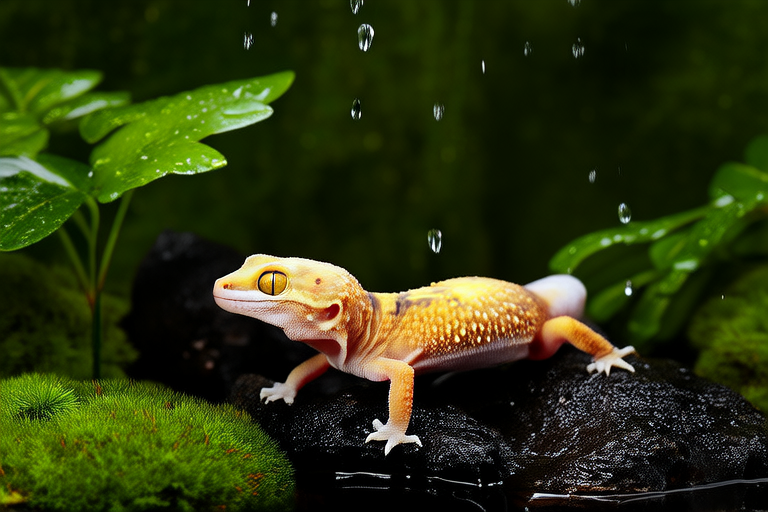
How to Create the Ultimate Habitat for Your Happy and Healthy Chameleon
Welcome to the fascinating world of chameleons! These unique reptiles require specific environmental conditions to thrive, making their care more intricate than many other pets. This guide will walk you through creating the ideal habitat for your chameleon, ensuring it remains happy, healthy, and vibrant.
Essential Habitat Requirements
Appropriate Lighting
Chameleons need two types of lighting: UVB and heat. UVB light is crucial for vitamin D3 synthesis, which aids in calcium absorption and prevents metabolic bone disease. A high-quality UVB bulb, positioned correctly within the enclosure, is essential. Replace these bulbs every six months or according to manufacturer instructions to maintain optimal output.
Heat lamps provide the necessary warmth for basking and digestion. Position them so that the basking spot reaches around 85-90°F (29-32°C). Always use a reliable thermometer to monitor temperatures accurately. Avoid using heat rocks or pads, as they can cause burns.
Temperature Gradients
Maintaining a temperature gradient is vital for your chameleon’s well-being. The warmest point should be approximately 85-90°F (29-32°C), while cooler areas should range from 70-75°F (21-24°C). Nighttime temperatures can drop slightly but should never go below 65°F (18°C).
To achieve this gradient, place the heat lamp at one end of the enclosure and ensure there’s adequate space for your chameleon to move between warmer and cooler zones. Regularly check temperatures with a digital thermometer placed at various points within the habitat.
Humidity Levels
Chameleons originate from tropical environments and require moderate humidity levels, typically between 40% and 70%. Proper hydration is critical for their health, including shedding and skin health. Use misting systems or automatic foggers to maintain consistent moisture levels. Hand-misting several times daily can also help, especially if you’re using live plants.
Avoid over-saturating the enclosure, as excessive moisture can lead to respiratory issues. Ensure proper ventilation by leaving screen tops uncovered or providing sufficient air circulation through mesh sides.
Enclosure Size
The enclosure should be spacious enough to allow natural movement and climbing. For adult chameleons, a minimum size of 3 feet wide by 4 feet tall by 2 feet deep is recommended. Larger enclosures offer more opportunities for exercise and exploration, promoting mental stimulation.
Choose an enclosure made primarily of mesh or screen material, allowing for excellent airflow and visibility. Glass tanks are not suitable due to poor ventilation and potential stress caused by reflections.
Suitable Substrates, Decorations, and Plants
Suitable Substrates
For substrate, avoid materials like sand, gravel, or wood shavings, as they can cause impaction if ingested. Instead, opt for paper towels or reptile carpet, which are easy to clean and pose no risk to your chameleon.
If you prefer a more natural look, consider using coconut fiber or orchid bark. These substrates retain some moisture without becoming too damp. Ensure any substrate used is safe for ingestion and won’t cause blockages.
Decorations and Plants
Provide plenty of vertical branches and vines for climbing and perching. Natural wood branches or commercially available artificial branches work well. Arrange these structures at varying heights to encourage climbing and basking behavior.
Incorporate live or silk plants to mimic the chameleon’s natural environment. Live plants, such as pothos, ficus, or dracaena, not only add aesthetic value but also help maintain humidity levels. Ensure all plants are non-toxic and safe for consumption. Silk plants are an alternative option if you prefer a lower maintenance setup.
Maintaining Cleanliness and Ensuring Safety
Cleaning Schedule
Regular cleaning is essential to prevent bacterial growth and ensure a hygienic living space. Spot-clean daily by removing waste and wiping down surfaces. Perform a thorough cleaning once a week, disinfecting all surfaces and replacing substrate if necessary.
Use mild, pet-safe disinfectants or a solution of water and white vinegar for cleaning. Rinse thoroughly after disinfection and allow the enclosure to dry completely before reintroducing your chameleon.
Ensuring Safety
Secure the enclosure with locks or latches to prevent accidental escapes. Check all fixtures regularly for signs of wear or damage. Remove any loose or sharp objects that could injure your chameleon.
Supervise interactions with children or other pets to ensure your chameleon’s safety. Handle your chameleon gently, supporting its body properly to avoid stress or injury.
Dietary Considerations
Variety in Diet
Offer a diverse diet consisting of appropriately sized insects, such as crickets, dubia roaches, silkworms, and hornworms. Dust these insects with a calcium supplement containing D3 twice weekly and a multivitamin once a week. Offer gut-loaded insects to enhance nutritional value.
Provide fresh water daily in a drip system or shallow dish. Encourage drinking by misting leaves, as chameleons often lap up droplets rather than drinking directly from a bowl.
Feeding Frequency
Feed juvenile chameleons daily, while adults can be fed every other day. Adjust feeding amounts based on your chameleon’s activity level and weight. Overfeeding can lead to obesity and related health issues, so monitor portion sizes carefully.
Always remove uneaten food promptly to prevent contamination and ensure a clean environment.
Conclusion
Creating the ultimate habitat for your chameleon involves careful consideration of lighting, temperature, humidity, and enclosure design. By providing a stimulating and safe environment with appropriate substrates, decorations, and plants, you’ll foster a happy and healthy chameleon. Regular maintenance and attention to dietary needs further contribute to their well-being. With dedication and knowledge, you can ensure your chameleon thrives in its new home.
