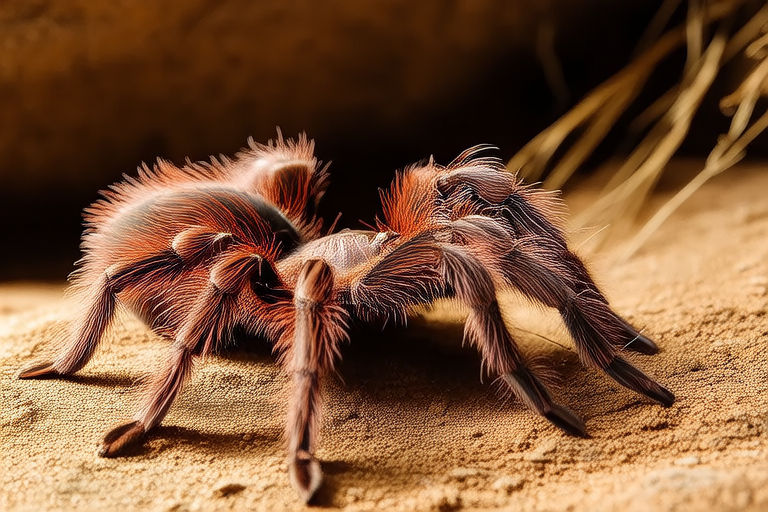
Top Secrets Every Chilean Rose Tarantula Owner Should Know
Welcome to the fascinating world of Chilean rose tarantulas! These beautiful creatures have become increasingly popular as pets due to their docile nature and striking appearance. If you’re a new or seasoned owner, this guide will provide you with essential tips for care, common myths debunked, ideal habitat setup, dietary needs, handling techniques, signs of health issues, and advice for new owners. Let’s dive into the top secrets every Chilean rose tarantula owner should know.
Essential Tips for Care
Caring for a Chilean rose tarantula is relatively straightforward, but there are some key points to remember. First and foremost, ensure your tarantula has a secure enclosure. A glass tank with a tight-fitting lid is ideal. The enclosure should be spacious enough to allow your tarantula to move around comfortably. A general rule of thumb is to provide at least five times the leg span of the tarantula in height and three times in width.
Maintaining the right temperature and humidity levels is crucial. Chilean rose tarantulas thrive in temperatures between 75°F and 85°F (24°C to 29°C). Use a thermometer to monitor the temperature inside the tank and adjust it if necessary. Humidity should be kept between 60% and 80%. This can be achieved by misting the enclosure regularly or by placing a shallow water dish inside.
Substrate is another important aspect of their environment. Coconut fiber, peat moss, or a mixture of both works well. Ensure the substrate is at least four inches deep so your tarantula can burrow comfortably. Clean the enclosure regularly to prevent any build-up of waste and to keep your pet healthy.
Common Myths Debunked
There are several misconceptions about Chilean rose tarantulas that need to be addressed. One common myth is that they are aggressive and dangerous. In reality, these tarantulas are quite docile and rarely bite unless provoked. Another misconception is that they require frequent handling. While it’s okay to handle them occasionally, too much interaction can stress them out.
Another myth is that tarantulas are solitary creatures and should never be housed together. While it’s true that they don’t typically interact with each other, it’s best to house only one tarantula per enclosure. They can sense vibrations from other tarantulas, which may cause stress or territorial behavior.
Ideal Habitat Setup
The ideal habitat for a Chilean rose tarantula mimics its natural desert environment. Start by selecting the appropriate enclosure size and shape. A tall, glass terrarium with a secure lid is perfect. The enclosure should have a few hiding spots, such as cork bark or half logs, where your tarantula can retreat when feeling threatened.
Lighting is not necessary for your tarantula’s well-being. However, if you want to observe your pet during the day, a low-wattage bulb can be used. Just ensure it doesn’t overheat the enclosure. Place a shallow water dish in the corner of the tank. This provides moisture and allows your tarantula to drink when needed.
Temperature and humidity control are vital. Use a thermostat to regulate the temperature, aiming for 75°F to 85°F (24°C to 29°C). Maintain humidity levels between 60% and 80% by misting the enclosure daily. Proper ventilation is also important; ensure the enclosure has adequate airflow without causing drafts.
Dietary Needs
Feeding your Chilean rose tarantula is simple yet critical. In the wild, they eat insects like crickets, grasshoppers, and mealworms. As pets, you can offer them appropriately sized crickets or dubia roaches. Feed your tarantula once or twice a week, depending on its size and appetite. Remove any uneaten prey after 24 hours to prevent contamination.
It’s essential to gut-load the insects before feeding them to your tarantula. Gut-loading involves feeding the insects nutritious foods high in vitamins and minerals. This ensures your tarantula receives a balanced diet. Occasionally, you can dust the insects with calcium powder to supplement their nutrition.
Handling Techniques
Handling your Chilean rose tarantula should be done with care and respect. Always wash your hands before and after handling to avoid transferring oils or chemicals. Gently place your hand near the front of the enclosure and let your tarantula crawl onto your hand. Support its body with your other hand to ensure stability.
Avoid handling your tarantula too frequently, as it can cause stress. If you notice any signs of distress, such as rapid movements or rearing up, stop handling immediately. Always supervise children when handling tarantulas to prevent accidents.
Signs of Health Issues
Monitoring your tarantula’s behavior and appearance is crucial for identifying potential health issues. Healthy tarantulas are active and alert, with no visible injuries or abnormalities. Common signs of illness include lethargy, refusal to eat, unusual molting behavior, or the presence of mites.
If you notice any concerning symptoms, consult a veterinarian specializing in exotic animals. Early intervention is key to treating and preventing more serious health problems. Regular check-ups can help catch any issues before they escalate.
Advice for New Owners
Starting with a Chilean rose tarantula as a pet can be an exciting journey. Before bringing one home, research thoroughly and prepare adequately. Choose a reputable breeder or pet store to purchase your tarantula. Ensure the enclosure, heating, lighting, and substrate are set up correctly before introducing your new pet.
Be patient and observant. Each tarantula is unique, and it may take time for them to adapt to their new environment. Learn to recognize normal behaviors and signs of stress or illness. Join online communities or forums to connect with other owners and share experiences.
Finally, enjoy the companionship of your Chilean rose tarantula. They are fascinating creatures that can bring joy and wonder to your life. With proper care and attention, your tarantula will thrive in captivity, providing years of enjoyment and learning.
