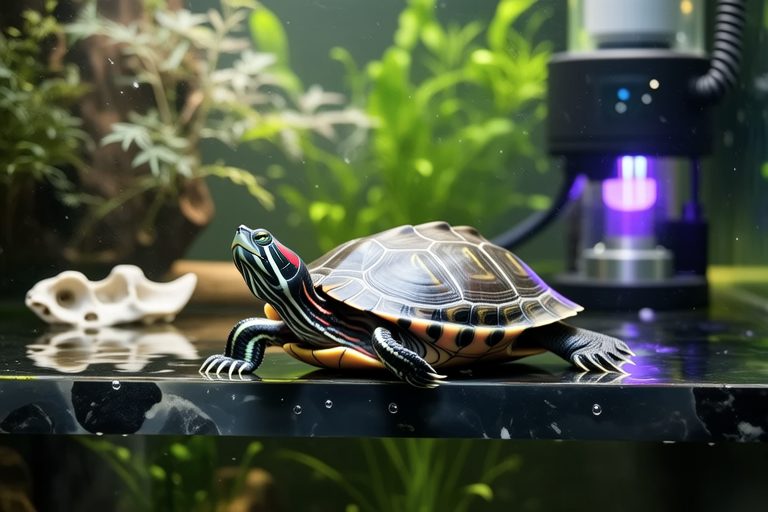
Top Secrets for Keeping Your Red-eared Slider Healthy and Happy
Welcome to the world of red-eared slider turtles! These captivating reptiles have become popular pets due to their vibrant appearance and relatively low maintenance. However, like any other animal, they require specific care to thrive. This guide will provide you with essential tips on how to keep your red-eared slider healthy and happy, covering topics such as proper diet, suitable habitat setup, water quality maintenance, basking requirements, health monitoring, and common disease prevention.
The Long-Term Commitment of Turtle Ownership
Owning a red-eared slider is a significant responsibility that requires dedication and commitment. These turtles can live up to 40 years, so it’s important to be prepared for the long haul. Before bringing one home, consider factors such as time, space, and financial resources needed for their care. A well-informed decision ensures that both you and your pet will enjoy many years together.
Creating the Perfect Habitat
A suitable environment plays a crucial role in maintaining your red-eared slider’s health. Here’s what you need:
- Water Area: Provide a spacious tank or pond that allows your turtle ample room to swim. For hatchlings, a 20-gallon tank suffices; adult sliders require at least 80 gallons.
- Basking Platform: Include a dry area where your turtle can bask under a heat lamp. This helps regulate body temperature and promotes healthy skin.
- UVB Lighting: Install full-spectrum UVB lighting to aid calcium absorption and prevent metabolic bone disease.
- Water Filtration: Invest in a high-quality filter to maintain clean water. Regular water changes are also necessary to remove waste and debris.
Dietary Needs
Feeding your red-eared slider a balanced diet is vital for its overall health. Offer a mix of commercial pellets, vegetables, fruits, and occasional protein sources like earthworms or fish. Avoid feeding iceberg lettuce or avocados, as these can cause digestive issues. Feed young turtles daily, reducing frequency to every other day for adults. Always provide fresh food and clean water.
Maintaining Water Quality
Water quality directly impacts your turtle’s health. Keep it clean by performing regular water changes and using appropriate filtration systems. Monitor ammonia, nitrite, and pH levels weekly to ensure optimal conditions. Use dechlorinated water and avoid overcrowding the tank to minimize waste buildup.
Basking Requirements
Your red-eared slider needs access to a warm, dry area for basking. The ideal basking spot should be heated to around 90°F (32°C) using a heat lamp. Ensure the temperature remains consistent throughout the day. Basking helps regulate metabolism, supports shell growth, and encourages social behavior.
Health Monitoring
Regularly observe your turtle for signs of illness, including lethargy, loss of appetite, swollen eyes, or abnormal swimming patterns. Schedule annual veterinary check-ups to catch potential issues early. Early intervention often leads to better outcomes.
Common Diseases Prevention
To prevent common diseases, follow these guidelines:
- Metabolic Bone Disease (MBD): Ensure adequate calcium intake through diet and UVB lighting.
- Shell Rot: Maintain clean water and provide a dry basking area.
- Freshwater Turtle Respiratory Infection (FTRI):
Ensure proper water quality and temperature. If symptoms persist, consult a veterinarian immediately.
Recommended Foods and Environmental Conditions
Here’s a list of recommended foods and environmental conditions:
- Foods: Commercial pellets, leafy greens, squash, carrots, earthworms, and occasional fish.
- Environmental Conditions: Maintain water temperature between 75°F and 80°F (24°C and 27°C), and keep the basking area at 90°F (32°C).
Encouraging Responsible Pet Ownership
Responsible pet ownership involves more than just providing food and shelter. It includes educating yourself about your pet’s needs, being attentive to its behavior, and making informed decisions regarding its care. By understanding the unique requirements of red-eared sliders, you can ensure they lead long, healthy lives.
Remember, owning a red-eared slider is a rewarding experience that comes with responsibilities. With proper care and attention, these fascinating creatures can bring joy and companionship for decades.
