How to Create the Ultimate Nesting Spot for Your Chinchilla!
Welcome to the world of chinchillas! These adorable, fluffy creatures require a living environment that meets their unique needs. Creating the perfect nesting spot for your chinchilla is essential for their health and happiness. This comprehensive guide will walk you through every aspect of setting up a safe, comfortable, and enriching habitat.
Selecting Appropriate Bedding Materials
The choice of bedding material is crucial for your chinchilla’s comfort and health. Avoid cedar and pine shavings, as they can cause respiratory issues. Opt instead for dust-free paper pulp or shredded, unbleached, recycled paper. These materials provide cushioning while allowing easy cleaning. Additionally, consider using fleece liners, which are washable and offer a soft surface for your chinchilla to nestle into.
Designing a Cozy and Safe Space
Your chinchilla’s nesting area should be spacious enough to allow for movement but not so large that it becomes overwhelming. A cage with a minimum floor space of 36 inches by 24 inches is recommended for a single chinchilla. Ensure the cage has multiple levels and ramps for climbing and exploring. Install sturdy platforms and shelves to mimic their natural habitat. These additions encourage exercise and mental stimulation.
Ensuring Proper Ventilation
Chinchillas are highly sensitive to heat and humidity. Proper ventilation is vital to prevent overheating and respiratory problems. Choose a cage with ample airflow, ideally with mesh sides and a top. Position the cage away from direct sunlight and heat sources. Consider installing a fan nearby to ensure consistent air circulation. Regularly check the temperature and humidity levels to maintain an optimal environment.
Incorporating Hiding Spots
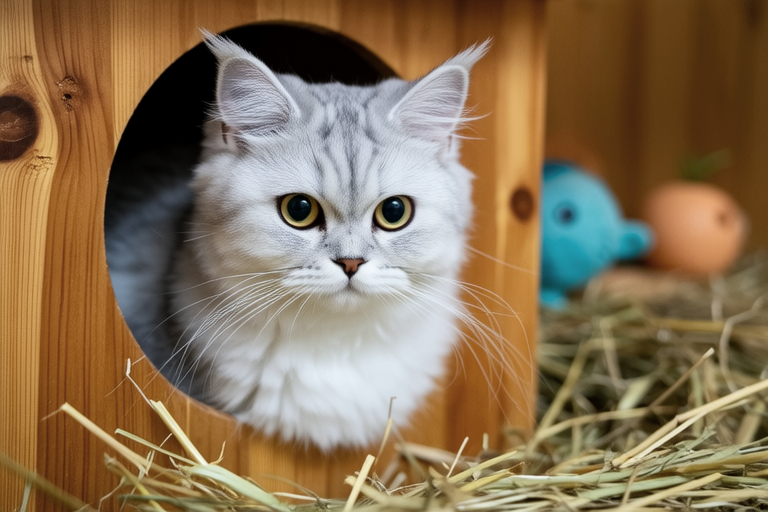
Providing hiding spots is essential for your chinchilla’s psychological well-being. Chinchillas are naturally shy and need places to retreat when they feel overwhelmed. Offer a variety of hideouts, such as cardboard boxes, wooden igloos, or fabric tunnels. These spaces should be snug and enclosed, offering a sense of security. Rotate the hiding spots periodically to keep the environment fresh and stimulating.
Maintaining Cleanliness
Keeping the nesting area clean is paramount to your chinchilla’s health. Remove soiled bedding daily and perform a thorough cleaning of the cage once a week. Use mild, pet-safe cleaners and avoid harsh chemicals that could irritate your chinchilla’s delicate skin. Regular cleaning also helps control odors and prevents the buildup of harmful bacteria.
Providing Necessary Toys for Enrichment
Toys play a significant role in keeping your chinchilla mentally and physically engaged. Provide chew toys made from untreated wood or cardboard to help them maintain healthy teeth. Balls, tunnels, and hanging toys offer opportunities for exercise and exploration. Rotate toys regularly to prevent boredom and encourage curiosity. Interactive toys, like puzzle feeders, challenge your chinchilla’s problem-solving skills.
Size Considerations for the Nesting Area
The size of the nesting area directly impacts your chinchilla’s quality of life. A cage that is too small can lead to stress and health issues, while one that is too large may overwhelm your pet. As mentioned earlier, a minimum floor space of 36 inches by 24 inches is recommended. However, if you have the space and resources, consider a larger cage that allows for more exploration and activity. The vertical dimension is equally important; multiple levels provide opportunities for climbing and resting.
Temperature Control
Chinchillas thrive in cool environments. Ideal temperatures range between 60°F and 70°F (15°C and 21°C). Temperatures above 80°F (27°C) can be dangerous, leading to heatstroke. Monitor the temperature closely, especially during warmer months. If necessary, use air conditioning or fans to keep the area cool. Always provide a source of cold water or ice blocks for your chinchilla to cool off.
Humidity Management
Chinchillas are susceptible to respiratory infections, which can be exacerbated by high humidity levels. Maintain humidity levels below 40%. Use a hygrometer to monitor humidity and adjust as needed. In dry environments, consider using a humidifier to prevent overly dry conditions, which can irritate their eyes and nasal passages.
Additional Tips
- Regular Check-ups: Schedule routine veterinary visits to ensure your chinchilla remains healthy. Early detection of potential issues can prevent serious complications.
- Dust Baths: Provide a shallow dish filled with chinchilla-specific dust for regular bathing. This helps remove oils from their fur and keeps them clean and healthy.
- Quiet Environment: Chinchillas are easily stressed by loud noises. Place their cage in a quiet area of your home to minimize disturbances.
- Social Interaction: Spend time interacting with your chinchilla daily. They enjoy gentle handling and socialization, which strengthens the bond between you.
Creating the ultimate nesting spot for your chinchilla involves careful consideration of their physical and emotional needs. By selecting appropriate bedding, designing a safe and cozy space, ensuring proper ventilation, incorporating hiding spots, maintaining cleanliness, and providing necessary toys, you can create an environment that promotes health and happiness. Remember, a happy chinchilla is a healthy chinchilla!
