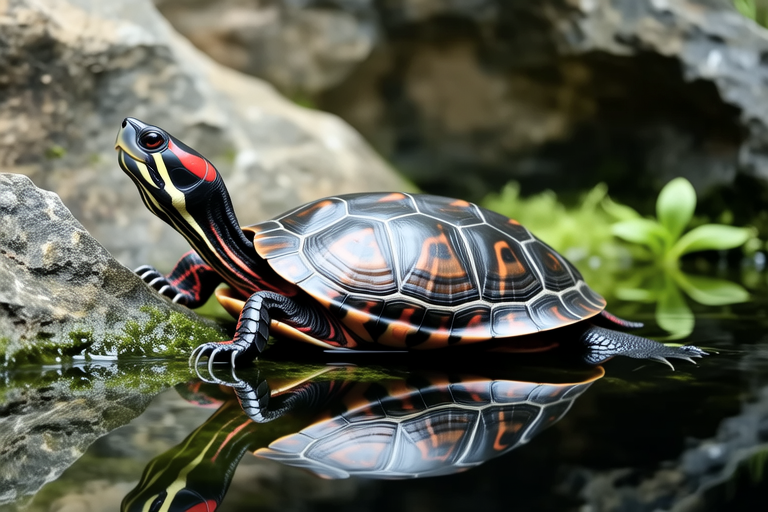
7 Common Myths About Red-eared Sliders Debunked
Red-eared sliders (Trachemys scripta elegans) are one of the most popular pet turtles globally. Their vibrant coloration, relatively low maintenance requirements, and long lifespan make them attractive pets for many. However, like any other pet, there are several myths surrounding their care and behavior that can mislead potential owners. This article aims to dispel these common misconceptions, providing you with accurate information to ensure your turtle’s health and happiness.
Myth 1: Red-eared Sliders Are Low-Maintenance Pets
One of the most pervasive myths about red-eared sliders is that they are easy to care for. While it’s true that these turtles don’t require constant attention, they do have specific needs that must be met to thrive. Red-eared sliders need a spacious tank or pond, a UVB light for vitamin D synthesis, and a varied diet rich in protein, calcium, and vegetables. The misconception arises from the idea that turtles can survive in small, unclean tanks or on minimal food. In reality, improper care can lead to severe health issues, including metabolic bone disease and respiratory infections.
Myth 2: Red-eared Sliders Can Be Kept in Small Tanks
Another common myth is that red-eared sliders can live comfortably in small tanks. This belief stems from the fact that young turtles are often sold in small enclosures. However, as red-eared sliders grow, so do their space requirements. An adult slider requires at least 40 gallons of water per inch of shell length, plus additional space for basking. A cramped environment can cause stress, leading to health problems and behavioral issues. Therefore, it’s crucial to plan for the future and provide adequate space from the start.
Myth 3: Red-eared Sliders Don’t Need UVB Lighting
Many turtle owners believe that red-eared sliders can get all the necessary sunlight they need from their natural habitat or through indirect sunlight. However, this is not entirely accurate. UVB lighting is essential for red-eared sliders to synthesize vitamin D3, which aids in calcium absorption. Without proper UVB exposure, turtles can develop metabolic bone disease, a serious condition characterized by weakened bones and deformities. Experts recommend providing 10-12 hours of UVB light daily, either through natural sunlight or artificial UVB bulbs designed for reptiles.
Myth 4: Red-eared Sliders Can Live on a Diet of Just Vegetables
The notion that red-eared sliders can thrive solely on a vegetarian diet is another widespread myth. In reality, these omnivores require a balanced diet consisting of both animal and plant matter. Young sliders need more protein-rich foods, such as insects and fish, while adults benefit from a mix of vegetables and commercial turtle pellets. Feeding them exclusively on leafy greens can lead to nutritional deficiencies, particularly in protein and fat. It’s important to consult with a veterinarian specializing in reptiles to determine the right dietary balance for your turtle.
Myth 5: Red-eared Sliders Hibernate in Captivity
Some people mistakenly believe that red-eared sliders hibernate in captivity, similar to their wild counterparts. While it’s true that wild red-eared sliders may brumate (a form of hibernation for cold-blooded animals) during colder months, captive sliders typically do not need to go through this process. Providing a stable, warm environment throughout the year ensures optimal health and prevents unnecessary stress. If you notice your turtle becoming less active during cooler periods, it might be due to temperature fluctuations rather than a need to hibernate.
Myth 6: Red-eared Sliders Are Harmless to Humans
Although red-eared sliders are generally docile and non-aggressive towards humans, there is a myth that they pose no risk to human health. In reality, turtles can carry salmonella bacteria, which can be transmitted to handlers through direct contact or contaminated surfaces. Proper hygiene practices, such as washing hands after handling the turtle or its enclosure, are essential to minimize the risk of infection. Additionally, children under five years old, pregnant women, and individuals with weakened immune systems should avoid handling turtles altogether.
Myth 7: Red-eared Sliders Are Easy to Rehome
The final myth is that red-eared sliders are easy to rehome if the owner no longer wants them. Unfortunately, this is not the case. Many shelters and rescue organizations are already overwhelmed with unwanted turtles, making it difficult to find new homes for them. Moreover, releasing red-eared sliders into the wild is illegal in many places and poses a threat to native wildlife and ecosystems. Instead, consider adopting from reputable sources and committing to lifelong care if you decide to bring a red-eared slider into your home.
Tips for Responsible Ownership
Owning a red-eared slider comes with significant responsibilities. First, always research thoroughly before bringing a turtle home. Understand their dietary, environmental, and social needs to provide the best possible care. Second, invest in quality equipment, including a suitable enclosure, UVB lighting, and appropriate food. Regular veterinary check-ups are also crucial for maintaining your turtle’s health. Lastly, remember that red-eared sliders can live for decades, so commitment to their long-term care is paramount.
