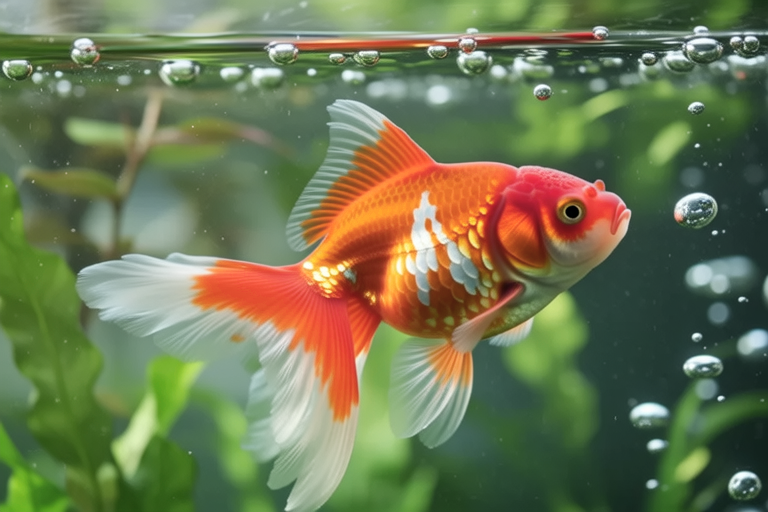
Swimming Secrets: How to Keep Your Goldfish Happy and Healthy
Welcome to the world of goldfish care! These vibrant, friendly creatures can bring joy and color to any home. However, keeping them happy and healthy requires more than just filling a bowl with water. This guide will walk you through the essentials of goldfish care, from setting up the perfect environment to understanding their unique behaviors. Let’s dive in!
Maintaining Optimal Water Quality
The cornerstone of a healthy goldfish habitat is clean, well-maintained water. Goldfish produce waste that can quickly degrade water quality if not managed properly. Regular water changes, typically 25% weekly, are crucial. Use a gravel vacuum during these changes to remove uneaten food and debris.
Invest in a water testing kit to monitor pH levels, ammonia, nitrite, and nitrate concentrations. Aim for a pH between 6.5 and 8.0, and keep ammonia and nitrite at zero. Nitrate levels should be kept under 40 ppm.
Suitable Tank Size
Adequate space is vital for your goldfish’s well-being. A single goldfish requires at least 20 gallons of water. For each additional fish, add another 10 gallons. Larger tanks provide more swimming room and dilute waste, reducing the frequency of water changes.
Proper Filtration Systems
Select a filter that can handle at least four times the volume of your tank per hour. Look for filters that combine mechanical, biological, and chemical filtration. Mechanical filtration removes large particles, while biological filtration supports beneficial bacteria that convert harmful ammonia into less toxic substances. Chemical filtration helps absorb odors and impurities.
Temperature Control
Goldfish thrive in temperatures between 68°F and 74°F (20°C to 23°C). Avoid drastic temperature fluctuations by placing the tank away from direct sunlight and heat sources. Consider a heater with a thermostat for consistent warmth.
Appropriate Diet and Feeding Schedules
Feed your goldfish a balanced diet rich in protein, vitamins, and minerals. Commercial flake or pellet foods are convenient options. Supplement with occasional treats like frozen bloodworms or brine shrimp. Feed small portions twice daily, ensuring they finish within a few minutes.
Overfeeding can lead to poor water quality and health issues. Observe your fish to gauge their appetite and adjust feeding amounts accordingly.
Necessary Tank Decorations
Decorate the tank with plants, rocks, and caves to mimic natural habitats. Live plants offer hiding spots and oxygenate the water. If using plastic plants, ensure they have smooth edges to prevent injuries. Decorative items should not overcrowd the tank, leaving ample swimming space.
Common Health Issues and Preventive Measures
Goldfish are susceptible to various ailments, including fin rot, swim bladder disorders, and ich (white spot disease). Fin rot presents as frayed or discolored fins and may indicate poor water quality. Swim bladder problems cause buoyancy issues, often due to overeating or constipation. Ich appears as tiny white spots on the body and fins.
To prevent these issues, maintain excellent water quality, quarantine new additions, and avoid overcrowding. Treatments are available for specific conditions, but prevention is always preferable.
Understanding Goldfish Behavior
Goldfish are social animals that enjoy interaction. They may respond to your presence by swimming towards the surface or nudging the glass. Some species, like comet and shubunkin, are more active and curious, while others, like fancy goldfish, tend to be calmer.
Environmental enrichment enhances their well-being by providing mental stimulation. Introduce floating objects or toys to encourage exploration. Rotate tank decorations periodically to keep the environment fresh and interesting.
Creating a Comfortable Environment
A well-planned tank layout fosters a stress-free environment. Arrange decorations to create distinct areas for eating, resting, and swimming. Provide hiding spots to reduce stress and promote a sense of security. Ensure adequate lighting; goldfish prefer indirect light and may become stressed under harsh, direct illumination.
Monitoring Your Goldfish’s Health
Regularly observe your goldfish for signs of illness, such as lethargy, loss of appetite, or unusual swimming patterns. Healthy goldfish should be active, alert, and colorful. Any changes in behavior warrant attention. Consult a veterinarian specializing in aquatic pets for diagnosis and treatment.
Conclusion
Caring for goldfish is a rewarding endeavor that requires commitment and knowledge. By following these guidelines, you can create a thriving, stimulating environment that ensures your goldfish remain happy and healthy. Remember, a little effort goes a long way in providing your goldfish with the best possible life. Enjoy watching them thrive in their aquatic home!
