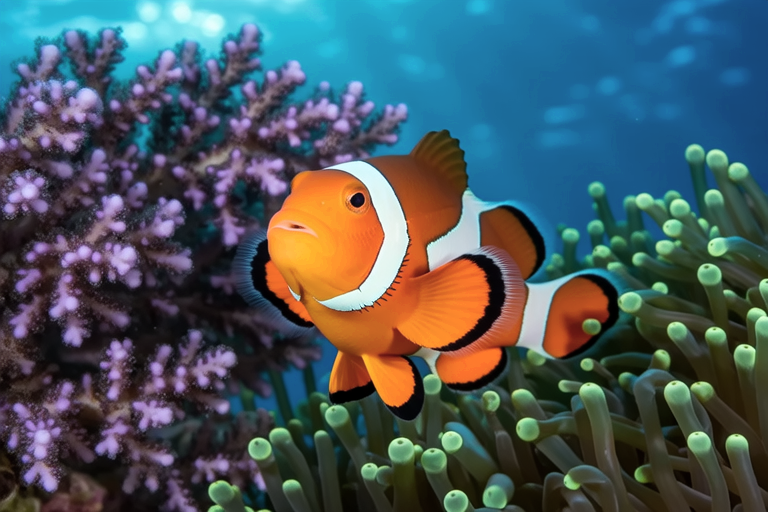
How to Create an Ideal Habitat for Happy and Healthy Clownfish at Home
Clownfish, also known as Anemonefish, are one of the most popular saltwater aquarium fish due to their vibrant colors and fascinating behavior. Their unique relationship with sea anemones has made them a favorite subject in marine biology and aquaria alike. Creating an ideal habitat for clownfish requires careful consideration of several key factors, including tank size, water quality, filtration systems, lighting, temperature, decorations, and tank mates. This article will guide you through the essential elements needed to set up a thriving environment for your clownfish.
Tank Size
The minimum recommended tank size for a single pair of clownfish is approximately 30 gallons (114 liters). However, if you plan to keep more than one pair or include additional species, it’s advisable to have a larger tank. A bigger tank provides ample space for swimming and reduces stress caused by overcrowding. Additionally, larger tanks are easier to maintain regarding water quality and temperature stability.
Water Quality Parameters
Maintaining optimal water conditions is crucial for the health of your clownfish. Key parameters include:
- Salinity: Saltwater should be maintained between 1.020 and 1.025 specific gravity.
- pH: The pH level should be kept between 8.1 and 8.4.
- Temperature: Ideal temperature ranges from 76°F to 82°F (24°C to 28°C).
- Ammonia and Nitrite Levels: Both should be undetectable.
- Nitrate Levels: Keep nitrate levels below 20 ppm.
Regular testing of these parameters ensures that your clownfish thrive in their aquatic environment.
Filtration Systems
A high-quality filtration system is vital for maintaining clean and healthy water. It should effectively remove waste, excess food, and other particulates while promoting biological filtration. Considerations include mechanical, chemical, and biological filtration methods:
- Mechanical Filtration: Filters debris from the water.
- Chemical Filtration: Removes dissolved organic compounds.
- Biological Filtration: Supports beneficial bacteria that convert harmful ammonia into less toxic substances.
Proper filtration helps prevent disease outbreaks and keeps the water clear, enhancing the overall well-being of your clownfish.
Appropriate Lighting
Lighting plays a significant role in simulating natural day-night cycles, which helps regulate clownfish behavior. Use full-spectrum LED lights that mimic sunlight and provide at least 9-10 hours of light daily. Ensure adequate coverage across the entire tank surface to promote algae growth and support photosynthesis in live plants.
Suitable Temperature Range
Clownfish prefer stable temperatures within the range of 76°F to 82°F (24°C to 28°C). Maintaining consistent warmth prevents stress and supports metabolic functions. Utilize a reliable heater to achieve and sustain this temperature range.
Necessary Decorations and Hiding Spots
Providing ample hiding places mimics the natural environment of clownfish, making them feel secure. Suitable decorations include:
- Live Rock: Not only serves as decoration but also provides hiding spots and promotes biological filtration.
- Plastic Plants: Offer additional cover without risking harm from sharp edges.
- Clay Pots: Serve as both shelter and feeding areas.
- Driftwood: Adds aesthetic value and creates microhabitats.
These elements encourage natural behaviors like territorial displays and breeding activities.
Beneficial Plant Types
Introducing live plants can enhance the aesthetics and functionality of your tank. Some beneficial plant species include:
- Green Hair Algae: Provides grazing opportunities for herbivorous fish.
- Java Fern: Tolerates various water conditions and adds greenery.
- Christmas Moss: Creates lush carpets at the bottom of the tank.
Ensure compatibility with other inhabitants before adding new plants.
Ideal Tank Mates
Selecting compatible tank mates is critical for creating a harmonious community. Suitable companions include:
- Bicolor Blennies: Peaceful bottom-dwellers.
- Gobies: Small, peaceful fish.
- Purple Firefish: Active swimmers that won’t compete aggressively.
Avoid introducing aggressive or highly territorial species that might bully clownfish.
Regular Maintenance Tips
To ensure longevity and vitality, perform routine maintenance tasks:
- Water Changes: Perform partial water changes every two weeks to maintain water quality.
- Cleaning Equipment: Regularly clean filters, heaters, and other equipment.
- Observation: Monitor fish behavior and appearance for any signs of distress.
Consistent upkeep contributes to a healthy ecosystem.
Diet and Feeding Schedules
Clownfish are omnivores and require a balanced diet consisting of both plant matter and protein. Feed them a variety of foods, including:
- Flake Food: High-quality flakes formulated for marine fish.
- Frozen Foods: Brine shrimp, mysis shrimp, and other frozen options.
- Algae Wafers: Provide necessary nutrients.
Feed small amounts multiple times per day rather than large meals once a day. Overfeeding can lead to poor water quality.
Signs of a Healthy Clownfish
A healthy clownfish exhibits certain characteristics:
- Vibrant Colors: Bright hues indicate good health.
- Active Behavior: Normal swimming patterns and interactions.
- Clear Eyes: No cloudiness or discharge.
- Healthy Appetite: Consistently eating provided food.
Monitoring these indicators allows early detection of potential issues.
Common Mistakes to Avoid When Setting Up Their Habitat
Avoiding common pitfalls ensures a successful setup:
- Overcrowding: Excessive numbers increase competition for resources.
- Inadequate Filtration: Poor filtration leads to poor water quality.
- Incorrect Lighting: Insufficient or incorrect lighting disrupts natural behaviors.
- Improper Temperature: Fluctuating temperatures cause stress.
- Unsuitable Tank Mates: Aggressive or incompatible species can harm clownfish.
By avoiding these mistakes, you create a nurturing environment conducive to long-term success.
Creating an ideal habitat for happy and healthy clownfish involves attention to detail and commitment to providing optimal living conditions. With proper planning and care, your clownfish will thrive in their aquatic home, bringing joy and fascination to your aquarium.
