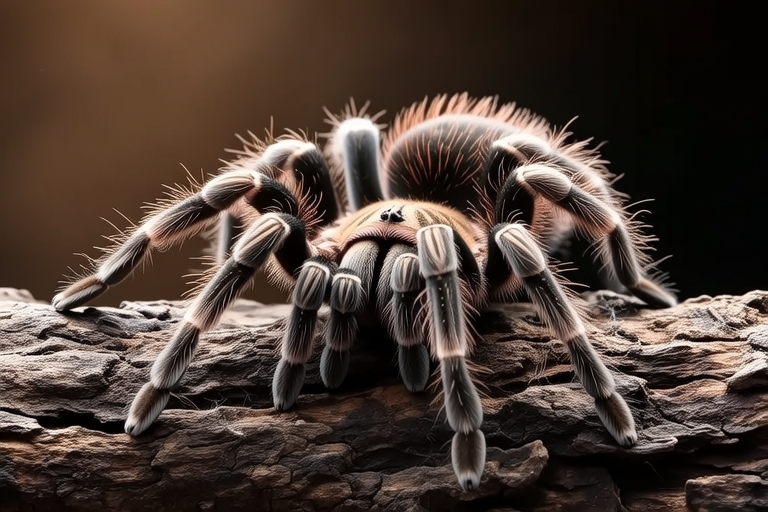
Adventures in Arachnids: Caring for Your Unique Tarantula Pet
Welcome to the fascinating world of tarantulas! These captivating creatures have long intrigued animal lovers with their unique appearance, gentle demeanor, and low-maintenance lifestyle. Unlike many other pets, tarantulas offer a serene and educational experience, making them ideal for those seeking a less conventional companion. Their diverse array of species, each with its own distinct characteristics, ensures that there’s a tarantula out there for every enthusiast. This guide will take you through the ins and outs of tarantula ownership, from selecting the perfect species to ensuring your pet enjoys a long and healthy life.
Selecting the Right Species
The first step in becoming a successful tarantula owner is choosing the right species. With over 900 known species, the options are vast, ranging from small, docile species to larger, more aggressive ones. Beginners often prefer species like the Chilean Rose or the Mexican Redknee, which are relatively easy to care for and handle. More experienced owners might opt for species like the Goliath Birdeater or the Pinktoe, which are more challenging but equally rewarding. Research thoroughly to find a species that suits your lifestyle and level of expertise.
Setting Up the Perfect Habitat
Creating a comfortable environment is crucial for your tarantula’s well-being. A typical enclosure for a tarantula should be at least three times the length of the spider. For example, if your tarantula is 6 inches long, the enclosure should be at least 18 inches long. The substrate can be coconut fiber, peat moss, or a mixture of both, providing a natural and absorbent base. Ensure proper ventilation by using screen covers or mesh tops. Temperature and humidity levels vary by species, so research the specific requirements for your chosen tarantula. Most species thrive between 75°F and 85°F and require humidity levels between 60% and 80%. Use a hygrometer and thermometer to monitor these conditions accurately.
Dietary Needs
Tarantulas are carnivorous and require a diet rich in protein. Feed them appropriately sized prey items such as crickets, mealworms, and dubia roaches. The size of the prey should be no larger than half the width of the tarantula’s abdomen. Young tarantulas may need to eat several times a week, while adults typically feed once a week. Gut-loading the prey with nutrient-rich food before offering it to your tarantula ensures they receive all necessary vitamins and minerals. Always remove uneaten prey after a few hours to prevent stress or injury to your pet.
Handling Techniques
While tarantulas are generally docile, handling should be done with care and respect. Always wash your hands before and after handling to avoid transferring oils or residues that could stress your tarantula. Approach the enclosure gently, allowing your pet to acclimate to your presence. Use a soft, wide-mouthed container or a tarantula hook to gently coax your tarantula onto your hand. Support the spider’s entire body, especially the abdomen, to prevent injury. Avoid sudden movements and loud noises that might startle your pet. Regular, gentle handling can help build trust and make future interactions easier.
Health Care Tips
Maintaining your tarantula’s health requires vigilance and attention to detail. Regularly check for signs of molting, which includes changes in behavior, appetite, and activity levels. During this time, provide a humid environment and avoid disturbing your pet. Monitor for any unusual behaviors, such as lethargy, loss of appetite, or abnormal leg movements, which could indicate illness. Common health issues include mites, fungal infections, and improper shedding. Consult a veterinarian specializing in exotic animals if you suspect your tarantula is unwell. Proper hygiene, including regular cleaning of the enclosure and substrate, also helps prevent disease.
Common Myths About Tarantulas
There are many misconceptions surrounding tarantulas that can deter potential owners. One of the most prevalent myths is that tarantulas are aggressive and dangerous. In reality, most species are quite docile and pose little threat to humans. Another myth is that tarantulas require constant feeding. In fact, overfeeding can lead to obesity and health problems. Lastly, some believe that tarantulas require minimal care, but like any pet, they need attention to their specific environmental and dietary needs. Educating yourself about these myths can help dispel fears and foster a better understanding of tarantulas.
Ensuring a Long and Healthy Life
To ensure your tarantula enjoys a long and healthy life, follow these essential tips. Provide a stable environment with appropriate temperature, humidity, and lighting. Maintain a balanced diet and offer fresh water regularly. Regularly clean the enclosure to prevent the buildup of harmful bacteria and parasites. Handle your tarantula gently and consistently to build trust. Finally, be observant and proactive about your pet’s health, addressing any issues promptly. By following these guidelines, you’ll provide your tarantula with the best possible care and enjoy a rewarding relationship with your unique arachnid companion.
Caring for a tarantula can be an enriching and fulfilling experience. With the right knowledge and dedication, you can ensure your pet thrives in its new home. Whether you’re a seasoned arachnid enthusiast or a curious beginner, there’s always something new to learn about these remarkable creatures. Embrace the adventure of tarantula ownership and enjoy the companionship of one of nature’s most intriguing animals.
