From Shell to Shelter: The Ultimate Guide to Hermit Crab Care
Welcome to the fascinating world of hermit crabs! These unique creatures offer a rewarding experience for pet owners, combining the charm of an exotic pet with the ease of care. Whether you’re a beginner or an experienced owner, this guide will provide you with all the information you need to ensure your hermit crabs thrive in their new home.
Hermit Crab Anatomy
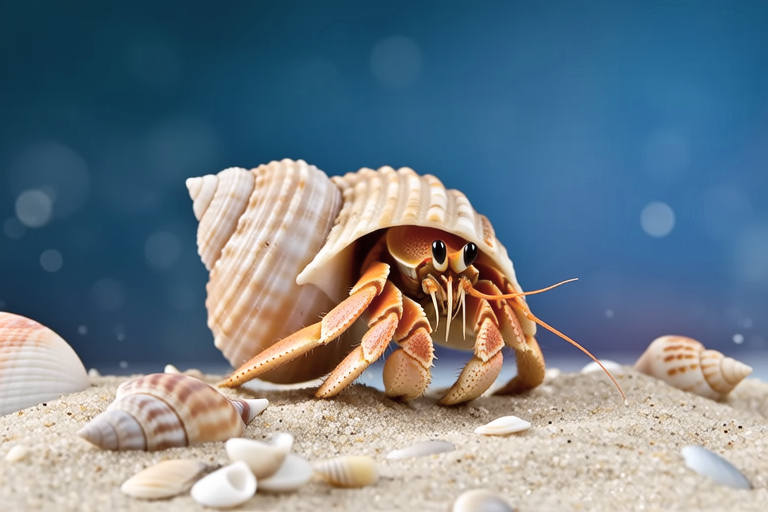
Understanding the anatomy of hermit crabs is crucial for providing them with the best care possible. Hermit crabs have a soft, vulnerable abdomen that they protect by living inside discarded shells of sea snails. They have ten legs, with the front two used for walking and the others for holding onto their shell. Their antennae help them navigate and sense their surroundings, while their eyes are located at the ends of long stalks, allowing them to see above the shell’s opening. Their claws can be quite powerful, and they use them for defense, feeding, and climbing.
Habitat Setup
Mimicking a hermit crab’s natural environment is essential for their health and happiness. Start by selecting an appropriate tank size; a 10-gallon aquarium is suitable for up to five medium-sized hermit crabs. Ensure the tank has a secure lid, as these curious creatures are adept climbers.
- Substrate: Provide a deep layer of sand or coconut fiber bedding, which allows your crabs to burrow and helps maintain humidity levels.
- Water Dish: Offer both fresh and saltwater dishes. Hermit crabs require access to both types for drinking and shell cleaning.
- Climbing Structures: Incorporate branches, rocks, and driftwood to create a stimulating environment. This encourages exercise and exploration.
Diet and Feeding
Hermit crabs are omnivores, meaning they eat both plant and animal matter. A balanced diet promotes healthy growth and behavior. Feed a variety of foods, including fruits, vegetables, and protein sources like fish flakes or mealworms. Avoid overly salty or sugary treats, as these can be harmful. Place food in shallow dishes within the enclosure, ensuring it’s easily accessible.
Temperature and Humidity Requirements
Maintaining the right temperature and humidity levels is critical for hermit crab health. Keep the tank temperature between 75°F and 85°F (24°C and 29°C) using under-tank heating pads or heat lamps. Aim for humidity levels around 70-80%. Use a hygrometer to monitor humidity and adjust as necessary. Mist the substrate daily to help maintain moisture.
Handling Tips
While hermit crabs can be handled gently, always wash your hands before and after interaction to avoid transferring oils or chemicals. Gently scoop them from the substrate, supporting their body and shell. Be mindful of their sensitive antennae and claws. Never remove a crab from its shell unless necessary, as this can cause stress.
Common Health Issues
Despite proper care, hermit crabs may encounter health problems. Common issues include molting complications, where the crab sheds its exoskeleton and grows a new one. During this time, ensure the humidity remains high and avoid disturbing the crab. Monitor for signs of illness such as lethargy, loss of appetite, or abnormal gill coloration. Consult a veterinarian specializing in exotic pets if you suspect any issues.
Shell Changing Behaviors
One of the most intriguing aspects of hermit crab care is observing their shell-changing behavior. Hermit crabs regularly seek out new shells as they grow or when they find one more appealing. Provide a variety of shells in different sizes and shapes to accommodate their needs. Encourage shell swapping by offering new options periodically.
In conclusion, hermit crabs are delightful pets that bring joy and fascination to their owners. By understanding their unique needs and creating a nurturing environment, you can ensure your hermit crabs lead happy, healthy lives. Remember, the key to successful hermit crab care lies in replicating their natural habitat and providing consistent, attentive care. Happy crab keeping!
