How Siamese Cats Conquered Our Hearts with Their Unique Charm
Siamese cats have long been adored by cat enthusiasts around the world. With their striking blue almond-shaped eyes, sleek coats, and unmistakable vocal presence, these felines have managed to captivate the hearts of many. This article delves into the unique charm of Siamese cats, exploring their distinctive physical traits, vocal and social behaviors, historical context, and the emotional bonds they form with their human companions.
The Distinctive Physical Traits of Siamese Cats
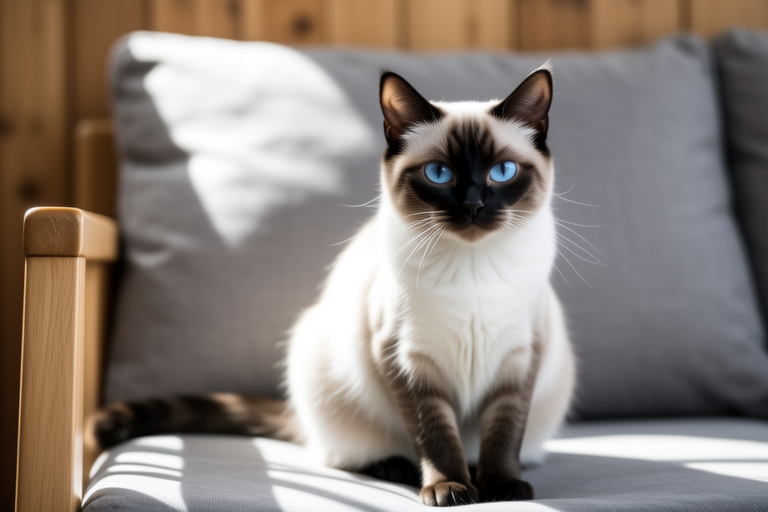
Siamese cats are known for their distinct physical characteristics that set them apart from other breeds. They possess a lean, muscular body with a wedge-shaped head and large ears that give them an alert appearance. Their coat is short and fine, with a color-point pattern where the extremities—such as the face, paws, and tail—are darker than the rest of the body. The most common colors are seal point, blue point, chocolate point, and lilac point.
One of the most striking features of Siamese cats is their piercing blue eyes. These almond-shaped eyes not only enhance their exotic appearance but also make them appear more expressive and intelligent. Their sleek, athletic build combined with their elegant posture adds to their graceful demeanor.
Vocal and Social Behaviors
Siamese cats are renowned for their vocal nature. They are often described as being very talkative, with a range of meows that can vary in pitch and volume. Some owners report that their Siamese cats engage in “conversations” with them, mimicking sounds and responding to their voices. This vocal behavior is not just a way for them to communicate; it’s also a means of seeking attention and expressing their emotions.
Aside from their vocal prowess, Siamese cats are incredibly social creatures. They thrive on interaction and companionship, often forming strong bonds with their owners. Many Siamese cats enjoy being involved in daily activities, whether it’s lounging on the couch, following their owners from room to room, or even participating in playtime. Their loyalty and affectionate nature make them ideal companions for those who appreciate a close relationship with their pets.
Historical Context
The history of Siamese cats dates back several centuries to Thailand, formerly known as Siam. These cats were highly revered and often kept in royal palaces, believed to bring good fortune and protect the inhabitants. It wasn’t until the late 19th century that Siamese cats made their way to Europe and North America, where they quickly gained popularity.
The first Siamese cats were introduced to England in 1871 when a Thai ambassador gifted a pair to the British Consul-General in Bangkok. The cats caused quite a stir at the Crystal Palace Cat Show in London, drawing attention to their unique appearance and personality. From there, Siamese cats began to spread across Europe and eventually to the United States, where they became one of the most popular cat breeds.
The Emotional Bond Between Humans and Siamese Cats
The deep emotional connection that forms between Siamese cats and their owners is one of the reasons why they are so beloved. Many owners share stories of their Siamese cats’ unwavering loyalty and affection. For instance, Sarah, a devoted cat owner, recounts how her Siamese cat, Luna, always knows when she’s feeling down and will curl up beside her for comfort.
Another owner, Mark, speaks fondly of his Siamese cat, Max, who has a habit of greeting him at the door every morning with enthusiastic meows and headbutts. This kind of devotion and companionship is typical of Siamese cats, making them cherished members of many households.
Common Health Issues and Care Tips
While Siamese cats are generally healthy, they are prone to certain genetic health issues. One common condition is cross-eye, also known as strabismus, which can affect their vision. Another concern is dental problems, including periodontal disease and tooth resorption. Regular dental check-ups and proper oral hygiene are essential to maintaining their overall health.
Siamese cats also have a higher risk of developing certain hereditary diseases, such as amyloidosis, a condition where proteins accumulate in organs, particularly the liver. Genetic testing and early intervention can help manage these conditions. Additionally, providing a balanced diet, regular exercise, and routine veterinary care are crucial for keeping your Siamese cat healthy and happy.
Care Tips Specific to Siamese Cats
To ensure your Siamese cat leads a healthy and fulfilling life, it’s important to provide them with the right environment and care. Siamese cats require plenty of mental stimulation and physical activity. Interactive toys, climbing structures, and puzzle feeders can help keep them engaged and prevent boredom. Regular grooming is also necessary, as their short coats still require brushing to remove loose hair and distribute natural oils.
Socialization is another key aspect of caring for Siamese cats. Introducing them to different people, environments, and other animals from a young age helps them develop into well-adjusted and confident adults. Providing opportunities for social interaction and playtime can also help strengthen the bond between you and your cat.
Conclusion
Siamese cats have undoubtedly conquered our hearts with their unique charm. Their distinctive physical traits, vocal and social behaviors, and rich historical background make them fascinating companions. By understanding their needs and providing proper care, we can ensure that these beautiful creatures continue to bring joy and companionship to our lives. Whether you’re a seasoned cat owner or considering adopting your first Siamese cat, their undeniable allure is sure to win you over.
