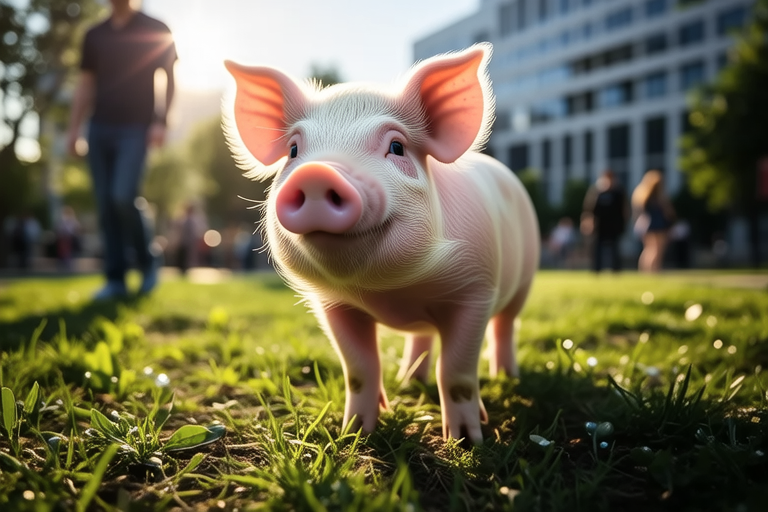
Mini Pigs in the City: Can They Really Thrive?
In recent years, mini pigs have gained popularity as urban pets. Their compact size and charming demeanor make them appealing companions for city dwellers. However, the suitability of mini pigs as urban pets is a topic of debate among animal lovers. This article explores whether mini pigs can truly thrive in city environments by examining their physical characteristics, behavioral traits, dietary needs, space requirements, and legal considerations.
The Physical Characteristics of Mini Pigs
Mini pigs are known for their small size, typically weighing between 50 to 70 pounds, making them suitable for apartment living. Despite their petite stature, they require regular exercise and mental stimulation to maintain their health. Their short snouts and sharp teeth enable them to root and forage, behaviors that need to be managed in urban settings.
Behavioral Traits of Mini Pigs
Mini pigs are intelligent, social animals with distinct personalities. They form strong bonds with their owners and can learn simple commands and tricks. However, their natural instincts to explore and investigate their surroundings can lead to mischief if not properly trained. Training and socialization are crucial for ensuring a harmonious relationship between mini pigs and their human companions.
Dietary Needs of Mini Pigs
Mini pigs have specific dietary requirements to maintain their health. A balanced diet includes high-quality pig pellets, fresh vegetables, fruits, and limited amounts of grains. Owners must monitor their pigs’ weight and adjust feeding schedules accordingly to prevent obesity, which can lead to health issues. Providing a variety of foods and maintaining a consistent feeding schedule helps satisfy their nutritional needs while keeping them engaged.
Space Requirements for Mini Pigs
Mini pigs require ample space to move around and express natural behaviors. In urban settings, providing a secure outdoor area is essential for their well-being. The space should be large enough to allow for digging, rooting, and playing. Additionally, indoor living spaces should offer comfortable bedding and hiding spots to promote relaxation and security. Ensuring adequate space and enrichment activities is vital for mini pigs’ happiness and health.
Legal Considerations for Mini Pigs in Urban Areas
Potential owners must research local regulations regarding miniature pig ownership. Some cities have strict laws governing the keeping of pigs as pets, including restrictions on size, breed, and necessary permits. Familiarizing oneself with these regulations is crucial before bringing a mini pig into the home. Compliance with local laws ensures a smooth and lawful pet ownership experience.
Common Challenges Faced by City-Dwelling Owners
City-dwelling owners often encounter unique challenges when raising mini pigs. Limited outdoor space can hinder opportunities for exercise and exploration. Noise complaints may arise due to the pigs’ vocalizations, especially during play or when seeking attention. Addressing these challenges requires creativity and adaptability. Implementing solutions such as creating indoor play areas and training pigs to use indoor litter boxes can mitigate some of these issues.
Tips for Ensuring the Well-Being of Mini Pigs in Urban Settings
To ensure the well-being of mini pigs in urban environments, consider the following tips:
- Provide regular exercise and mental stimulation through interactive toys and games.
- Create a safe and enriching environment indoors and outdoors.
- Establish routines for feeding, playtime, and rest to promote stability and predictability.
- Seek guidance from veterinarians specializing in exotic pets for healthcare advice.
- Engage in community support groups for additional resources and encouragement.
Lifestyle Comparison: Mini Pigs in Cities vs. Rural Areas
The lifestyle of mini pigs in cities differs significantly from those in rural areas. Rural settings offer more extensive outdoor spaces and opportunities for natural behaviors, whereas urban environments necessitate creative solutions for exercise and enrichment. Despite these differences, many city-dwelling owners report successful and fulfilling relationships with their mini pigs. Comparing the two lifestyles provides valuable insights into the adaptability and resilience of these animals.
Insights from Experts and Owners’ Experiences
Experts and experienced owners share valuable insights into the care and management of mini pigs in urban settings. Veterinarian Dr. Sarah Johnson emphasizes the importance of proper nutrition and regular veterinary check-ups. Owner Mark Thompson highlights the significance of training and socialization in fostering positive behavior. These perspectives underscore the commitment and dedication required for successful mini pig ownership in city environments.
In conclusion, mini pigs can indeed thrive in city environments with proper care, training, and adaptation. Understanding their physical characteristics, behavioral traits, dietary needs, space requirements, and legal considerations is crucial for prospective owners. By addressing common challenges and implementing tips for their well-being, city-dwelling owners can enjoy a rewarding and fulfilling relationship with their mini pigs. Whether in cities or rural areas, these intelligent and social animals bring joy and companionship to their human families.
