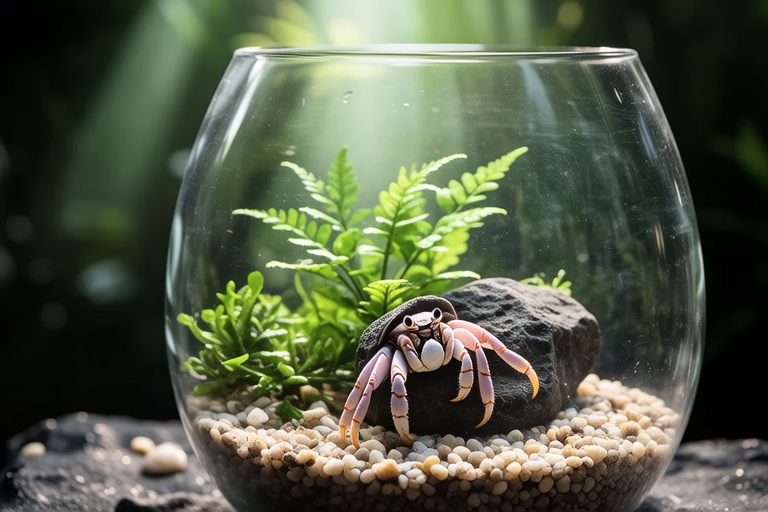
Setting Up the Perfect Habitat for Hermit Crabs
Hermit crabs are fascinating creatures that make wonderful pets. However, they have specific needs to thrive in captivity. Creating a suitable habitat is crucial for their happiness and longevity. This guide will help you set up the perfect home for your hermit crabs by covering essential elements such as appropriate substrate, temperature and humidity requirements, adequate space, hiding spots, climbing structures, water dishes, and dietary supplements. We’ll also provide tips for maintaining a clean environment and conducting regular health checks.
Understanding Hermit Crab Behavior and Needs
Before setting up their habitat, it’s important to understand hermit crab behavior and needs. These social creatures are nocturnal, meaning they’re most active at night. They require a safe and comfortable environment where they can feel secure. Hermit crabs are also very curious and enjoy exploring their surroundings. Providing them with plenty of space and interesting objects to interact with will keep them happy and engaged.
Hermit crabs are known for their unique shell-swapping behavior. They periodically outgrow their shells and need to find new ones. Therefore, it’s essential to provide a variety of shells in different sizes within their habitat. This allows them to choose the perfect fit when they molt or simply want to change their shell.
Choosing the Right Enclosure
The enclosure you choose for your hermit crabs should be spacious enough to accommodate their active lifestyle. A general rule of thumb is to provide at least 10 gallons of space per hermit crab. However, if you plan to house multiple hermit crabs together, a larger tank is recommended. A 20-gallon tank can comfortably house 4-6 hermit crabs, while a 30-gallon tank can house 6-8 hermit crabs.
When selecting an enclosure, opt for one with a secure lid to prevent escapes. Hermit crabs are skilled climbers and can easily scale smooth surfaces. Additionally, ensure the enclosure has proper ventilation to maintain optimal air circulation.
Providing Appropriate Substrate
The substrate, or bedding material, is an essential component of your hermit crab’s habitat. It provides a natural environment for them to burrow and hide, as well as a place to absorb excess moisture. There are several options available for hermit crab substrate:
- Coco coir: This is the preferred substrate for hermit crabs. It retains moisture well and mimics their natural sandy environment. Ensure the coco coir is damp but not overly wet, as this can lead to mold growth.
- Play sand: Another popular choice, play sand is fine-grained and resembles beach sand. It’s important to use silica-free play sand to avoid respiratory issues in your hermit crabs.
- Aquarium gravel: While less commonly used, aquarium gravel can be an option. However, it’s important to choose smooth, rounded gravel to prevent injury to your hermit crabs.
Regardless of the substrate you choose, it’s crucial to maintain the correct moisture level. The substrate should be damp but not soggy. You can achieve this by misting the substrate daily or adding a small dish of water to the enclosure. This will allow the hermit crabs to regulate their own hydration levels.
Maintaining Optimal Temperature and Humidity
Hermit crabs are tropical creatures and require a warm and humid environment to thrive. The ideal temperature range for hermit crabs is between 75°F and 85°F (24°C and 29°C). To maintain this temperature, you can use a heat mat or under-tank heater placed on one side of the enclosure. This creates a temperature gradient, allowing your hermit crabs to move between warmer and cooler areas as needed.
Humidity is equally important for hermit crabs, as they require a moist environment to breathe through their gills. The optimal humidity range for hermit crabs is between 70% and 80%. To achieve this, you can use a hygrometer to monitor the humidity levels and adjust accordingly. Misting the substrate regularly, providing a shallow water dish, and using a fogger or humidifier can help maintain the desired humidity levels.
Creating Hiding Spots and Climbing Structures
Hiding spots are essential for hermit crabs to feel secure and protected. They provide a place for them to retreat when they need privacy or rest. You can create hiding spots using items such as cork bark, coconut huts, or plastic caves. Ensure these hiding spots are large enough for your hermit crabs to fit inside comfortably.
In addition to hiding spots, hermit crabs love to climb and explore. Providing climbing structures will encourage natural behaviors and mental stimulation. You can create climbing structures using driftwood, branches, or commercially available hermit crab toys. Make sure the structures are securely anchored to prevent tipping or collapsing.
Water Dishes
Hermit crabs require access to both fresh and saltwater. Freshwater is necessary for drinking, while saltwater is essential for shell maintenance and molting. It’s important to provide separate dishes for each type of water. Use dechlorinated or distilled water for the freshwater dish, and prepare the saltwater using marine-grade aquarium salt and dechlorinated water.
The saltwater dish should be shallow, allowing the hermit crabs to fully submerge themselves. Change the water in both dishes regularly to prevent bacterial growth and maintain cleanliness.
Dietary Supplements
Hermit crabs are omnivores and require a balanced diet to stay healthy. In addition to their primary diet of commercial hermit crab food, you can supplement their diet with various fruits, vegetables, and proteins. Some recommended foods include carrots, apples, bananas, spinach, and cooked shrimp. Avoid feeding them citrus fruits, as the acidity can harm their delicate exoskeletons.
To ensure your hermit crabs receive all the necessary nutrients, you can also offer calcium and vitamin supplements. Crushed eggshells or cuttlebone can serve as a calcium source, while multivitamin powders formulated for hermit crabs can provide additional vitamins and minerals.
Maintaining a Clean Environment
Keeping the enclosure clean is crucial for your hermit crabs’ health and well-being. Regular cleaning helps prevent the buildup of harmful bacteria and ensures a pleasant living environment. Here are some tips for maintaining a clean habitat:
- Spot clean: Remove any uneaten food, shed exoskeletons, or waste daily to prevent contamination.
- Deep clean: Every few weeks, remove the hermit crabs from the enclosure and thoroughly clean the substrate and accessories. Replace the substrate if it becomes too dirty or moldy.
- Sanitize: Use a reptile-safe disinfectant to sanitize the enclosure and accessories. Rinse thoroughly and allow everything to dry completely before replacing the hermit crabs.
- Monitor hygiene: Pay attention to any signs of illness or distress in your hermit crabs. If you notice any unusual behavior, consult a veterinarian specializing in exotic animals.
Conducting Regular Health Checks
Regular health checks are essential for ensuring your hermit crabs remain healthy and happy. During these checks, observe their behavior, appearance, and overall condition. Look for any signs of illness, such as lethargy, loss of appetite, or abnormal movements. Check their shells for cracks or damage, and ensure they have access to suitable shells for molting.
If you notice any concerning symptoms, it’s best to consult a veterinarian who specializes in exotic animals. Early intervention can prevent more serious health issues and improve the chances of successful treatment.
Conclusion
Creating the perfect habitat for your hermit crabs requires careful consideration of their specific needs and behaviors. By providing the right enclosure, substrate, temperature, humidity, hiding spots, climbing structures, water dishes, and dietary supplements, you can ensure a healthy and happy life for your pet hermit crabs. Regular cleaning and health checks will further contribute to their well-being. With the right care and attention, your hermit crabs will thrive in their new home.
