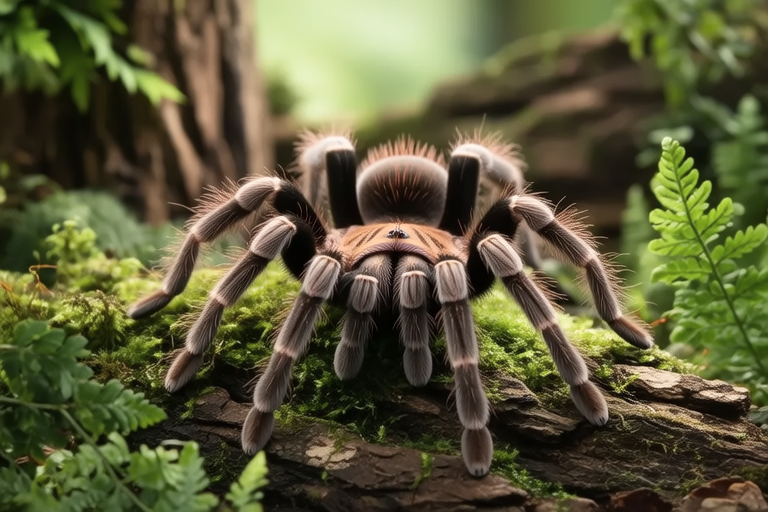
Tarantula Care Made Easy: A Complete Guide for New Owners
Welcome to your ultimate guide on tarantula care! Whether you’re a beginner or an experienced owner, this comprehensive resource will provide you with all the essential information you need to ensure your pet tarantula lives a long, healthy, and happy life. From housing and temperature control to feeding habits and handling tips, we’ve got you covered.
Understanding Tarantulas
Tarantulas belong to the family Theraphosidae and are among the largest spiders in the world. They are generally docile and can make fascinating pets. However, it’s crucial to understand their specific needs and behaviors before bringing one home. Tarantulas come in various species, each with unique characteristics, so research thoroughly about the species you’re interested in before making a purchase.
Housing Your Tarantula
Choosing the right enclosure for your tarantula is vital. The size of the enclosure should be proportional to the size of the spider. As a general rule, the floor space should be at least three times the length of the tarantula’s body. For example, a tarantula that measures 6 inches in length would require an enclosure that is at least 18 inches wide by 18 inches long.
The height of the enclosure should be around two-thirds of its width to provide enough vertical space for climbing. Glass aquariums, plastic containers, or custom-made enclosures are suitable options. Ensure that the enclosure has a secure lid with ventilation holes to prevent escapes and maintain proper airflow.
Substrate is another important consideration. Coconut fiber, bark chips, or peat moss are excellent choices as they retain moisture well and mimic the natural environment of many tarantula species. Avoid using cedar or pine shavings, as they can be harmful to your pet.
Temperature and Humidity Requirements
Temperature and humidity levels are critical factors in maintaining your tarantula’s health. Most tarantulas thrive in temperatures between 75°F and 85°F (24°C to 29°C). Use a digital thermometer to monitor these levels accurately. You can achieve the desired temperature by placing a heat mat under one side of the enclosure or using a low-wattage incandescent bulb outside the tank.
Humidity levels vary depending on the species. Some tarantulas prefer higher humidity, while others thrive in drier conditions. Research your specific tarantula’s requirements and aim to keep the humidity within the recommended range. Misting the substrate with water can help increase humidity, but avoid creating pools of standing water, which can lead to respiratory issues.
A hygrometer can be used to measure humidity levels, ensuring that they remain within the optimal range for your tarantula’s species.
Feeding Habits
Feeding your tarantula appropriately is key to its overall health. Insects such as crickets, mealworms, and dubia roaches are ideal food sources. The size of the prey should be appropriate for the tarantula; it should be no larger than half the diameter of the spider’s abdomen. Offer one or two prey items every week, depending on the age and size of your tarantula.
Vitamin and mineral supplements can be added to the prey’s diet to ensure your tarantula receives adequate nutrition. Dust the insects with a calcium powder containing vitamin D3 before feeding them to your tarantula.
Always remove uneaten prey after a day to prevent stress or injury to your tarantula.
Handling Tips
Handling your tarantula requires caution and patience. Tarantulas have urticating hairs on their abdomens that they can release when threatened. These hairs can cause irritation to human skin and eyes, so it’s essential to handle your tarantula carefully.
Use a tarantula hook or tongs to gently guide your tarantula out of its enclosure. Never grab or squeeze the spider, as this can cause stress and potential injury. Allow your tarantula to walk onto your hand if it feels comfortable doing so. If you notice any signs of distress, return the tarantula to its enclosure immediately.
Limit handling sessions to once or twice a week, allowing your tarantula time to rest and recover from the experience.
Health Concerns
Regular monitoring of your tarantula’s behavior and physical condition is crucial for early detection of health issues. Common signs of illness include lethargy, refusal to eat, abnormal posture, or changes in coloration. If you observe any of these symptoms, consult a veterinarian specializing in exotic animals.
Molting is a natural process where the tarantula sheds its exoskeleton. During this time, your tarantula may become reclusive and stop eating. Provide a humid hiding spot to aid the molting process. Avoid disturbing your tarantula during this vulnerable period. Once the molt is complete, ensure that the old exoskeleton is removed from the enclosure to prevent infection.
Common Myths About Tarantulas
There are several misconceptions about tarantulas that can deter potential owners. One prevalent myth is that tarantulas are highly aggressive and dangerous to humans. While tarantulas can bite if provoked, their venom is generally not potent enough to cause serious harm to humans. Another misconception is that tarantulas are social creatures that enjoy interaction with humans. In reality, tarantulas are solitary animals that prefer minimal handling.
It’s also commonly believed that tarantulas live short lives. In fact, many tarantula species can live for decades, with some females living up to 30 years or more.
Conclusion
Owning a tarantula can be a rewarding and educational experience. By understanding their specific needs and providing a suitable environment, you can ensure your pet tarantula thrives. Remember to conduct thorough research about your specific tarantula species, and always prioritize your pet’s health and well-being.
With the knowledge and tips provided in this guide, you’ll be well-equipped to care for your tarantula and enjoy a fulfilling relationship with this unique and fascinating creature.
