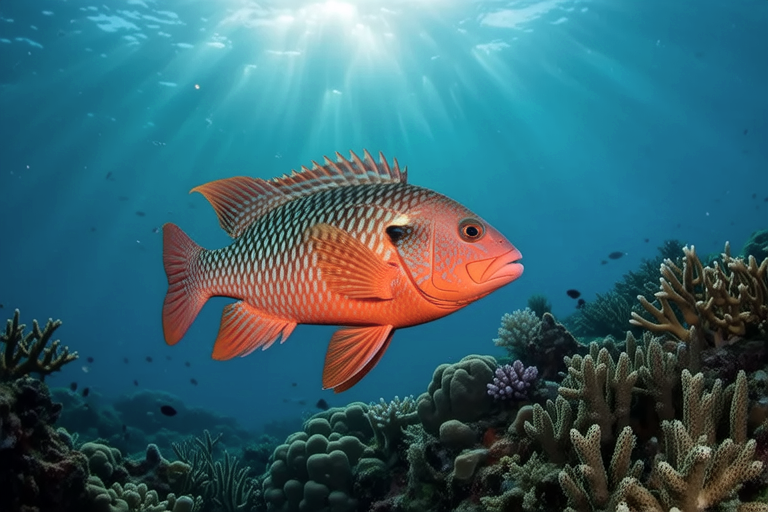
Parrot Fish: Nature’s Underwater Masters of Color
Imagine diving into a vibrant underwater world where every creature seems to be a living work of art. Among the most striking inhabitants of this colorful realm are the parrot fish. These marine marvels are not just beautiful; they play a crucial role in maintaining the health of coral reefs. Their vivid hues and unique characteristics make them stand out in the ocean’s complex ecosystem. This article delves into the fascinating world of parrot fish, exploring their habitats, diets, behaviors, and the vital role they play in coral reef ecosystems.
Habitat and Distribution
Parrot fish can be found in warm, tropical waters around the globe, primarily inhabiting coral reefs, seagrass beds, and rocky areas. They prefer shallow waters, typically staying within depths of 10 to 30 meters. The Western Atlantic, the Indo-Pacific, and the Red Sea are particularly rich in parrot fish species. Coral reefs provide an ideal environment for these fish, offering both shelter and abundant food sources. Parrot fish are highly adaptable and have evolved to thrive in diverse aquatic settings.
Diet and Digestion
The diet of parrot fish is quite unique. They are herbivores, primarily feeding on algae that grow on coral reefs and other hard surfaces. Using their strong, parrot-like beaks, they scrape algae off rocks and corals, which helps to keep the reefs clean and healthy. Interestingly, parrot fish also consume small amounts of coral polyps, which they grind up with their pharyngeal teeth before expelling the undigested calcium carbonate as sand. This process contributes significantly to the formation of beaches and atolls. Their diet is not only essential for their survival but also plays a critical role in the maintenance of the coral reef ecosystem.
Coloration and Camouflage
One of the most striking features of parrot fish is their extraordinary coloration. Their bodies are adorned with a dazzling array of colors, ranging from electric blues and greens to fiery reds and yellows. This vibrant palette serves multiple purposes. Firstly, it acts as a form of camouflage, helping them blend in with the colorful surroundings of coral reefs. Secondly, it plays a significant role in communication. Different colors and patterns can signal reproductive readiness, dominance, or territory boundaries. For instance, during mating season, male parrot fish often display brighter colors to attract females. Additionally, some species change color dramatically as they mature, with juveniles often having different markings than adults.
Behavior and Social Structure
Parrot fish exhibit a range of fascinating behaviors. They are generally diurnal, meaning they are active during the day and rest at night. Many species sleep in a state of deep relaxation by secreting a mucous cocoon, which may serve as a protective barrier against predators and parasites. Some parrot fish are solitary, while others form schools, especially when they are young. As they mature, they tend to become more territorial, defending specific areas of the reef. Mating rituals are elaborate, involving courtship dances and displays of bright colors. After spawning, males may guard the eggs until they hatch.
Role in Coral Reef Ecosystems
Parrot fish are integral to the health of coral reef ecosystems. By grazing on algae, they prevent overgrowth, which could otherwise smother corals and inhibit their growth. Their feeding habits help maintain the delicate balance between algae and coral, promoting the overall health of the reef. Moreover, their excretion of sand through digestion aids in the formation of sandy beaches and atolls. This process is so significant that it has been estimated that a single large parrot fish can produce up to 90 kilograms of sand annually. Thus, these fish not only contribute to the aesthetic beauty of coral reefs but also play a pivotal role in their ecological stability.
Threats and Conservation
Despite their importance, parrot fish face several threats. Overfishing, habitat destruction, and pollution are major concerns. In many parts of the world, parrot fish are highly valued for their meat and are caught in large numbers. Additionally, the degradation of coral reefs due to climate change and human activities reduces the available habitat for these fish. Conservation efforts are crucial to ensure the survival of parrot fish and the health of coral reef ecosystems. Establishing marine protected areas, promoting sustainable fishing practices, and raising awareness about the importance of these fish are key steps in safeguarding their future.
Conclusion
Parrot fish are truly nature’s underwater masters of color. Their vibrant hues and unique characteristics make them one of the most captivating creatures in the ocean. Beyond their aesthetic appeal, these fish play a vital role in maintaining the health of coral reefs, contributing to the balance of marine ecosystems. Understanding and appreciating the importance of parrot fish can inspire greater efforts towards conservation and the preservation of our oceans’ biodiversity. As we continue to explore and learn about these fascinating creatures, let us strive to protect their natural habitats and ensure their survival for generations to come.
